As an Amazon Associate, we earn from qualifying purchases. Some links on this site are affiliate links at no extra cost to you. Our recommendations are based on thorough research and editorial judgment.

When to Take Your Baby to the Hospital for a Fever

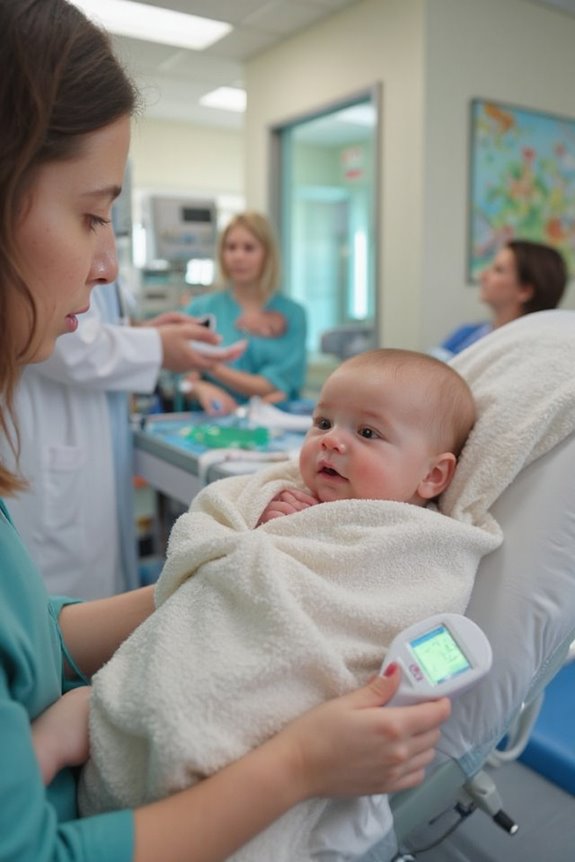
Take your baby to the hospital immediately if they’re under 3 months with a rectal temperature of 100.4°F (38°C) or higher. For babies 3+ months, seek emergency care for fevers above 104°F or when accompanied by difficulty breathing, extreme lethargy, seizures, purple rash spots, or a bulging soft spot. Age is critical—newborns (0-28 days) need immediate evaluation for any fever. The sections below explain important risk factors and evaluation processes you should understand.
Key Takeaways
- Any fever of 100.4°F (38°C) or higher in babies under 3 months requires immediate medical attention.
- Seek emergency care for fever with breathing difficulties, extreme lethargy, or seizures regardless of age.
- Purple rash spots that don’t blanch when pressed indicate a medical emergency with fever.
- Babies 0-28 days old with any fever should always go to the hospital immediately.
- Fever above 104°F in any child warrants prompt medical evaluation, even without other symptoms.
Understanding Fever Thresholds in Infants
You may be interested

Can Babies Get a 103 Fever From Teething?
July 2, 2025
Can Babies Get Strep Throat?
August 18, 2025
When your baby develops a fever, it’s critical to understand what temperature readings actually require medical attention. Not all fevers indicate serious illness, but knowing the key thresholds can guide your decision-making.
For babies under 3 months:
- Any rectal temperature of 100.4°F (38°C) or higher requires immediate medical evaluation
- Rectal temperatures are most accurate for this age group
For babies over 3 months:
- Low-grade fevers (100.4°F-102°F) often help fight infection and may not need treatment
- Average fevers (102°F-104°F) might need treatment if causing discomfort
- High fevers (above 104°F) always warrant treatment
Viral infections are the most common fever causes in infants. Watch for accompanying infant symptoms like irritability, poor feeding, or unusual lethargy. Remember that fever itself is typically not harmful but serves as an important warning sign.
Warning Signs That Require Immediate Medical Attention
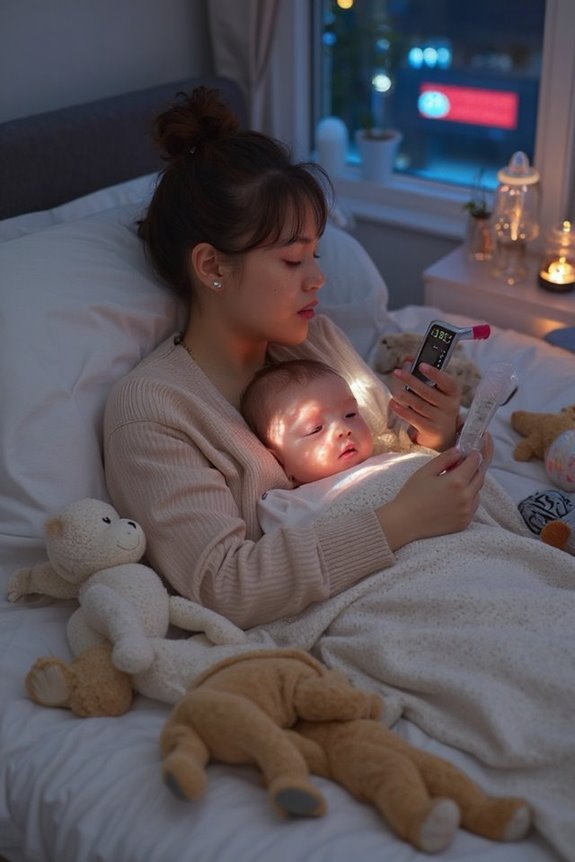
How can you tell if your baby’s fever needs emergency care? Despite common fever myths that cause parental anxiety, there are specific warning signs that indicate a true emergency:
- Breathing difficulties with fever, including rapid or labored breathing
- Extreme lethargy or difficulty waking your baby
- Seizures or convulsions (uncontrollable shaking)
- Purple rash spots that don’t turn white when pressed
- Bulging soft spot on your baby’s head
- Blue lips or tongue
Don’t wait if you notice:
- Stiff neck or severe headache (shown by increased crying)
- Significant dehydration (fewer wet diapers, dry mouth)
- Persistent, inconsolable crying
- Difficulty swallowing
Trust your instincts. When these warning signs accompany fever, seek immediate medical care rather than monitoring at home.
Recommended Products

Safe Thermometers for Adults and Babies: Boncare thermometer comes with a soft silicone tip and a reliable stainless - steel probe. It's designed for oral, rectal, or axillary use, making it suitable for infants, children, adults, and dogs. It offers great convenience and ensures safety for you and your family.
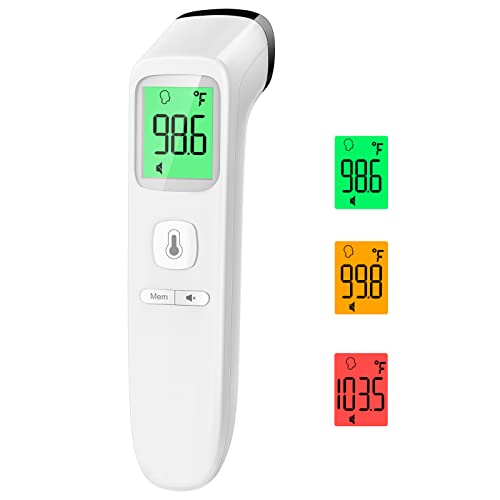
Reliable & Accurate: Goodbaby Forehead Thermometer has been clinically tested and found to be a fast and absolutely reliable gadget to use. It is ideal for forehead readings.

✨Swift Results in Just 1 Second: Experience the efficiency of ANMEATE thermometer for adults with its remarkable 1-second read capability. Obtain accurate temperature readings swiftly, providing you with timely and dependable results.
How Age Affects Fever Management
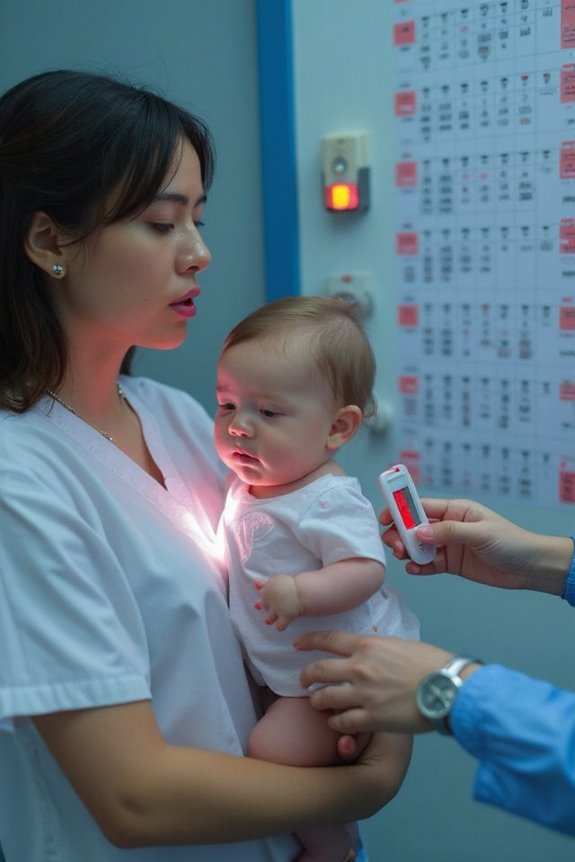
Your baby’s age is the most significant factor in determining how to handle a fever. The American Academy of Pediatrics provides age-specific guidelines that I follow when advising parents about infant fever.
For babies 0-28 days old:
- Any fever (100.4°F/38°C or higher) requires immediate emergency evaluation
- Blood, urine, and spinal fluid tests will likely be performed
For infants 29-90 days:
- Risk assessment is more nuanced
- Well-appearing babies might be managed differently than those who look sick
For babies 3-24 months:
- Clinical appearance becomes increasingly important
- Your doctor may use different criteria based on your child’s specific situation
Remember that fever management changes as your baby grows, with the youngest infants requiring the most cautious approach.
Recommended Products

Accurate, Safe & Quick: Boncare thermometers are equipped with the latest high - sensitivity advanced sensory probes, ensuring highly accurate results within just 9 seconds. This remarkable accuracy makes it a reliable choice for measuring the temperature of infants, children, adults, and the elderly.

Accurate reading in 30 seconds (°F/C)

PRECISION FOR PEACE OF MIND: Delivers accurate temperature readings in just 10 seconds, so you can quickly assess your baby's health at any time of day or night.
Risk Factors That Increase Concern for Bacterial Infections
While fever is common in infants, certain risk factors greatly increase the likelihood that your baby’s fever stems from a serious bacterial infection rather than a viral illness. I want you to know these warning signs.
Key infant risk factors include:
- Very low birth weight (increases risk 5.77 times)
- Male sex (increases risk 1.27 times)
- Breathing problems at birth
- Premature rupture of membranes (PROM)
- Poor responsiveness or difficulty waking
Laboratory markers that raise concern include:
- Elevated C-reactive protein (CRP) levels ≥1.87 mg/dL
- Abnormal platelet counts
- High fever (≥38.9°C) with elevated CRP
The presence of a petechial rash (tiny red spots) or delayed capillary refill also warrants immediate medical attention.
Recommended Products

【0-3 Years Old Child Mode】The Momcozy baby digital thermometer is equipped with a child mode specifically designed for infants aged 0-3 years. This mode ensures safe and accurate temperature measurements for your little baby, providing you with peace of mind during critical moments.It is also suitable for older kids and adults, making it a practical thermometer for the whole family.

ACCURATE FOR ALL AGES: Designed for infants, toddlers, and kids, this thermometer delivers reliable readings whether used rectally, orally, or under the arm, adapting as your child grows.

RAPID RESULTS: Obtain precise infrared temperature readings in just one second, ensuring quick and accurate assessment using the infrared thermometer.
What to Expect During Hospital Evaluation
Taking your baby to the hospital for a fever can be intimidating, but understanding the evaluation process will help ease your concerns. When you arrive, medical staff will quickly assess your baby’s condition.
The hospital procedures typically include:
- Recording essential signs (temperature, heart rate, breathing rate)
- Thorough physical examination
- Blood tests, including complete blood count and blood culture
- Urinalysis to check for urinary tract infections
- Possible chest X-ray if respiratory symptoms are present
- Lumbar puncture (spinal tap) for babies under 29 days old
Your baby will be continuously monitored during their stay. I’ll likely be asked about your baby’s symptoms, medical history, and recent exposures. The evaluation process may seem overwhelming, but each step helps determine the cause of your baby’s fever and the appropriate treatment.
Recommended Products
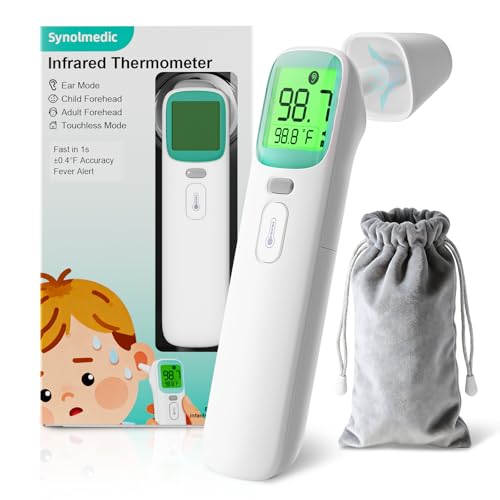
EASY TO USE: Synolmedic touchless infrared thermometer for adults and kids offers one-button measurement and a color-coded backlight to instantly show temperature status. The magnetic probe cover auto-switches between forehead and ear modes, and a quick-start guide makes use simple and hassle-free

1s FAST & & HIGH ACCURATE - femometer forehead thermometer is equipped with clinically proven high precision infrared sensor, the measurement result can be accurate to 0.1°F/℃, the accuracy is ±0.4°F/ ±0.2℃. Just press the "START" button 0.2 to 1.2 inches from the forehead to get the result in 1 second

Accurate reading in 8 seconds
Home Care vs. Hospital Care: Making the Right Decision
Once your baby has been evaluated, you’ll face an important decision: should they be treated at home or stay in the hospital?
Several factors help determine the right choice:
- Age matters: Infants under 21 days typically require hospital admission, while babies over 29 days with normal tests may qualify for home care.
- Risk assessment: The PECARN rule helps identify low-risk babies (negative urine analysis, ANC < 4,000, procalcitonin < 0.5).
- Clinical appearance: Well-appearing infants without risk factors may be monitored at home.
- Specific concerns: Babies with abnormal lab results, CSF pleocytosis, seizures, or neurological changes need hospital care.
Recommended Products

✅Fast & Accurate - Discover the precision of our forehead thermometer. Engineered to deliver highly accurate temperature measurements, our professional-grade device offers a user-friendly experience. With a non-contact design, it ensures hygienic usage and provides fast results within seconds. Suitable for all ages, it is a must-have for households and medical professionals alike. Rely on our brand's commitment to accuracy and obtain the peace of mind you deserve.
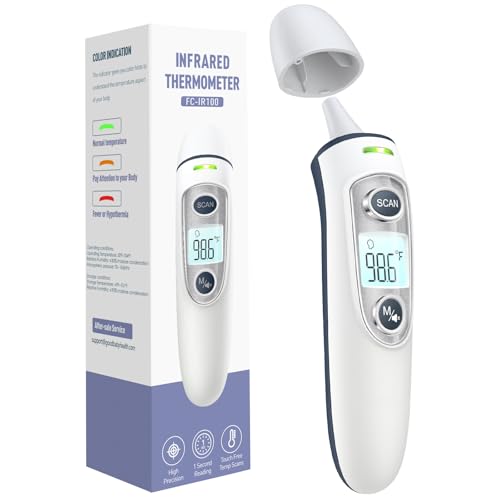
【FAST AND EASY TEMPERATURES READINGS】Taking your baby’s temperature with GoodBaby digital thermometer is as simple as pointing, and pressing a button. It uses infrared technology, and can show readings in Celsius or Fahrenheit.

A century of powerful relief: At Vicks, we believe everyone deserves a touch of care; you can rely on our line of digital thermometer for adults, kids and babies to provide quick, accurate results when you need them most
Frequently Asked Questions
How Long Will Antibiotics Be Needed if Bacterial Infection Is Found?
I’ll need a crystal ball to predict exactly! Antibiotic duration typically ranges from 5-14 days depending on your child’s infection symptoms, age, infection type, and severity. I’d follow your doctor’s specific instructions completely.
Can Teething Cause Fevers High Enough to Warrant Medical Evaluation?
No, I want to clarify that teething symptoms don’t cause high fevers. This is one of the common fever myths. True teething may cause slight temperature elevation, but never high enough for medical concern.
Should Siblings Be Kept Away From a Febrile Infant?
Yes, I’d recommend limiting sibling interactions with your febrile infant to reduce infection transmission. While complete separation is often impractical, focus on good handwashing and monitoring siblings for symptoms as part of infection prevention strategies.
Will Repeated Fever Evaluations Affect My Baby’s Development?
Like gentle waves, repeated fevers typically won’t erode your baby’s developmental shores. I’ve found that proper fever management is key—your child’s growth may feel temporary ripples, but rarely lasting developmental impact without underlying conditions.
How Soon After Hospital Discharge Should Follow-Up Appointments Occur?
I recommend follow-up appointments within 24-36 hours after discharge timing for most infants. Different follow-up types may apply based on your baby’s age, with 48-hour appointments sometimes appropriate for older infants.