As an Amazon Associate, we earn from qualifying purchases. Some links on this site are affiliate links at no extra cost to you. Our recommendations are based on thorough research and editorial judgment.

Safely Baby-Proofing Your Home: Essential Tips and Tricks

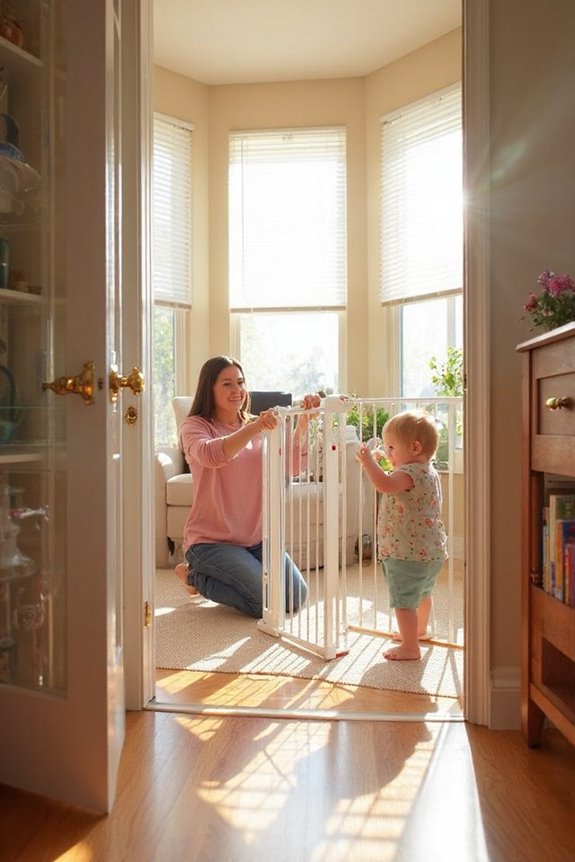
Baby-proofing your home requires a methodical approach to eliminate hazards. I recommend installing outlet covers, cabinet locks, and furniture anchors to prevent common accidents. Remove suffocation risks by keeping cribs free of soft bedding and toys. Set your water heater below 120°F to prevent burns, and replace corded window coverings with cordless versions. Create designated safe exploration zones using safety gates like the KS-350 model. The following room-by-room checklist will guide your thorough protection plan.
Key Takeaways
- Install safety gates (like Model KS-350) to block access to stairs and hazardous areas.
- Anchor furniture to walls to prevent tip-overs as babies learn to pull up and climb.
- Cover electrical outlets with protective caps to prevent shock hazards for curious fingers.
- Remove cords from window coverings and keep electrical cords out of reach to prevent strangulation.
- Secure cabinets containing cleaning supplies and medications with childproof locks to prevent poisoning.
Childproofing Room by Room: A Complete Safety Checklist
You may be interested
Are Baby Walkers Harmful for Infants?
August 15, 2025
How to Safely Sterilize Baby Bottles
August 5, 2025
When it comes to protecting your little one, a methodical approach to babyproofing each room guarantees you don’t overlook critical safety hazards. I’ve compiled essential safety measures to implement throughout your home:
In the nursery:
- Verify crib slats are no more than 2 3/8 inches apart
- Remove soft bedding that poses suffocation risks
- Keep electrical cords at least three feet from the crib
Kitchen hazards require immediate attention:
- Install outlet covers to prevent shock
- Secure cabinets containing cleaning supplies
- Use slip-resistant mats near wet areas
For bathrooms:
- Install toilet locks to prevent drowning risks
- Set water heater to 120°F maximum
Throughout the home:
- Mount safety gates at stairs
- Secure furniture to walls
- Install smoke and carbon monoxide detectors on each level
Recommended Products

✅ TESTED & TRUSTED BABY SAFETY GATE FOR OVER 30 YEARS: Parent-trusted baby safety product certified by the Baby Safety Alliance. Designed to support everyday baby proofing and help keep babies and toddlers safe at home.
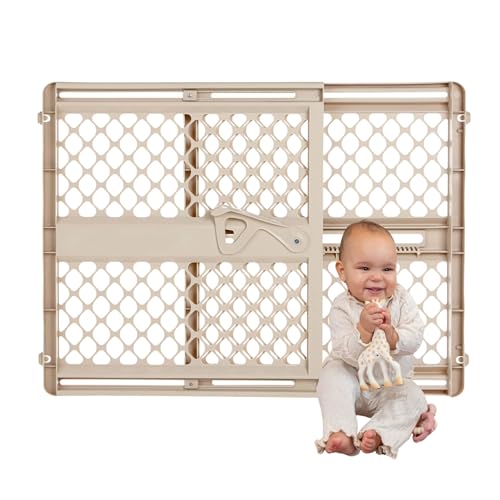
PROVIDES PEACE OF MIND - The kids gate creates a secure barrier to help prevent access to stairs, bathrooms, kitchens, and other off-limit areas, so your little one can safely explore.

✅TESTED & TRUSTED BABY SAFETY GATE FOR OVER 30 YEARS: Parent-trusted baby safety product certified by the Baby Safety Alliance. Designed to support everyday baby proofing and help keep babies and toddlers safe at home.
Preventing Common Household Hazards That Endanger Infants
Now that we’ve established a room-by-room approach, let’s focus on the specific hazards that pose the greatest risks to infants.
For ideal infant safety, address these critical household hazards:
- Suffocation risks: Remove all soft bedding, bumpers, and toys from cribs. Always place babies on their backs to sleep.
- Fall prevention: Anchor furniture to walls and install stair gates at both top and bottom of staircases.
- Burn hazards: Set water heater temperatures below 120°F and keep hot appliances out of reach.
- Choking dangers: Replace corded window coverings with cordless versions and eliminate small objects from infant areas.
- Poisoning prevention: Secure medications and cleaning products in locked cabinets, and clearly label all potentially harmful substances.
Regular inspection of these safety measures is essential to maintaining a secure environment for your baby.
Recommended Products

Wide Coverage, Flexible Setup: Secure openings up to 127.5″ wide with this fireplace baby proofing, designed to provide a reliable safety barrier for toddlers and pets in wider spaces. This baby gate for fireplace mounts firmly to straight or awkward angled walls and features a 16.5″ walk-through door that allows people to pass through comfortably without bending or stepping over

TESTED & TRUSTED BABY SAFETY GATE FOR OVER 30 YEARS: Parent-trusted baby safety product certified by the Baby Safety Alliance. Designed to support everyday baby proofing and safer spaces at home.

✅ MADE IN THE USA - Door Buddy’s adjustable baby proof door strap for pets is the original No Cut Cat Door for interior door that’s loved by thousands. Don’t struggle by baby proofing with a bulky baby gate with cat door or damage your doors with an expensive indoor cat door, use Door Buddy’s easy to install cat door strap for kids safety instead.
Essential Safety Products Every Parent Should Consider
Creating a safe environment for your baby requires investing in products specifically designed to mitigate household dangers. I recommend starting with these key safety gear categories:
Home Security Basics:
- Cabinet locks to prevent access to chemicals
- Corner protectors for sharp furniture edges
- Outlet covers to prevent electrical shock
- Furniture brackets to prevent tipping hazards
Kitchen Safety:
- High chairs with proper safety harnesses
- Heat-resistant oven guards
- Non-slip mats for wet areas
Monitoring Solutions:
- Video baby monitors for real-time surveillance
- Motion sensors for activity detection
Travel Protection:
- Car seats that meet current regulations
- Proper installation tools for secure mounting
Don’t forget stairway gates and window guards—these product recommendations address the most common household dangers while meeting essential safety standards.
Creating Safe Spaces While Encouraging Exploration
The balance between safety and exploration forms the foundation of effective baby-proofing. When I create a “yes environment” in my home, I’m enabling my child to discover their world within safe boundaries. This approach fosters independence while preventing accidents.
Key strategies include:
- Designate areas like bedrooms and living rooms as exploration zones after thorough childproofing
- Install safety gates (Model KS-350) to block hazardous areas like kitchens and stairs
- Regularly reassess safety measures as your child develops new skills
The exploration benefits are significant: children develop motor skills, spatial awareness, and confidence when they can move freely without constant redirection. Remember that supervision remains essential even in childproofed spaces, particularly around potential hazards like water or electrical outlets.
Recommended Products

Auto-Close for Everyday Safety: Designed with an auto-close feature, this baby gate closes behind you for added peace of mind and everyday safety. The wide walk-through opening and one-hand operation make it easier for adults to pass through while carrying a baby, laundry, or other essentials.
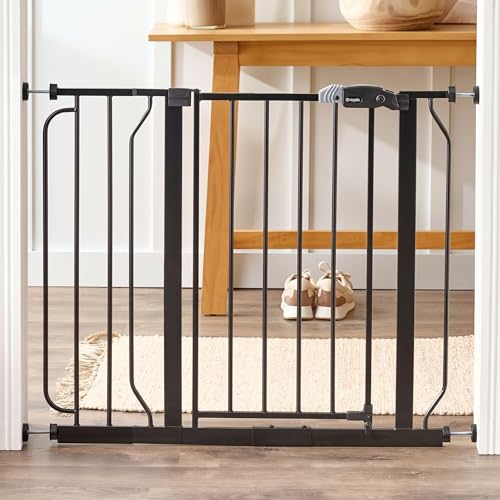
✅TESTED & TRUSTED BABY SAFETY GATE FOR OVER 30 YEARS – Parent-trusted safety gate certified by the Baby Safety Alliance.

CHILD AND PET FRIENDLY: This adjustable baby gate allows you to create multiple child-friendly or pet-friendly areas. To prevent falls, never use pressure-installed gate mode at the top of stairs.
Establishing Family Safety Protocols and Emergency Plans
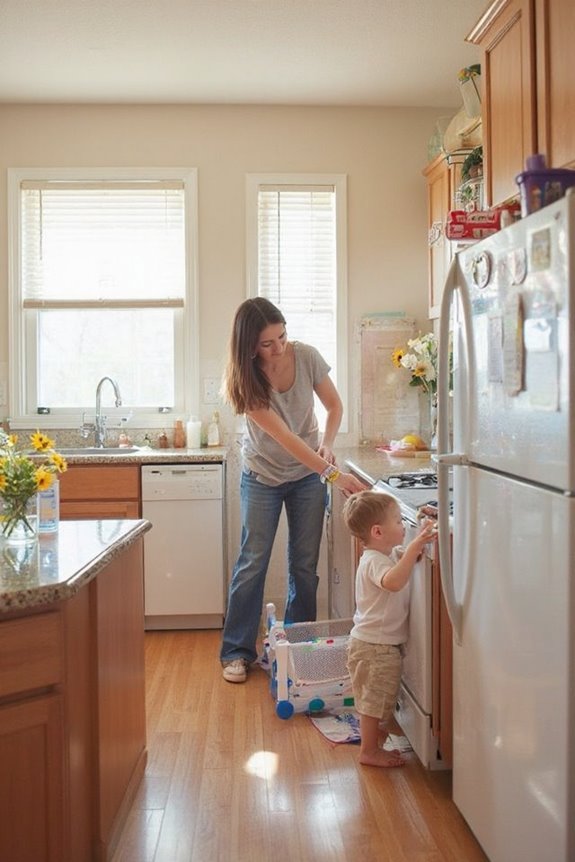
While baby-proofing physical spaces is essential, I’ve found that establishing extensive family safety protocols creates the second critical layer of protection for your little one.
Emergency Preparedness Basics:
- Create a written family communication plan (only 9% of families have one)
- Designate meeting points outside your home in case of evacuation
- Stock essential supplies including formula, diapers, and medications
- Guarantee first aid kits are accessible but out of baby’s reach
Regular Safety Maintenance:
- Conduct monthly home safety inspections
- Practice emergency drills with all family members
- Update emergency contact information when changes occur
- Store backup power for communication devices
Remember to make your emergency plans accessible in all languages spoken in your household, and review them quarterly as your baby grows.
Recommended Products

ALL YOU NEED FOR FOUR: Includes food and water rations for four, an 85-piece first-aid kit, and plenty of materials to help provide shelter and warmth. Our emergency preparedness kit has what you need to keep your family safe until help arrives.

[250 in 1 Survival Kit]: Having an emergency kit is an important step to prepare and protect your and household for some unforeseen events. This emergency survival kit is specifically designed and curated by 3 survival experts, includes total 250pcs multipurpose survival tools. It contains the most popular survival gear and tools, also a first aid kit that enough to treat a family or a group of friends under emergency circumstances.
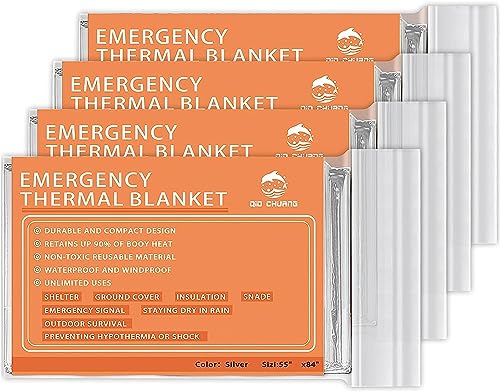
Emergency Mylar Thermal Blankets - Emergency Blanket,Space Blanket,Thermal Blanket,Mylar Blanket,Survival Blanket.Our durable advanced aluminized Mylar blankets are perfect for civilian bug out bags, go-bags, and home/auto emergency kits.
Frequently Asked Questions
When Should I Start Baby-Proofing My Home?
I’d start baby-proofing before crawling begins, around 4-6 months. Focus first on essential areas like stairs and furniture anchoring, then expand your baby proofing timeline as your little explorer becomes more mobile.
How Do I Baby-Proof While Living in a Rental Property?
I’d prioritize temporary solutions like pressure-mounted gates and outlet covers. Always get written permission for rental modifications, and document conditions before/after changes. Keep communication open with your landlord about safety needs.
What Safety Measures Are Needed for Homes With Pets?
I’d recommend pet gates, secure chemical storage, and supervising child-pet interaction. Create designated pet zones, use locking trash cans, and install cupboard locks. Regular safety inspections are essential for effective pet safety measures.
How Do I Baby-Proof During Visits to Relatives’ Homes?
When visiting relatives, I bring portable outlet covers and cabinet locks for temporary measures. I communicate my needs in advance, bring my own emergency kit, and focus on high-risk areas like kitchens and bathrooms.
When Is It Appropriate to Remove Certain Baby-Proofing Items?
Checking skills, watching milestones, tracking growth—I monitor my child’s development closely. I recommend removing gates and other safety items when your child consistently demonstrates understanding of hazards and follows safety rules without reminders.