As an Amazon Associate, we earn from qualifying purchases. Some links on this site are affiliate links at no extra cost to you. Our recommendations are based on thorough research and editorial judgment.


Natural Ways to Clear Mucus From Baby’s Throat

To clear mucus from your baby’s throat naturally, try saline drops to thin secretions followed by gentle suctioning with a bulb syringe. Run a cool-mist humidifier to keep air moist, and elevate your baby’s head slightly during sleep. For babies over one year, hydration helps thin mucus. Keep baby upright after treatments to aid drainage. Contact a doctor immediately if you notice breathing difficulties or blue skin tint. The following techniques offer additional relief for persistent congestion.
Key Takeaways
- Use a bulb syringe after squeezing completely to gently suction mucus from baby’s nostrils.
- Apply saline drops to thin mucus, making it easier to clear through natural drainage or suctioning.
- Run a cool-mist humidifier in baby’s room to maintain moisture in the air and loosen congestion.
- Position baby at a slight incline during sleep to help mucus drain naturally from the throat.
- Ensure adequate hydration through breast milk or formula to help thin mucus naturally.
Understanding Why Babies Develop Excess Mucus
You may be interested

Can Babies Get a 103 Fever From Teething?
July 2, 2025

Can Babies Get Strep Throat?
August 18, 2025
While it’s completely normal for babies to produce mucus, understanding why they develop excess amounts can help you address the issue more effectively. Several factors contribute to increased mucus production in infants:
- Anatomical differences: Babies have smaller nasal passages that can easily become congested
- Environmental conditions: Warm, moist environments promote bacterial growth
- Common illnesses: Upper respiratory infections are primary triggers
- Dietary influences: Dairy consumption may thicken existing mucus
- Health conditions: Cystic fibrosis causes particularly thick, sticky mucus
The color and consistency of mucus can provide important clues about your baby’s health. Clear mucus is typically normal, while yellow or green mucus often indicates infection. For babies with acid reflux, throat irritation can lead to increased mucus production as the body attempts to protect sensitive tissues.
Recognizing the Signs of Mucus Buildup in Infants

Because babies can’t tell us when they’re uncomfortable, it’s essential for parents to recognize the signs of mucus buildup in their little ones. Effective symptom identification begins with observing your baby’s breathing patterns and behaviors.
Watch for these key indicators:
- Congested breathing or nasal discharge
- Gurgling sounds during breathing
- Difficulty or refusal during feeding
- Increased irritability and sleep disturbances
- Changes in mucus color (clear to yellow/green)
Mucus observation is critical—pay attention to consistency and color changes, which might indicate an infection. If your baby displays vocal changes like raspy sounds or excessive coughing and sneezing, mucus may be accumulating in their throat. You might also notice they’re spitting up more frequently or showing signs of discomfort while feeding.
Safe Suctioning Techniques for Clearing Baby’s Airways
Once you’ve identified mucus buildup in your baby, knowing how to safely remove it becomes your next priority. I’ve found that proper suctioning techniques can make all the difference in keeping your little one comfortable.
When suctioning:
- Use a clean bulb syringe specifically for your baby
- Wash your hands thoroughly before and after the procedure
- Squeeze the bulb completely before inserting the tip
- Gently place the tip in the nostril or side of the mouth
- Release pressure slowly to create suction
- Clean the syringe with soapy water after each use
Remember these safe practices: only suction when necessary, not on a schedule. If mucus is particularly thick, a saline solution can help loosen it before suctioning. Always monitor your baby for signs of distress during the process.
Recommended Products

RECOMMENDED HOSPITAL GRADE SILICONE EAR SYRINGE & NASAL ASPIRATOR - Made of 100% SILICONE that works effectively to clear fluid or mucus built up within your baby’s nose and/or ear. Not only is it BPA, Phthalate & Latex free, there isn’t even plastic to worry about!
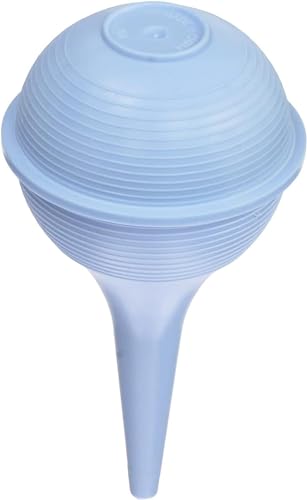
EASILY clear baby airway and nasal passages of mucus and congestion to assist in breathing easier and clearer

Gentle suction clears baby’s breathing passages
Effective Home Remedies to Loosen Throat Mucus

When your baby struggles with throat congestion, gentle home remedies can often provide relief without medication. I’ve found these approaches particularly effective:
- Saline solutions are incredibly versatile – use drops or sprays to thin mucus in your baby’s nose, making it easier to clear. Apply before naps and bedtime for improved breathing.
- Pair saline with a cool-mist humidifier to maintain moisture in the air, which helps loosen thick secretions.
- For babies over one year old, herbal remedies like quince and ginger in steamed mixtures can help thin phlegm. A combination of pear, licorice, and ginger offers both thinning and antibacterial properties.
- Position your baby upright after treatments – gravity will help mucus drain naturally from the throat.
- Saline solutions are incredibly versatile – use drops or sprays to thin mucus in your baby’s nose, making it easier to clear. Apply before naps and bedtime for improved breathing.
Recommended Products

Little Remedies Sterile Saline Nasal Spray and Drops temporarily clears stuffy, dry, or crusty noses and keep baby's nose clear and moisturized

Mommy's Bliss saline Spray/Drops cleans, moisturizes and soothes delicate nasal passages for little ones (babies)

GENTLE, NON-MEDICATED CONGESTION RELIEF: The Frida Baby Saline Mist Spray provides safe, drug-free relief for baby congestion by effectively loosening thick, stubborn boogers and moisturizing dry nasal passages. It’s ideal for babies suffering from allergies, colds, or dry environments.
Creating a Mucus-Friendly Environment at Home

The environment in your baby’s home plays an essential role in managing throat congestion and mucus buildup. I’ve found that maintaining a humid environment is vital for thinning mucus and making it easier for babies to clear their throats.
To create ideal conditions:
- Use a cool mist humidifier in your baby’s room (safer than hot steam versions)
- Clean humidifiers regularly to prevent bacterial growth
- Convert your bathroom into a steam room by running hot water with the door closed
Air quality improvements can greatly reduce congestion:
- Maintain a smoke-free home
- Use unscented household products
- Vacuum frequently to control pet dander
- Replace air filters according to manufacturer guidelines
These simple adjustments can dramatically improve your baby’s breathing comfort while supporting natural mucus clearance.
Recommended Products

𝙁𝙖𝙨𝙩 𝙃𝙪𝙢𝙞𝙙𝙞𝙛𝙞𝙘𝙖𝙩𝙞𝙤𝙣 𝘼𝙡𝙡 𝙉𝙞𝙜𝙝𝙩: Runs for up to 25 hours on low thanks to its SUPER LARGE capacity of 2.5 liters. The soothing moisture helps quickly relief congestion and dry throat.

ULTRASONIC COOL MIST HUMIDIFIER: Our baby humidifier converts water into a refreshing mist that runs up to 60 hours. The mist adjuster allows for a customizable experience, with a simple knob twist. The BPA-free water tank helps achieve safety and purity.
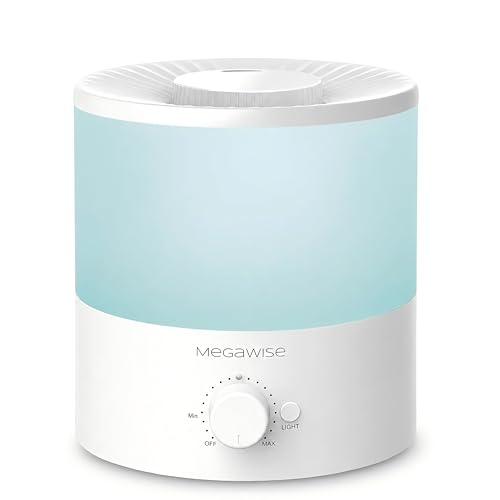
We Care About You: The mist humidifier will be automatically shuts off if waterless, and it is BPA free, FCC Ctificated and RoHS, creating a safe and healthy environment for your families.
Gentle Body Positions to Help Drain Mucus Naturally
Positioning your baby correctly can dramatically improve their ability to clear throat mucus naturally. These postural techniques use gravity to help mucus move from the lungs to the throat where it can be expelled more easily.
Effective drainage positions include:
- For upper lung congestion: Position baby slightly reclined, targeting the area from nipple line to shoulders
- For back lung areas: Lean baby gently forward
- For middle lung sections: Place baby on their side with a slight roll
- For lower lung segments: Use flat position facing up
Remember to monitor your baby’s comfort during these positions and adjust as needed. Each position should be maintained for about 2 minutes while applying gentle percussion—soft tapping that helps loosen stubborn mucus.
Recommended Products

THE ORIGINAL SINCE 2005: Created by recognized pediatrician Dr. Manuel Maidenberg, the Lovenest's unique design has been tested and approved by millions of babies and families around the world.

[Upgraded Integrated Ergonomic Design] The Ktilura Baby Feeding Pillow features an improved ergonomic structure designed to better support your baby during feeding. Dimensions: Top gray section: 3.15 in | Middle white section: 12.99 in | Bottom gray section: 7.48 in. Please ensure the pillow is suitable for your child’s height before purchase.

1.Gentle Incline Positioning:The angled wedge design supports a natural upright posture during feeding and supervised rest time. Helps create a comfortable daily routine setup.
When to Seek Medical Attention for Persistent Congestion
While gentle positioning helps many babies, recognizing when professional care is needed remains a parent’s most important tool. I’ve compiled key medical signs that indicate when to worry about your baby’s congestion:
Seek immediate medical attention if:
- Your baby is under three months old with any congestion
- Breathing exceeds 60 breaths per minute
- You notice blue skin tint, especially around lips
- Baby shows retractions (ribs sucking in with breaths)
- There’s blood in mucus or cough
Call your doctor when:
- Congestion persists beyond two weeks
- Fever lasts more than three days
- Baby has fewer wet diapers than normal
- Feeding becomes difficult or results in vomiting
- Yellow discharge appears from eyes
Trust your instincts—if something seems wrong, contact your pediatrician.
Age-Appropriate Hydration Methods for Mucus Relief
Proper hydration remains a cornerstone of effective mucus management in babies, especially when congestion makes breathing difficult. When implementing hydration techniques, it’s vital to take into account your baby’s age:
- For babies under 6 months: Continue exclusive breastfeeding or formula feeding. Never give water at this age.
- For babies 6-12 months: While breast milk or formula remains primary, small amounts of water can help thin mucus.
- For toddlers 1-2 years: Increase water intake alongside milk consumption.
Different fluid types offer varying benefits for congestion relief:
- Breast milk provides both hydration and antibodies to fight infections
- Pediatrician-approved electrolyte solutions may help during illness
- For older infants, warm (not hot) herbal teas may provide comfort under medical guidance
I recommend monitoring urine output to confirm adequate hydration levels.
Recommended Products

ELECTROLYTES: Feel your best. Amazon Basic Care Mixed Fruit Electrolyte Solution is an electrolyte drink designed to help restore electrolytes and fluids. A full-flavored hydration option for adults and children. Compare to Pedialyte

ELECTROLYTES AND ZINC: Electrolytes are minerals that are important to keep your body hydrated; Amazon Basic Care Unflavored Electrolyte Solution with zinc is for children and adults; compare to Pedialyte

ELECTROLYTES: Feel your best. Amazon Basic Care Grape Electrolyte Solution is an electrolyte drink designed to help restore electrolytes and fluids. A full-flavored hydration option for adults and children. Compare to Pedialyte
Prevention Strategies to Minimize Mucus Production
Beyond keeping your baby hydrated, you can take proactive steps to prevent excessive mucus buildup in the first place. Creating an ideal environment is vital—consider running a humidifier and using air purifiers to reduce irritants that trigger mucus production.
Make thoughtful dietary adjustments by:
- Continuing breastfeeding when possible (breast milk contains protective antibodies)
- Avoiding potentially allergenic foods if formula-feeding
- Discussing probiotic options with your pediatrician
Essential oils can be helpful when used properly:
- Diffuse eucalyptus or lemon oil in well-ventilated areas
- Never apply directly to baby’s skin
- Always consult your healthcare provider before introducing any oils
Minimize exposure to smoke, dust, and pollutants, and maintain a comfortable room temperature to prevent mucus-triggering conditions.
Frequently Asked Questions
Can Breastfeeding Help Reduce Mucus in Babies?
I’ve found that breastfeeding benefits may help with mucus reduction in babies. While there’s no direct evidence, my milk’s antibodies and immune-boosting properties can reduce respiratory illness severity, potentially decreasing mucus production.
Are Humidifiers or Steam Baths More Effective for Mucus Relief?
I’ve seen MOUNTAINS of mucus vanish with both methods! For daily relief, I’d pick cool-mist humidifier types running consistently. But steam benefits are amazing for immediate, short-term help. Both work differently but effectively!
How Do Seasonal Changes Affect Baby’s Mucus Production?
I’ve noticed seasonal allergies trigger an immune response in babies, increasing mucus production. As seasons change, different pollens and temperature shifts can affect how much mucus your baby produces, especially during spring and fall.
Can Teething Cause Excess Mucus in Babies?
I’ve seen babies become mucus machines during teething! Yes, teething can increase mucus production due to inflammation. While drooling is a classic teething symptom, the excess saliva can also trigger more mucus throughout their system.
Is Nasal Congestion Dangerous During Baby’s Sleep?
I’d say nasal congestion during sleep isn’t usually dangerous, but it can disrupt your baby’s breathing and sleep quality. Always follow safe sleep practices and monitor for any signs of respiratory distress.