As an Amazon Associate, we earn from qualifying purchases. Some links on this site are affiliate links at no extra cost to you. Our recommendations are based on thorough research and editorial judgment.


Do Babies Sweat? Understanding Infant Perspiration

Yes, babies do sweat, but their sweat glands aren’t fully functional at birth. While sweat gland formation begins during the fourth month of gestation, complete functionality takes about two years to develop. Normal infant sweating occurs during sleep, feeding, or in warm environments. You should be concerned if sweating is excessive enough to soak clothing, especially when accompanied by fever, breathing difficulties, or occurs during feeding. Understanding your baby’s temperature regulation system helps distinguish normal perspiration from potential problems.
Key Takeaways
- Babies do sweat, but their sweat glands aren’t fully functional until approximately two years of age.
- Newborns have developed sweat glands on palms and soles by the second trimester of pregnancy.
- Normal infant sweating occurs during deep sleep, breastfeeding, or in warm environments.
- Excessive sweating that soaks clothing or occurs with fever requires medical attention.
- Infants lose heat more rapidly than adults due to their larger surface-to-weight ratio.
The Development of Sweat Glands in Newborns
You may be interested

Can Babies Get a 103 Fever From Teething?
July 2, 2025
Can Babies Get Strep Throat?
August 18, 2025
While babies appear simply as tiny versions of adults, their sweat gland development follows a complex timeline that begins well before birth. The process of gland formation starts during the fourth month of gestation, with eccrine sweat glands first emerging on the palms and soles.
By the second trimester, these palmoplantar glands are fully developed, while the rest of the body’s sweat glands form between weeks 24-26 of pregnancy. This significant aspect of infant anatomy continues to mature after birth:
- Newborns have all their sweat glands present but with limited function
- These glands are more concentrated per unit area than in adults
- Full functionality takes approximately two years to develop
- The skin becomes functional during late fetal development
Normal vs. Excessive Sweating in Infants
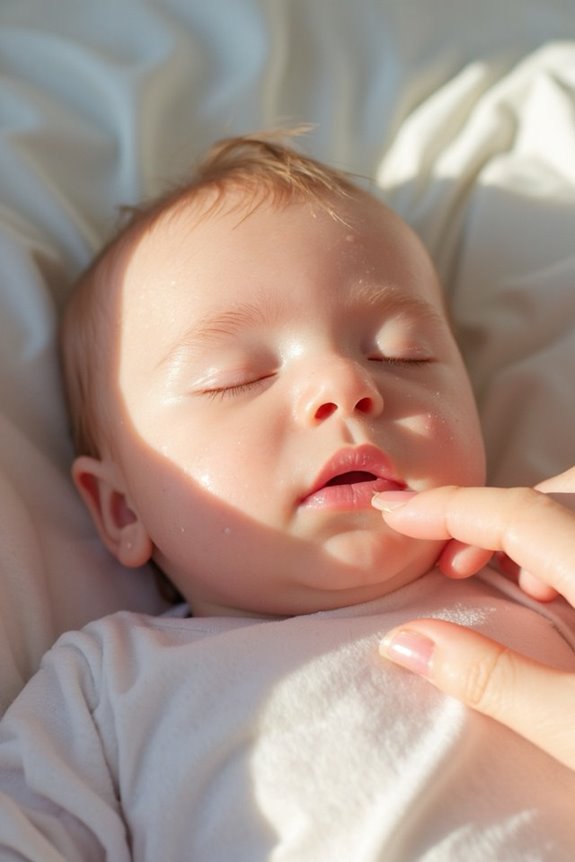
Although all babies sweat to some degree, understanding the difference between normal and excessive sweating can help you determine when there’s cause for concern.
Normal sweating typically occurs during deep sleep cycles, while breastfeeding, or in warm environments. It’s part of your baby’s developing thermoregulation system and may be influenced by genetic factors.
Excessive sweating, however, requires attention when:
- Sweat soaks through clothing or bedding
- It’s accompanied by fever, breathing difficulties, or unusual symptoms
- It occurs persistently during sleep
Conditions like sleep apnea or idiopathic hyperhidrosis can cause abnormal sweating patterns. If your baby sweats profusely without environmental triggers or shows other concerning symptoms, consult your pediatrician. Most infant sweating is normal, but knowing the difference guarantees proper care.
Recommended Products

✅Fast & Accurate - Discover the precision of our forehead thermometer. Engineered to deliver highly accurate temperature measurements, our professional-grade device offers a user-friendly experience. With a non-contact design, it ensures hygienic usage and provides fast results within seconds. Suitable for all ages, it is a must-have for households and medical professionals alike. Rely on our brand's commitment to accuracy and obtain the peace of mind you deserve.

【±0.2°F High-Precision Sensor & Reliable Temperature Monitoring】Equipped with a high-performance sensor and compensation algorithm, this Momcozy baby thermometer delivers fast, accurate readings with ±0.2°F precision.By tracking temperature changes, it helps parents better understand their baby’s condition and make timely care decisions for infants and kids.

ACCURATE FOR ALL AGES: Designed for infants, toddlers, and kids, this thermometer delivers reliable readings whether used rectally, orally, or under the arm, adapting as your child grows.
When to Be Concerned About Baby Perspiration
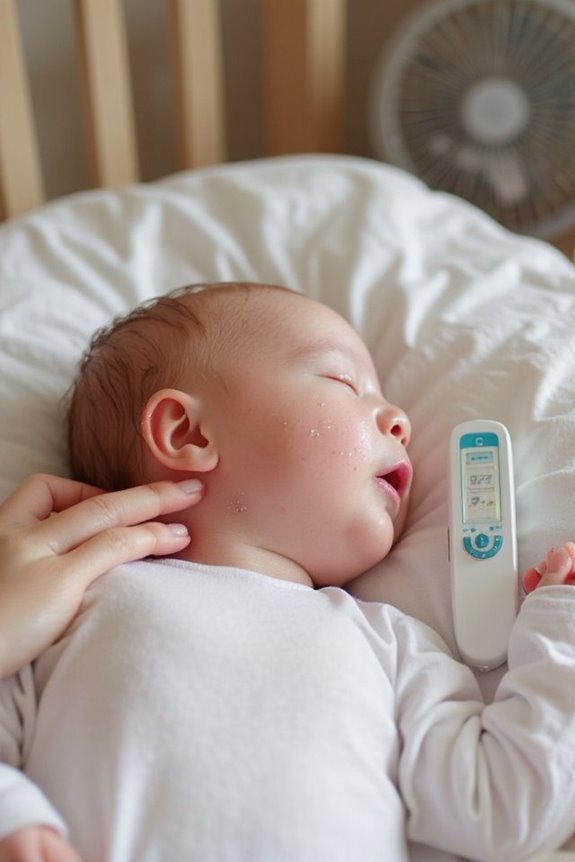
Since babies can’t tell us when they’re uncomfortable, recognizing concerning signs of perspiration becomes essential for their wellbeing. While occasional sweating is normal, certain patterns may indicate serious issues.
Red Flags to Watch For:
- Sweating causes concern when accompanied by lethargy or breathing difficulties
- Skin that feels hot to touch alongside perspiration
- Excessive sweating during feeding (possible heart condition)
- Persistent sweating in comfortable temperatures
Medical concerns requiring immediate attention:
- Fever with excessive sweating
- Unusual sweating patterns without apparent cause
- Signs of infection along with perspiration
I recommend documenting when and where sweating occurs if you notice it happening frequently. Contact your pediatrician if you observe any of these concerning signs—it’s always better to err on the side of caution.
Recommended Products
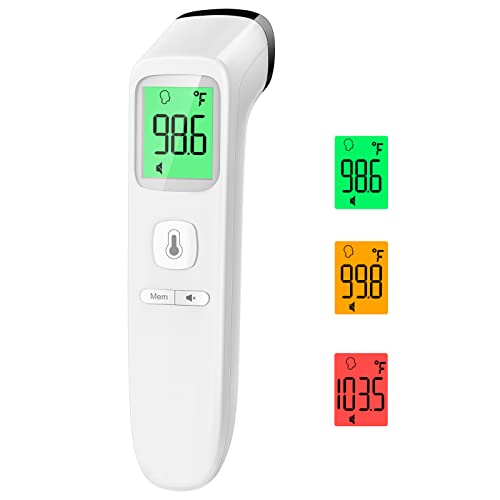
Reliable & Accurate: Goodbaby Forehead Thermometer has been clinically tested and found to be a fast and absolutely reliable gadget to use. It is ideal for forehead readings.

【0-3 Years Old Child Mode】The Momcozy baby digital thermometer is equipped with a child mode specifically designed for infants aged 0-3 years. This mode ensures safe and accurate temperature measurements for your little baby, providing you with peace of mind during critical moments.It is also suitable for older kids and adults, making it a practical thermometer for the whole family.
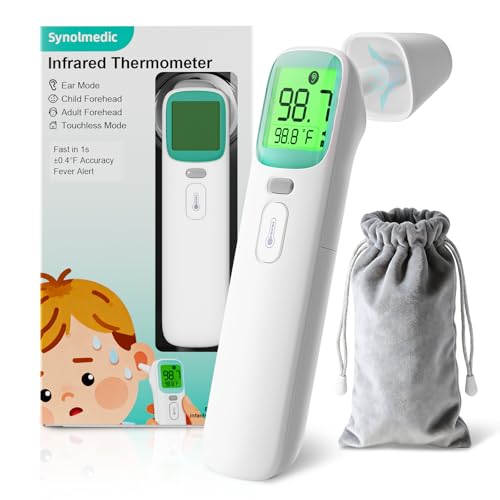
EASY TO USE: Synolmedic touchless infrared thermometer for adults and kids offers one-button measurement and a color-coded backlight to instantly show temperature status. The magnetic probe cover auto-switches between forehead and ear modes, and a quick-start guide makes use simple and hassle-free
How Temperature Regulation Works in Babies
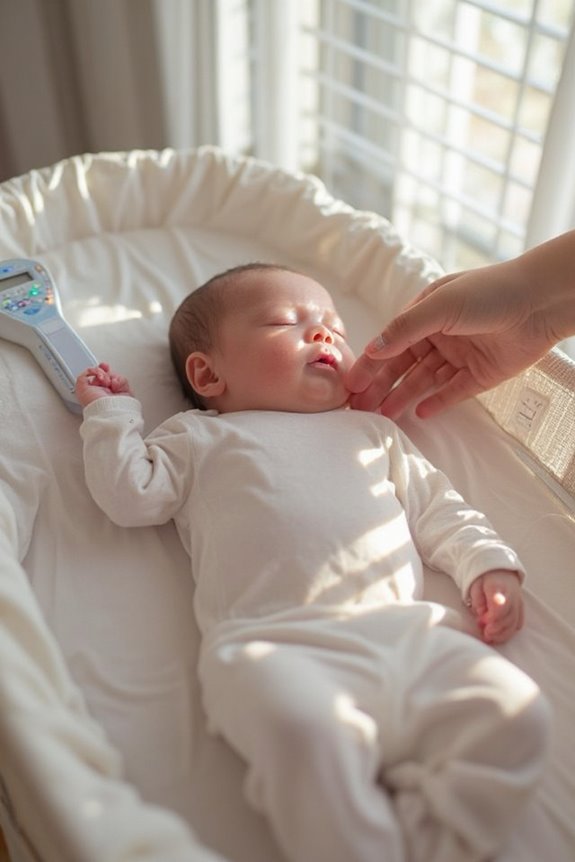
Unlike adults who’ve fully developed their temperature regulation systems, babies face unique challenges in maintaining their body heat. Infants rely on several specialized thermoregulation mechanisms:
- Their bodies activate peripheral vasoconstriction to reduce heat loss through the skin
- Brown fat, located around essential organs, plays a significant role in generating heat
- The hypothalamus processes signals from thermal receptors to trigger heat responses
Babies lose heat more rapidly than adults due to their larger surface-to-weight ratio. When a newborn gets cold, their body activates brown fat through norepinephrine release, producing heat directly rather than storing energy as ATP. This nonshivering thermogenesis is critical since infants can’t shiver effectively. Premature babies have even more limited temperature regulation abilities, making external warming particularly important.
Recommended Products

【🌡️Smart Temperature Control – No Sweating, All Night Comfort】Powered by advanced Outlast technology (originally developed for NASA), this walker sleep sack actively absorbs, stores, and releases heat. It keeps your baby cool when it’s warm and cozy when it’s cool—eliminating night sweats and chills. Say goodbye to frequent wake-ups and hello to deeper, longer sleep - and so will you!

【🌡️ Smart Temperature Balance – Cool, Dry & Comfortable All Night】Infused with advanced Outlast technology (originally developed for NASA), this lightweight sleep sack helps regulate your baby’s body temperature by absorbing and releasing excess heat. Designed for warmer nights, it keeps your little one cool, dry, and sweat-free—so you sleep better

【🌡️Smart Temperature Control – No Sweating, All Night Comfort】Powered by advanced Outlast technology (originally developed for NASA), this walker sleep sack actively absorbs, stores, and releases heat. It keeps your baby cool when it’s warm and cozy when it’s cool—eliminating night sweats and chills. Say goodbye to frequent wake-ups and hello to deeper, longer sleep - and so will you!
Managing Your Baby’s Comfort in Different Environments
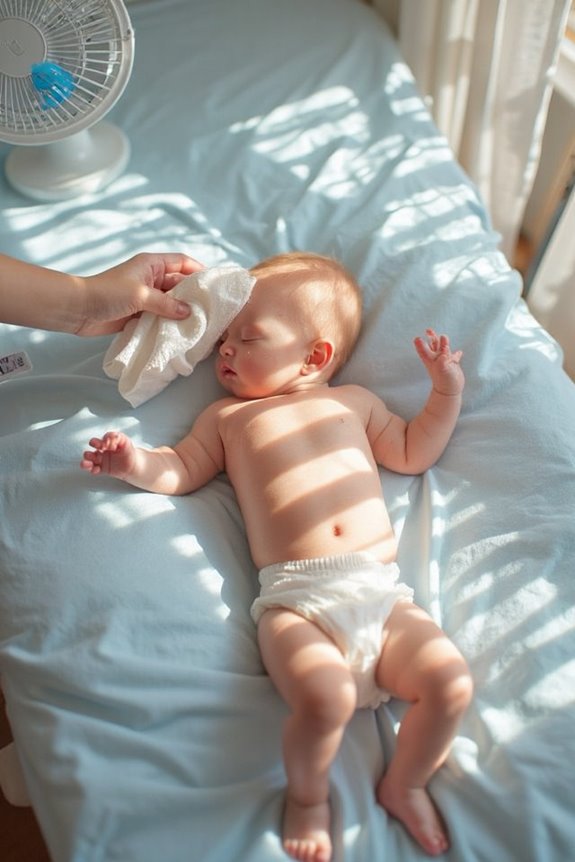
While babies have limited temperature regulation abilities, you’ll need to create environments that help them maintain proper body heat in various settings. I recommend these approaches when handling outdoor conditions:
- Dress your baby in breathable, layered clothing that can be easily adjusted
- Use hats to prevent heat loss from the head
- Seek shade and use sun protection when outdoors
- Monitor for signs of overheating like sweating or redness
For clothing adjustments, remember:
- Add or remove layers based on temperature changes
- Pre-warm surfaces before laying your baby down
- Maintain room temperatures between 68-72°F (20-22°C)
- Keep humidity levels between 30-50%
During extreme weather, check nursery temperatures frequently to verify your heating or cooling systems are working properly.
Recommended Products

100% Organic Cotton: Ultra-soft fabric that's gentle on sensitive skin and promotes sustainable practices.

Premium Merino Wool Silk Blend: Crafted from 85% Merino wool and 15% natural silk, these baby leggings offer natural softness, lightweight warmth, and breathable comfort. A cozy everyday base layer for babies, toddlers, and young kids.

Soft and Gentle Baby Burp Cloths: Made from 100% breathable muslin cotton, these burping cloths are lightweight, gentle, and ideal for your baby’s sensitive skin.
Cultural Practices and Their Impact on Infant Sweating
Across the globe, diverse cultural traditions greatly influence how parents manage their babies’ temperature regulation and sweating patterns. These cultural beliefs manifest in various traditional practices:
- Swaddling: Common in Turkish and Jordanian communities to minimize sweating and strengthen limbs
- Salting: Practiced in rural Jordan to prevent excessive sweating and protect against skin disorders
- Thermal care: South Asian mothers may use less bedding even in cooler environments to manage infant perspiration
Many of these approaches stem from humoral theories about maintaining thermal balance. While modern healthcare increasingly integrates with traditional methods, it’s important to recognize that practices like swaddling can reduce sweating by controlling environmental exposure, while others focus on skin protection and hydration.
Frequently Asked Questions
Can Babies Get Heat Rash From Sweating?
Yes, I’ve found that babies can definitely get heat rash from infant sweating. When their sweat ducts get blocked, the trapped moisture irritates their delicate skin, causing those tiny red bumps you’re noticing.
Do Certain Medications Affect a Baby’s Ability to Sweat?
Yes, I’ve seen medication impact on babies’ sweating patterns. Anticholinergics like hyoscyamine can reduce perspiration, potentially causing overheating issues. Other drugs may trigger sweating disorders, so always consult your pediatrician about medication side effects.
Are Breastfed Babies Less Likely to Overheat Than Formula-Fed Babies?
I believe breastfed babies may have some advantage against overheating due to breastmilk benefits like better water and electrolyte content, while formula composition might not regulate temperature as effectively, though research is limited.
Can Infant Perspiration Patterns Predict Future Health Conditions?
I believe abnormal sweating patterns in infants can indicate potential future health conditions, particularly heart problems or cystic fibrosis. I’d recommend monitoring these patterns closely and consulting a pediatrician if you notice anything unusual.
Do Premature Babies Develop Different Sweating Patterns Than Full-Term Infants?
Yes, I’ve found that premature infants develop sweating patterns more gradually than full-term babies. Their sweating mechanisms mature with postnatal age, though they initially lack the efficient thermoregulatory sweating full-term infants demonstrate from birth.