As an Amazon Associate, we earn from qualifying purchases. Some links on this site are affiliate links at no extra cost to you. Our recommendations are based on thorough research and editorial judgment.

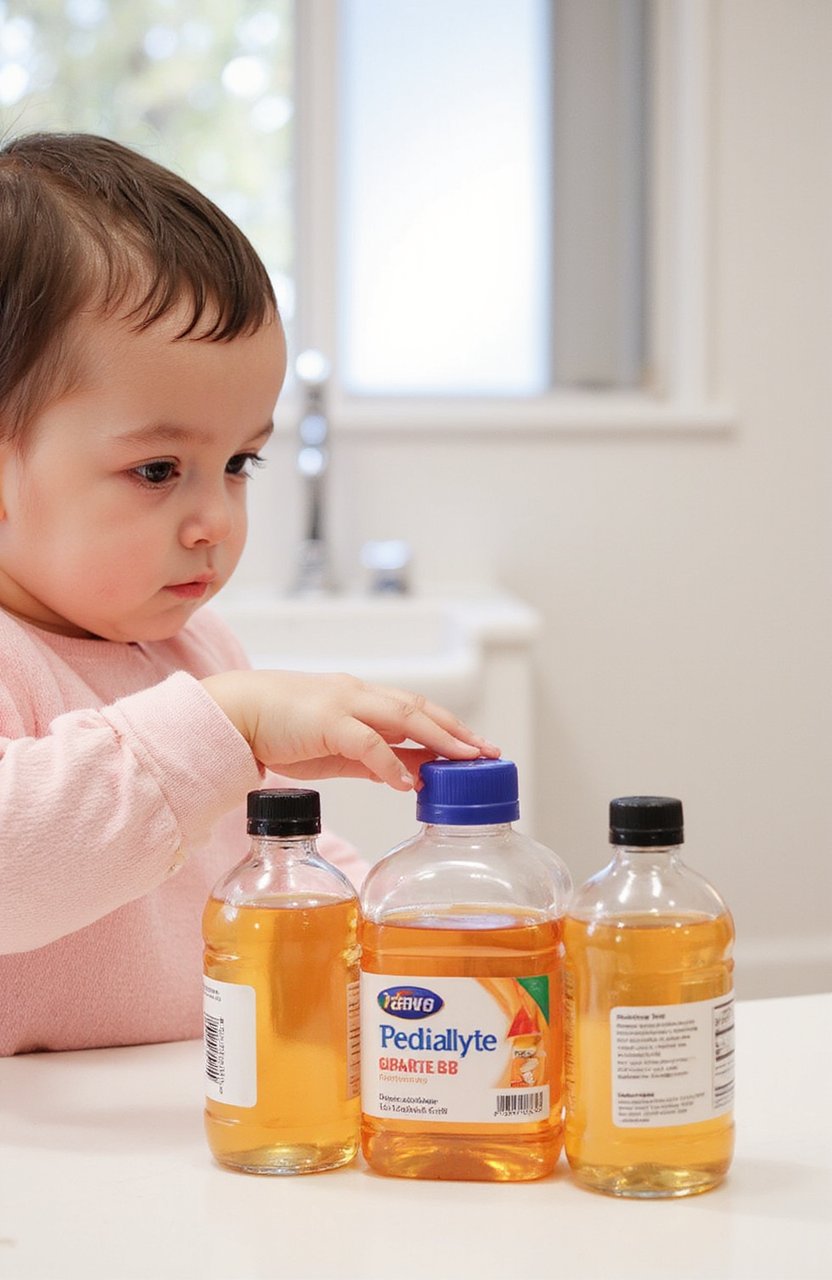
Is Pedialyte Safe for Babies?

Pedialyte is generally safe for babies, but age matters. For infants under 6 months, always consult a doctor first. Babies 6-12 months should only receive Pedialyte with medical supervision. Children over 1 year can safely use it for mild dehydration from vomiting or diarrhea. Administer in small, frequent sips and monitor for improvement. Watch for signs of worsening dehydration or allergic reactions. The proper dosage and administration techniques can make all the difference in your baby’s recovery.
Key Takeaways
- Pedialyte is generally safe for babies over 1 year old without medical consultation.
- Infants under 6 months should only use Pedialyte under strict medical supervision.
- Babies 6-12 months old require doctor consultation before using Pedialyte.
- Pedialyte should complement, not replace, breast milk or formula for infants.
- Monitor for side effects like nausea, vomiting, or allergic reactions when giving Pedialyte to babies.
What Is Pedialyte and How Does It Work?
You may be interested

Can Babies Get a 103 Fever From Teething?
July 2, 2025
Can Babies Get Strep Throat?
August 18, 2025
Pedialyte is a specialized oral rehydration solution designed to restore fluid and electrolyte balance in the body. It contains water, dextrose, and essential electrolytes like sodium chloride, sodium citrate, and potassium citrate that work together to prevent dehydration.
When babies lose fluids through vomiting or diarrhea, Pedialyte ingredients help replenish what’s been lost more effectively than water alone. The key Pedialyte benefits include:
- Rapid rehydration through balanced electrolyte formulation
- Energy provision through dextrose
- Restoration of sodium and potassium levels
Pedialyte comes in several forms, including unflavored and flavored liquids, freezer pops, and powder mixes. The flavored versions contain artificial sweeteners like sucralose and colorants such as FD&C Red #40, while all formulations maintain the same essential rehydration properties.
Age Recommendations for Pedialyte Use in Infants
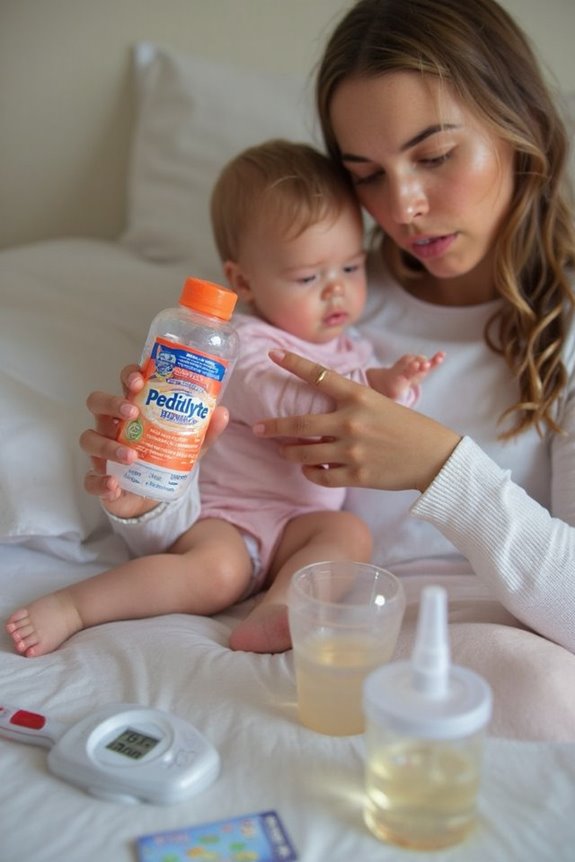
When should your baby start using Pedialyte? The answer is straightforward: Pedialyte is not recommended for infants under 1 year without consulting a doctor first. This is critical for maintaining proper infant hydration and electrolyte balance.
Key age guidelines to remember:
- Under 6 months: Medical supervision is mandatory; breastmilk or formula should be primary hydration sources
- 6-12 months: Doctor consultation required before use
- Over 1 year: Typically safe for helping with dehydration
For babies under 6 months, the risks are especially significant as they’re highly sensitive to fluid imbalances. If your doctor recommends Pedialyte for your infant, they’ll provide specific dosage instructions based on your baby’s age and weight.
Always monitor for worsening symptoms and seek immediate medical attention if dehydration persists beyond 24 hours.
Recommended Products
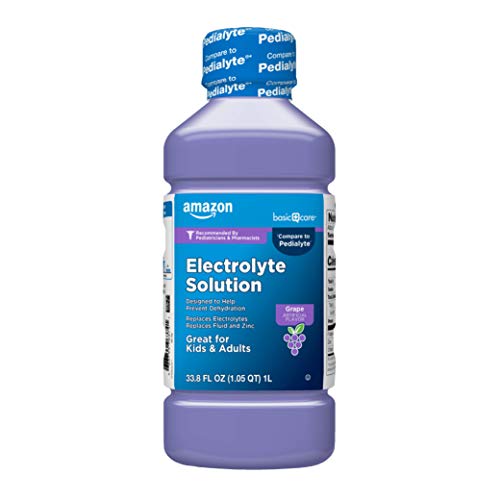
ELECTROLYTES: Feel your best. Amazon Basic Care Grape Electrolyte Solution is an electrolyte drink designed to help restore electrolytes and fluids. A full-flavored hydration option for adults and children. Compare to Pedialyte

ELECTROLYTES: Feel your best. Amazon Basic Care Mixed Fruit Electrolyte Solution is an electrolyte drink designed to help restore electrolytes and fluids. A full-flavored hydration option for adults and children. Compare to Pedialyte

ELECTROLYTES AND ZINC: Electrolytes are minerals that are important to keep your body hydrated; Amazon Basic Care Unflavored Electrolyte Solution with zinc is for children and adults; compare to Pedialyte
When to Consider Pedialyte for Your Baby

Now that you understand the age guidelines for Pedialyte, it’s important to recognize the specific situations where this rehydration solution might be appropriate for your little one.
Recommended Products

HYDRATE AND FEEL BETTER FAST: Pedialyte electrolyte solution is designed to replace fluids and electrolytes more effectively than common beverages like some sports drinks, juices, water, and sodas

Electrolyte Blend Formula: Contains a mix of key electrolytes and sugar for hydration

HYDRATE AND FEEL BETTER FAST: Pedialyte electrolyte solution is designed to replace fluids and electrolytes more effectively than common beverages like some sports drinks, juices, water, and sodas
Key Dehydration Indicators
I recommend considering Pedialyte when:
- Your baby shows signs of dehydration (dry mouth, fewer tears, reduced urination)
- Your infant experiences vomiting or diarrhea
- Clear fluids are needed during illness
Electrolyte Importance
Maintaining proper electrolyte balance is vital when babies lose fluids through illness. Pedialyte effectively replaces these essential minerals while providing needed hydration.
Remember to consult your pediatrician before giving Pedialyte, especially if dehydration symptoms persist or worsen. While it’s widely available and easy to administer, medical guidance guarantees it’s the right solution for your baby’s specific needs.
Proper Dosage and Administration Guidelines
Understanding the correct dosage and method of giving Pedialyte to your baby is essential for safe and effective rehydration. I want to emphasize that dosage recommendations vary considerably by age:
- For infants under 1 year: Only use under medical supervision, typically 5-10 mL every 15 minutes
- For children 1 year and older: 50-100 mL per diarrhea episode
When it comes to administration techniques, small, frequent sips work best. Monitor how your baby tolerates each amount before increasing. For infants 6-12 months old, I recommend consulting your pediatrician first, as they’ll provide guidance specific to your baby’s needs.
Remember that Pedialyte should complement—never replace—breast milk or formula. Maintain your regular feeding schedule, just with shorter intervals to prevent overwhelming your baby’s stomach.
Recommended Products

RAPIDLY RESTORES ELECTROLYTES: Has 2x electrolytes and 75% less sugar vs the leading sports drink (Pedialyte AdvancedCare liquid liters have 1080mg sodium and 13g sugars per liter; leading sports drink has460mg sodium and58g sugars per liter)
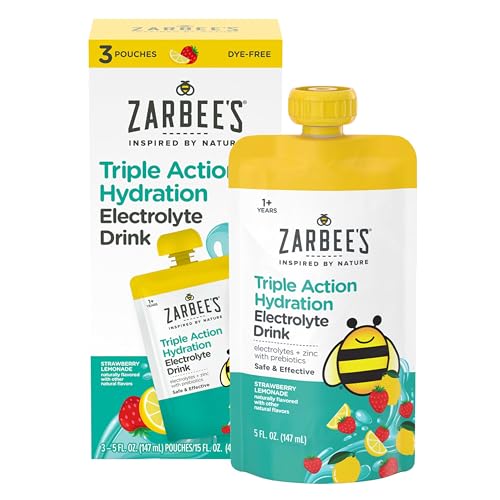
TRIPLE ACTION HYDRATION: Pack of three 5-fluid ounce pouches of Zarbee's Triple Action Hydration Electrolyte Drink with a strawberry lemonade flavor effectively replenishes lost electrolytes to help prevent mild to moderate dehydration*

CHILDREN'S IMMUNE SUPPORT: This organic apple-citrus electrolyte solution helps to restore zinc and encourage immune system support
Potential Side Effects and Warning Signs
Although Pedialyte is generally considered safe for supervised use in infants, parents should be aware of possible adverse reactions that may occur. I recommend monitoring your baby closely after administration for any concerning symptoms.
Common Mild Reactions:
- Nausea or vomiting
- Mild dizziness
- Restlessness or irritability
Watch for Allergic Reactions:
- Rash or hives
- Itching
- Facial swelling
- Difficulty breathing (seek immediate medical attention)
Overdose Symptoms to Monitor:
- Irregular heart rhythm
- Fainting
- Seizures
- Respiratory distress
If you notice swelling in your baby’s feet or ankles, this could indicate a side effect requiring medical evaluation. Always consult your pediatrician before giving Pedialyte to infants under 6 months, and seek emergency care for severe reactions.
Recommended Products

RAPIDLY RESTORES ELECTROLYTES: Has 2x electrolytes and 75% less sugar vs the leading sports drink (Pedialyte AdvancedCare liquid liters have 1080mg sodium and 13g sugars per liter; leading sports drink has460mg sodium and58g sugars per liter)

WITH PREBIOTICS: Amazon Basic Care Advantage Care electrolyte drinks include PreVital Prebiotics for advanced rehydration with prebiotics to help support the digestive system. Compare to Pedialyte AdvancedCare

Alternatives to Pedialyte for Infant Hydration
While Pedialyte remains a popular choice for rehydrating infants, several effective alternatives exist that can help restore your baby’s fluid balance during mild dehydration episodes.
Natural Options:
- Coconut water provides natural electrolytes but should be used only for babies over 12 months
- Diluted apple juice (1:1 with water) works for mild dehydration in babies over 6 months
DIY Hydration Solutions:
- Simple homemade mix: 1 quart water + 2 tablespoons sugar + ¼ teaspoon salt
- Freeze breast milk or formula into small popsicles for reluctant drinkers
Always consult your pediatrician before giving any alternative hydration solution to infants, especially those under 6 months. Commercial alternatives like Kinderlyte offer options without artificial ingredients, though they may cost more than DIY solutions.
Recommended Products

PLANT BASED & ORGANIC: Berri Lyte is the world’s first plant based, USDA certified organic oral electrolyte solution, with zero artificial ingredients, preservatives or artificial flavors

FORMULATION: Advanced rehydration solution with an optimal balance of sugar and electrolytes needed to help replenish vital fluids and minerals which, when lost, can lead to dehydration
Frequently Asked Questions
Can Pedialyte Be Mixed With Baby Formula or Breast Milk?
I don’t recommend mixing Pedialyte with formula or breast milk. While Pedialyte benefits dehydrated babies, mixing guidelines specifically advise against combinations as they can disrupt the carefully balanced electrolytes in both liquids.
How Long Can Opened Pedialyte Be Stored in the Refrigerator?
I always follow storage guidelines for opened Pedialyte – it must be refrigerated and used within 48 hours. This opened shelf life is important to prevent harmful bacterial growth once the product is exposed.
Is Pedialyte Safe for Babies With Diabetes or Metabolic Disorders?
I’d always consult a doctor before giving Pedialyte to babies with diabetes or metabolic disorders. While it helps maintain electrolyte balance, its sugar content requires careful diabetes management and monitoring to avoid complications.
Can Pedialyte Replace Water in a Baby’s Regular Diet?
I wouldn’t recommend replacing water with Pedialyte in your baby’s regular diet. While it helps with electrolyte balance during illness, it’s not designed for daily hydration needs. Breast milk or formula is best for routine hydration.
Does Pedialyte Contain Artificial Sweeteners or Dyes?
Yes, many Pedialyte products contain artificial sweeteners like sucralose and artificial dyes such as Red 40. If you’re concerned about artificial ingredients, I’d recommend their Organic line which offers natural alternatives without these additives.