As an Amazon Associate, we earn from qualifying purchases. Some links on this site are affiliate links at no extra cost to you. Our recommendations are based on thorough research and editorial judgment.

When Do Babies Start to Roll Over?

Babies typically start rolling over between 4 and 7 months of age. Most begin with tummy-to-back rolling around 3-4 months, which requires developing neck and back strength through tummy time. The more challenging back-to-belly roll usually emerges between 5-7 months. You’ll notice progression from rocking motions to side rolling before complete rolls. Every baby develops at their own pace, and it’s important to stop swaddling once rolling begins for safety. The sections below offer detailed guidance for supporting this exciting milestone.
Key Takeaways
- Most babies begin rolling over between 4 and 7 months of age.
- The first roll typically occurs from tummy to back around 3-4 months.
- Back-to-belly rolling develops later, usually between 5-7 months.
- Side rolling emerges between 3-5 months as an intermediate step before full rolling.
- Regular tummy time helps develop the necessary strength for this important mobility milestone.
The Milestone of Rolling: What to Expect
You may be interested

Do Babies Have Kneecaps?
May 15, 2025
Helping Your Baby Roll Over: Tips and Techniques
July 15, 2025
While every baby develops at their own pace, rolling over is one of the first major physical milestones you’ll witness in your child’s development. Most babies begin this journey between 4 and 7 months, starting with a rocking motion around 4 months of age.
The developmental stages typically follow this pattern:
- Initial rocking back and forth (4 months)
- Rolling from back to belly (5.5-7.5 months)
- Rolling in both directions (around 6 months)
Your baby’s rolling techniques will evolve as they gain strength in their neck, back, and core muscles. They’ll use arm extensions and leg kicks to propel themselves during rolls. Remember that some babies develop faster or slower than others—this variability is completely normal in infant development.
First Rolls: From Tummy to Back
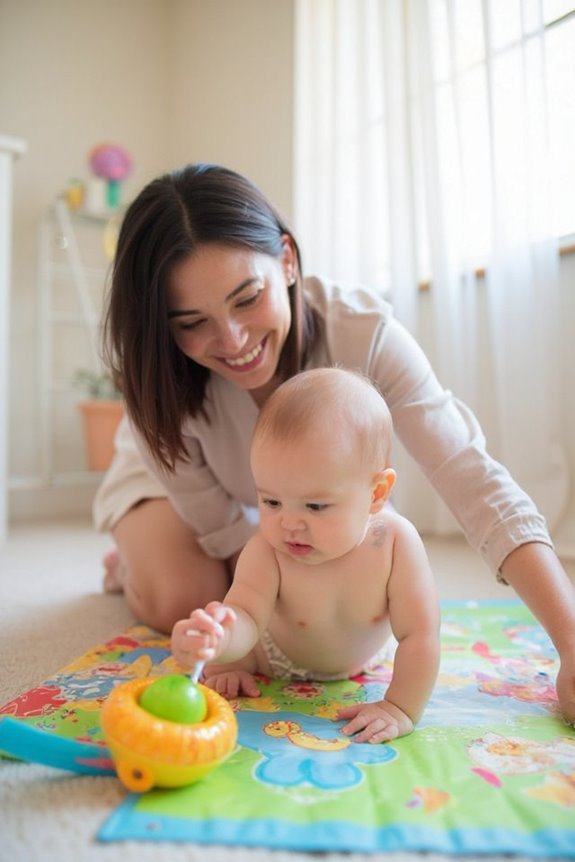
As your baby develops strength in their upper body, they’ll typically achieve their first roll from tummy to back between 3 to 4 months of age. This movement represents a critical baby milestone in their physical development journey.
The rolling mechanics begin with side-to-side rocking motions during tummy time. Your baby’s initial rolls may happen accidentally as they practice mini push-ups. These early movements require:
- Sufficient neck and back muscle strength
- Coordination between different muscle groups
- Cognitive development to execute the movement
I’ve observed that babies who get regular tummy time tend to master this skill more quickly. Remember that individual development varies—some babies roll earlier, while others take more time. Always guarantee a safe environment to prevent falls when your baby starts exploring this new mobility.
Recommended Products

8-in-1 Baby Activity Play Mat - Our baby play mat with a forest theme comes with some interesting enlightenment toys that can easily arouse your baby's curiosity in all directions when lying or sitting. Contain 6 removable hanging toys ( 3 animal sensory toys, 1 self-discovery mirror, 1 cognitive cloth book, and 1 rattle ), 1 tummy time moon pillow, and a large & soft playmat. Fully meet the baby's growth needs.

Newborn Baby Essential – This baby play gym supports stage-based sensory and motor development. The soft mat offers a cozy space to rest, play, and learn, while hanging toys engage sight, hearing, and touch to build sensory awareness and coordination.

8-in-1 Baby Activity Play Mat - Our baby play mat with a forest theme comes with some interesting enlightenment toys that can easily arouse your baby's curiosity in all directions when lying or sitting. Contain 6 removable hanging toys ( 3 sensory hanging toys, 1 self-discovery mirror, 1 cognitive cloth book, and 1 rattle ), 1 tummy time moon pillow, and a large & soft playmat. Fully meet the baby's growth needs.
Advancing to Back-to-Belly Rolling

The second major rolling milestone occurs when babies turn from their back to their belly, typically between 5 to 7 months of age. This movement requires considerably more strength and coordination than earlier rolls.
To support this development:
- Provide regular tummy time to build core muscles
- Position toys slightly out of reach to encourage rolling techniques
- Always supervise practice sessions on a safe, soft surface
Remember that developmental differences are normal—some babies master this skill earlier, while others take longer. Most babies learn to roll from tummy to back before achieving back-to-belly rolling.
As your baby becomes more mobile, safety becomes increasingly important. Make certain sleep surfaces remain firm and clear of soft bedding, and never leave your baby unattended on elevated surfaces once they begin showing signs of rolling.
Recommended Products
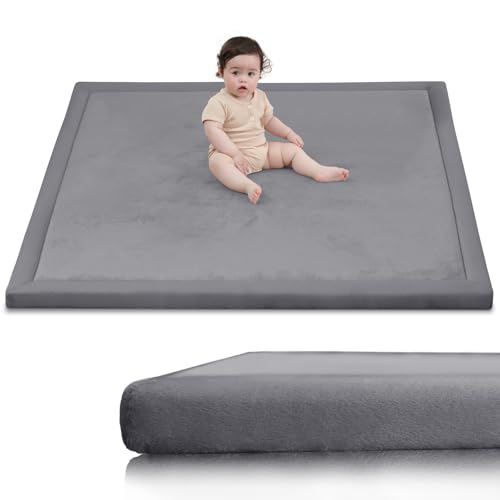
【Safe & Certified for Babies】Our baby play mat is designed with safety as the top priority. Certified by OEKO-TEX fabric standards and tested to meet CPSIA and ASTM requirements, this kids play mat is free from harmful substances. Parents can choose with confidence, knowing their little ones are playing on a non-toxic, ultra-soft crawling mat.

【The 5-in-1 Grow-With-Me Gym: From First Tummy Time to Toddler Play】More than a play mat, this baby activity center evolves with your child. It’s a tummy time trainer, a sensory playground with curated toys, a soft play space for sitting, a portable gym for travel, and a photo-ready backdrop. The ultimate baby essential for developmental play from newborn to toddler.

【Make Tummy Time Easier】 This tummy time water mat has bright and colorful seabed world patterns, cute and beautiful marine animals, which can make your baby love doing tummy time exercise. It can not only make baby exercise the muscles of the neck, shoulders, back and limbs, but also make the baby get sensory enjoyment
Side Rolling: An Important Transition
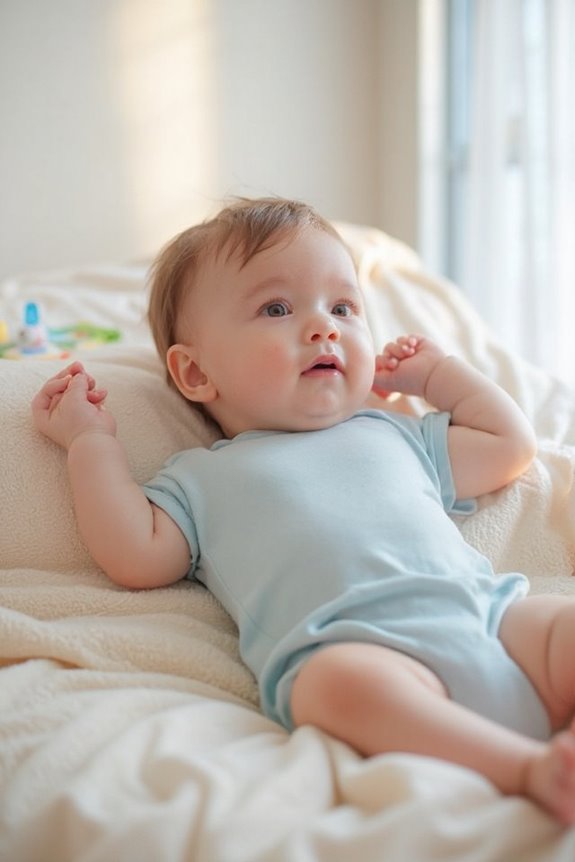
Before your baby accomplishes full rolling, they’ll master an intermediate skill that deserves your attention. Side rolling typically emerges between 3-5 months and serves as an essential link to full mobility.
Early signs include rocking from side to side and mini push-ups during tummy time. These movements build the core strength needed for complete rolls.
Side rolling benefits include:
- Development of muscles necessary for crawling
- Improved hand-eye coordination
- Enhanced physical confidence
- Foundation for more complex movements
I recommend placing toys slightly out of reach on a firm surface to encourage this milestone. When you notice your baby rocking side to side, they’re likely preparing for this significant shift. Regular tummy time sessions will help develop the arm and shoulder strength needed for successful rolling.
Recommended Products

Spacious & Versatile Play Zone: Generous 50"x50" size creates a safe activity area for tummy time, crawling, walking practice, or family play. Easily transitions from living rooms and bedrooms to playrooms and outdoor picnics

Newborn Baby Essentials - The baby play gym is designed to develop stage-based sensory and motor skill. The soft mat provides a comfortable space for baby to rest, entertain and learn, and the hanging toys can stimulate baby's sight hearing and touch, they can effectively enhance the development of sensory perception and improve physical coordination

Grow With Your Baby: The baby play gym is designed with 5 developmental zones (Learning, Hide & Find, Sound, Touch, Color) . Fosters sensory development, hand-eye coordination & cognitive skills, supporting your baby's growth from newborn to toddlerhood.
Mastering Rolls in All Directions
Once your baby has mastered side rolling, they’ll soon begin exploring the exciting world of full directional mobility. Most infants develop complete rolling techniques between 4-7 months, with belly-to-back typically occurring first.
The developmental timeline varies considerably:
- 3-5 months: Back to side rolling
- 3-5.5 months: Belly to back rolling
- 5-7 months: Back to belly rolling (requires more coordination)
Developmental variability is entirely normal. Some babies roll in both directions by 6 months, while others take longer. Regular tummy time builds essential strength for successful rolling.
Watch for readiness signs:
- Pushing up during tummy time
- Good head control
- Rocking side to side
- Increasing arm and leg strength
Create a safe rolling environment by placing toys strategically to encourage movement in all directions.
How to Support Your Baby’s Rolling Development
Supporting your baby’s rolling development requires a thoughtful approach that combines regular practice, environmental setup, and patience.
Start with daily tummy time sessions to build physical strength in your baby’s neck, shoulders, and core muscles. I recommend beginning with short 3-5 minute sessions and gradually increasing duration as your baby becomes comfortable.
Strategic toy placement just beyond your baby’s reach can naturally encourage rolling movements. Try these approaches:
- Use bright, noisy toys to motivate movement
- Incorporate different textures for sensory stimulation
- Position supportive props like rolled towels under your baby’s chest during early attempts
- Maintain consistent parental interaction during practice sessions
Remember that development varies widely between babies. Your engaged presence and encouragement are the most valuable tools for supporting this exciting milestone.
Recommended Products

PERFECT BABY ACTIVITY GYM: A great dinosaur theme activity center for babies, with 5 detachable colorful hanging rattles toys, 2 baby chewing toys and graceful piano music, bright musical toys catch kids attention. Baby play mat made by soft material, washable and comfortable. Baby can lie on or play on the gym mat even when he is naked. The best baby toddler toys ever

Newborn Baby Essentials - The baby play gym is designed to develop stage-based sensory and motor skill. The soft playmat provides many options for baby to learn, play, tummy time and sensory stimulation, and the hanging toys can stimulate baby's sight hearing and touch, they can effectively enhance the development of sensory perception and improve physical and hand-eye coordination
Safety Considerations for Mobile Babies
Three essential safety shifts must occur once your baby starts rolling over. First, you must immediately stop swaddling. A swaddled baby who rolls onto their stomach faces serious suffocation risks since they can’t use their arms to push up or reposition themselves.
Second, guarantee a completely clear sleep environment. Remove all:
- Pillows and blankets
- Stuffed animals and toys
- Crib bumpers
- Loose bedding
Third, shift to sleep sacks with open arms that allow free movement while keeping your baby warm.
Always place your baby on their back to sleep, even if they can roll over independently. This initial position remains vital for SIDS prevention. If your baby rolls onto their stomach during sleep, you don’t need to reposition them as long as they can roll both ways confidently.
Recommended Products

Special Design: The waist of this swaddle is tightened to give the baby a slight sense of restraint, making the baby feel as safe as in the mother's womb. The loose bottom allows the baby's legs to maintain natural curvature, healthy development

【Hassle-Free Swaddle for New Parents】Designed by ingenuity to transition from swaddle to sack, the baby swaddle with wrap offers three convertible wearing choices. Adjust the swaddle for arms-in to reduce startle reflex, hands-up to face for self-soothing, or arms-out to transition to sleep sack, meeting the needs of babies at different stages of development 0-6, 6-9 months and up to 12 months

SAFE AND SECURE SLEEP SOLUTION: The Original Halo Sleepsack Swaddle replaces loose blankets in the crib, creating a safer sleep environment. Endorsed by hospitals nationwide to promote safe and restful sleep for your baby.
Frequently Asked Questions
Can Babies Skip the Rolling Milestone Completely?
Yes, I’ve seen babies skip rolling completely. Some focus on developmental variations like scooting or sitting first. While rolling alternatives exist, I’d still mention unusual patterns to your pediatrician during checkups.
Should I Wake My Baby if They Roll During Sleep?
Let sleeping dogs lie! Once your baby can roll independently, I don’t recommend waking them if they roll during sleep. Focus on sleep safety by ensuring a clear crib, and don’t worry about rolling risks.
Why Does My Baby Roll Only in One Direction?
It’s normal for babies to have rolling preferences as they develop. Your baby might roll only one way due to developmental variations, muscle strength, and practice. I wouldn’t worry—they’ll likely master both directions soon!
Can Rolling Development Indicate Other Developmental Strengths or Concerns?
Like pieces of a puzzle fitting together, I look at rolling strength assessment as a window into overall development. Yes, rolling can indeed correlate with other developmental milestones, potentially signaling both strengths and concerns.
How Long After Rolling Typically Begins Do Babies Start Crawling?
I typically see babies start crawling about 1-3 months after they begin rolling. This developmental progression varies widely, though, as some babies reach crawling milestones at their own pace following rolling abilities.
References
https://blog.lovevery.com/child-development/everything-you-need-to-know-about-babies-and-rolling/
https://www.whattoexpect.com/first-year/roll-over/
https://helpmegrowmn.org/HMG/HelpfulRes/Articles/BabyMilestones/index.html
https://www.babycenter.com/baby/baby-development/baby-milestone-rolling-over_6504
https://www.webmd.com/baby/when-does-a-baby-start-to-roll-over
https://www.pampers.com/en-us/baby/development/article/baby-firsts-rolling-over
https://www.mybloomingbaby.com/blogs/news/baby-rolling-over-crawling-walking-baby-milesones
https://www.thebump.com/a/when-will-baby-start-to-roll-over
https://blog.lovevery.com/skills-stages/rolling/
https://chiromidwife.com/baby-rolling-developmental-milestone/