As an Amazon Associate, we earn from qualifying purchases. Some links on this site are affiliate links at no extra cost to you. Our recommendations are based on thorough research and editorial judgment.


How Long to Wait If Baby Is Not Moving?

If you don’t feel your baby move, don’t wait more than 2 hours before taking action. For pregnancies past 28 weeks, lie on your left side for 30 minutes and drink something cold and sweet. If you don’t feel 10 movements within 2 hours, call your healthcare provider immediately. Never delay seeking medical attention for reduced fetal movement as prompt evaluation can prevent serious complications. The following guidance will help you understand when and how to monitor your baby’s movements effectively.
Key Takeaways
- Contact your healthcare provider immediately if you notice no movements for several hours.
- If you feel reduced movement, lie on your left side for 30 minutes to monitor.
- Don’t wait longer than 2 hours if you can’t feel 10 movements after trying stimulation techniques.
- After 28 weeks, any significant decrease in normal movement patterns requires prompt attention.
- Medical evaluation should occur within 2 hours for absent fetal movement.
Understanding Normal Fetal Movement Patterns
You may be interested


While every pregnancy is unique, understanding typical fetal movement patterns can help you monitor your baby’s health and development. Fetal activity usually follows predictable patterns as your pregnancy progresses:
- First noticeable movements (quickening) typically occur between weeks 16-25
- By week 20, you’ll likely feel distinct kicks
- Movement frequency increases around week 24
- From week 28 onward, expect consistent daily movement
Your baby’s movements will evolve throughout pregnancy—from subtle flutters to stronger kicks, rolls, and stretches. By the third trimester, you should notice regular patterns in your baby’s activity.
Remember that babies develop individual routines. Some are more active after meals or at night, while others move more during quiet periods. Learning your baby’s normal patterns helps you recognize any concerning changes.
When to Be Concerned About Reduced Movement

Recognizing when to worry about your baby’s movements is the next important step after understanding normal patterns. As an expectant mother, your awareness of fetal movement is vital for monitoring your baby’s well-being.
When should you take action?
- If you notice a significant decrease in your baby’s usual movement pattern
- When movement tracking shows fewer kicks than normal (especially after 28 weeks)
- If you haven’t felt movements for several hours
Don’t wait to see if movements return. If you experience reduced fetal movement, contact your healthcare provider or go to the maternity unit immediately. Never delay assessment by trying to stimulate movements with food or cold drinks.
Remember: Your perception matters. You know your baby’s patterns best, and promptly reporting changes could prevent complications.
Recommended Products

【Wide Applicability Anima】 Our portable veterinary ultrasound scanner with a convex probe was designed for animal use. Perfect for small & large pregnant animals like pigs, cattle, goat, sheep, dogs, cats, horses, rabbit,fish.

Accurate Animal Pregnancy Checks: This handheld ultrasound device is designed specifically for veterinarians and farmers to perform accurate and efficient pregnancy checks on animals like cows, horses, sheep, and dogs

SIMPLY CLIP-ON BABY SLEEP MONITOR WITH FASTER NOTIFICATIONS: Clips easily onto your baby’s diaper to detect the cause of potential sleep discomfort—such as slow breathing, stomach sleeping, or overheating—rather than just the effect like lower heart rate. Provides faster notifications than heart rate monitors.
The “Count to 10” Method for Monitoring Your Baby

One of the most effective ways to monitor your baby’s health during pregnancy is through the “Count to 10” method. This simple counting technique helps you establish what’s normal for your baby.
How it works:
- Sit or lie down in a comfortable position
- Wait for the first movement to indicate baby is awake
- Count all movements (kicks, rolls, jabs) except hiccups
- Multiple movements at once count as one
- Try to reach 10 movements
For ideal movement tracking, perform this daily at approximately the same time. Most mothers count 10 movements in less than 15 minutes, though this can vary day to day. I recommend using digital tools like SmileyApps Baby Kicks or keeping a manual chart to track patterns consistently.
Recommended Products

Effortless Tracking: Keep track of everything your baby needs & your pediatrician asks about with the Talli Baby One-Touch Tracker. It's an easy, screen-free way to log things like feedings, diapers & sleep with one touch of a button.

Stylish Craftsmanship: The Pages are very sturdy and your writing won't bleed through the pages like other baby journal or baby books out there. Eco-friendly 106 pages 12" x 12" journal designed professionally for new expectant parents or parent who are looking follow the growth of their baby girl.

Women’s Wellness Support Supplement – Developed for women ages 25 and older, this supplement provides nutritional support with vitamins, minerals, antioxidants, and herbal ingredients designed to complement a healthy lifestyle and daily wellness routine.
Immediate Steps to Take If You Notice Decreased Movement

If you’ve noticed your baby moving less than usual, it’s important to take action without delay. As maternal awareness is vital during pregnancy, trust your instincts about your baby’s normal patterns.
Try these fetal stimulation techniques:
- Lie down on your left side in a quiet room for 30 minutes
- Drink a cold, sweet beverage like orange juice
- Eat a light snack to raise blood sugar
- Gently massage your belly in circular motions
- Speak or play music near your abdomen
If you don’t feel 10 movements within 2 hours after trying these methods, call your healthcare provider immediately. Don’t wait until the next day. Remember, decreased movement can sometimes indicate a problem that requires medical attention, so never hesitate to seek help.
Recommended Products

Aquasonic Clear Ultrasound Gel,

Knitted from colored yarn with no harsh chemicals used to dye pink & blue

SECURE FETAL MONITORING SUPPORT: Designed to hold monitoring devices in place during exams, helping maintain consistent positioning for patient care.
Medical Evaluations for Reduced Fetal Movement

When your baby’s movements decrease, medical professionals will conduct several evaluations to assess your baby’s wellbeing. These assessments should happen within 2 hours for absent movement or 12 hours for decreased movement.
The typical evaluation includes:
- Cardiotocography (CTG) – This fetal monitoring technique records your baby’s heart rate and helps doctors understand how your baby is responding.
- Ultrasound evaluation – Doctors will check your baby’s growth, position, and the amount of amniotic fluid. They’ll also examine blood flow using Doppler ultrasound.
If you have risk factors like previous stillbirth or growth restriction, you’ll receive more thorough monitoring. Based on these results, your doctor will create an individualized care plan, which might include additional CTGs, follow-up scans, or in some cases, considering early delivery after 39 weeks.
Recommended Products

Bluetooth enabled Heart Rate Monitor with LCD screen

Shows heart rate on large and easy-to-read display
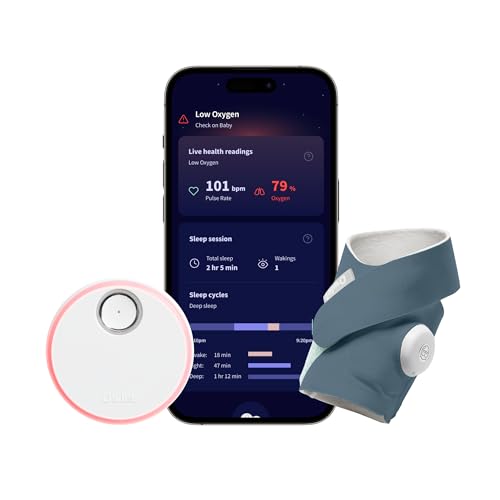
What is Owlet Dream Sock? Dream Sock is the #1 best selling smart baby monitor (Source: Circana, Jan–Dec 2025) in the US that tracks your baby's pulse rate and oxygen levels in real-time and sends alerts when those readings leave the preset zones, delivering priceless peace of mind so the whole family can sleep better.
Factors That Can Affect Your Baby’s Movement
Understanding why your baby’s movements change can help you know when to be concerned. Several factors can influence how and when you feel your baby move:
• Maternal health conditions like placental insufficiency can reduce oxygen supply to your baby, potentially decreasing movement
- Fetal positioning and placenta location (especially anterior placentas) may mask movements until later in pregnancy
- Your baby’s sleep cycles (20-40 minutes) naturally reduce movement
- Lifestyle factors including:
- Tobacco, alcohol, or medication use
- Being busy or preoccupied
- Your own activity level
- Adopt a casual approach to monitoring rather than strict counting
- Understand that movement naturally varies throughout the day
- Practice deep breathing when checking for fetal movement
- Remember that most decreased movement episodes resolve quickly
- High-risk pregnancies with reduced movements show a 44-fold increased risk of stillbirth
- Movement monitoring markedly reduced stillbirth rates in high-risk pregnancies (OR 0.56)
- No standardized protocol exists, though most guidelines recommend starting at 28 weeks
- Low-tech, cost-effective approach
- Maternal perception serves as a sensitive indicator
- Most effective when individualized for each pregnancy
- Provides opportunity for intervention when changes occur
- Set aside 30 minutes daily to count movements
- Record the time it takes to feel 10 distinct movements
- Note patterns related to time of day, your activities, and meals
Your body composition matters too—women with higher BMIs may find it harder to detect subtle movements. For best perception, try lying on your side during your baby’s active periods.
Recommended Products

HEIGHT ADJUSTABLE Pregnancy Body Positioning System provides Weight Support for Pregnancy Massage and helps maintain complete muscular-skeletal alignment whilst offering face down comfort during massage treatments

ADJUSTABLE AND ERGONOMIC — extra long shape and micro-bead filling offers 5-point body support where new mom's need it most: belly, pelvis, lower back, knees and ankles; fasten pebbles on both ends to increase or decrease firmness

Ultimate Full-Body Support: This U-shaped pregnancy body pillow offers full 360° support for your bump, back, hips & knees. A must-have maternity pillow for pregnant women seeking comfort, alignment, and better sleep throughout every trimester.
Managing Anxiety While Monitoring Fetal Activity
Monitoring your baby’s movements, while essential for safety, can sometimes trigger anxiety as you wait for those reassuring kicks and rolls. This concern is normal, but there are effective anxiety management strategies you can use:
I recommend creating a relaxed routine for monitoring—perhaps while lying down after meals when babies are often most active. If you’re feeling overwhelmed, talk with your healthcare provider. They can provide reassurance and personalized guidance based on your specific situation. Understanding normal patterns will help distinguish between typical variations and concerning changes.
Scientific Evidence Behind Movement Monitoring Guidelines
The scientific foundation for fetal movement monitoring has evolved greatly since its emergence in the 1970s and 1980s. Research has consistently shown that decreased movement can signal potential problems.
Key fetal movement research findings:
Current monitoring techniques vary, but they share common principles:
While evidence quality ranges from low to high, the consensus remains that tracking movement creates valuable opportunities to protect your baby.
Creating a Personal Movement Baseline for Your Pregnancy
Once you’ve reached the second half of your pregnancy, establishing a personal baseline of your baby’s movement patterns becomes essential for monitoring their well-being. Your baby’s movements are unique, and understanding what’s normal for your pregnancy is vital.
Start personal tracking during a time when your baby is typically active:
Most women notice their babies are more active after meals or in the evening. By consistently monitoring over several days, you’ll recognize your baby’s unique movement patterns. This baseline becomes your reference point for identifying potential concerns that warrant contacting your healthcare provider.
Frequently Asked Questions
Can Stress or Anxiety Affect My Baby’s Movement Patterns?
Yes, my stress and anxiety can affect my baby’s movement patterns. The stress impact might increase or decrease fetal activity, while anxiety effects can alter how I perceive my baby’s movements during pregnancy.
Does the Position of the Placenta Influence Fetal Movement Detection?
Yes, placenta location definitely impacts how you feel fetal mobility. With an anterior placenta (positioned at the front of your uterus), I often tell my patients they’ll feel movements later and less intensely than others might.
Should Movement Monitoring Change for Twin or Multiple Pregnancies?
Did you know twin pregnancies account for about 3% of all births? When I monitor my twin pregnancy, I’ll follow similar guidelines, but I may notice movements differently due to space constraints with multiple births.
Can Certain Foods or Drinks Stimulate Fetal Movement?
Yes, I’ve found that dietary influences can trigger fetal movement stimulation. When I eat a meal or snack, especially protein with complex carbs, or drink cold water or juice, my baby often becomes more active.
Do Babies Have Consistent Sleep Schedules in the Womb?
Just like snowflakes, no two babies are the same in the womb. I can tell you that fetal activity and sleep cycles vary widely. Your baby’s sleep patterns typically last 20-40 minutes, alternating with active periods.