As an Amazon Associate, we earn from qualifying purchases. Some links on this site are affiliate links at no extra cost to you. Our recommendations are based on thorough research and editorial judgment.

How to Safely Clean Your Baby’s Ears

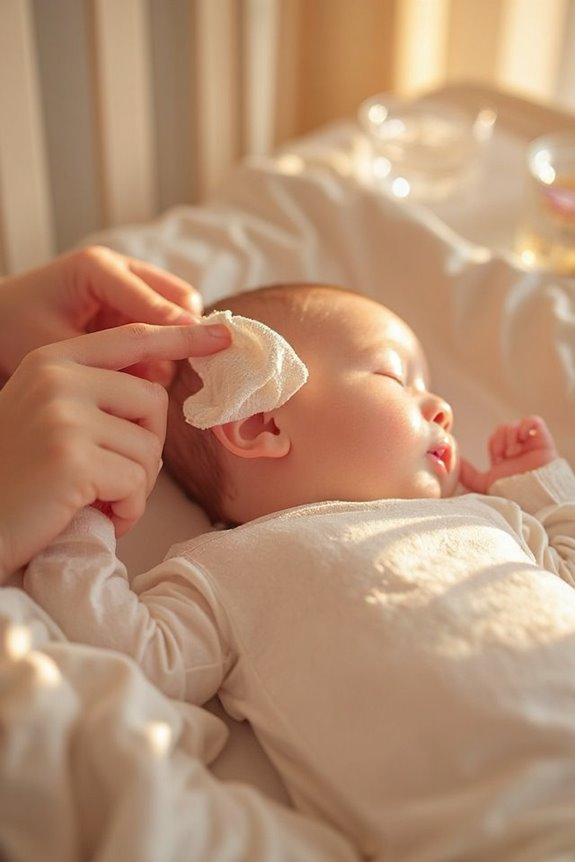
To safely clean your baby’s ears, use a soft washcloth dampened with warm water, cleaning only the visible outer ear. Never insert cotton swabs or any objects into the ear canal, as this risks injury and pushing wax deeper. Watch for signs that cleaning is needed, like ear tugging or visible wax near the opening. Clean during bath time when skin is moist, and thoroughly dry afterward. The following techniques will help you maintain proper ear hygiene without risking damage.
Key Takeaways
- Use a soft, damp washcloth to gently clean only the outer ear and visible areas.
- Never insert cotton swabs or any objects into your baby’s ear canal.
- Clean ears during bath time when skin is soft, then thoroughly dry afterward.
- Watch for signs like ear tugging or visible wax that indicate cleaning may be needed.
- Remember that earwax is protective and most babies’ ears are self-cleaning.
Understanding the Anatomy of Baby Ears
You may be interested

A baby’s ear is a marvel of intricate design. The outer portion (pinna) consists of delicate cartilage covered by skin, except for the soft, fat-filled earlobe. This unique structure funnels sound into the ear canal, which leads to the eardrum—a thin membrane separating the outer and middle ear.
Key ear anatomy features to know:
- The ear canal naturally produces earwax (cerumen) as protection
- The ear’s self-cleaning mechanism moves wax outward
- The delicate eardrum can be easily damaged by inserted objects
- The inner ear contains essential structures for hearing and balance
Understanding these ear functions helps explain why proper cleaning techniques matter. A baby’s ears are particularly sensitive, with cartilage that’s softer and more flexible than an adult’s.
Signs Your Baby’s Ears Need Cleaning
With understanding of your baby’s ear anatomy, you’ll now want to recognize when those tiny ears actually need cleaning. Most babies don’t require frequent ear cleaning, but certain signs indicate attention is needed:
- Your baby tugs or pulls at their ears, showing ear discomfort
- Visible wax near the outer ear canal opening
- Rubbing or excessive poking at ears
- Changes in hearing response (not reacting to sounds)
- Irritability accompanied by infection symptoms like fever or runny nose
Watch for signs of earwax buildup:
- Complaints of ear fullness or pain
- Unusual odor or discharge from the ear
- Increased fussiness during feedings or when lying down
I recommend seeking professional help if you notice persistent ear tugging, visible blockage, or any discharge—these may require medical attention rather than home cleaning.
Recommended Products

ALL IN ONE PICKER: 3-in-1 multifunctional design combines specialized tools for nose boogers, ear wax and nail care in one convenient product. All in one picker eliminates the need for multiple grooming tools while ensuring you always have the right tool for baby hygiene

BABY ESSENTIALS: Dr. Talbot's Ear Wax Removal Tool and Nose Cleaner for Baby will help your little one breathe and sleep easier by gently removing dried mucus and ear wax build-up

Ear Wax Removal Tool For The Whole Family: Our carefully designed ear wax removal kit with light is suitable for family members of all ages. From a soft spoon head that cares for children's delicate ears to a precise tool for adults' deep cleaning, this ear wax removal tool with light will bring you an unprecedented ear care experience
Safe Tools and Techniques for Outer Ear Cleaning
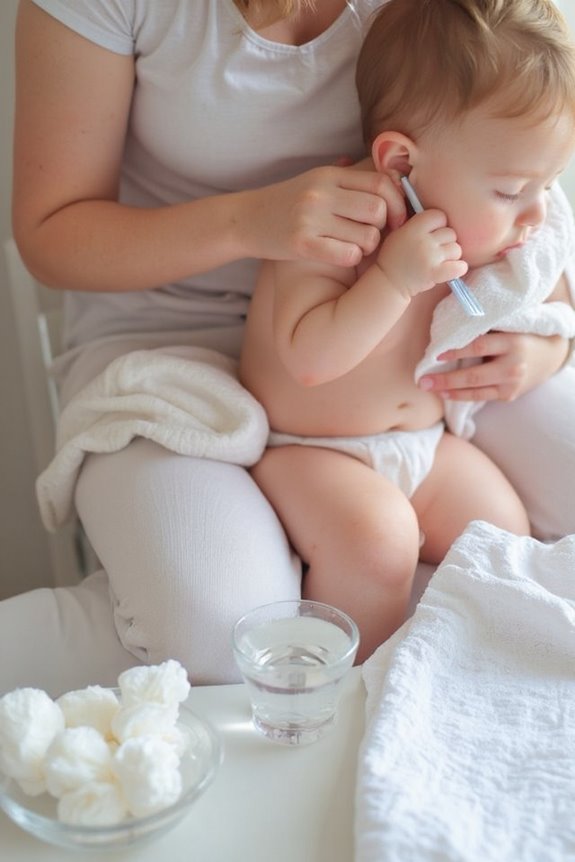
Properly cleaning your baby’s ears requires the right tools and gentle techniques to guarantee their safety and comfort. When it comes to baby ear cleaning, I recommend these proven methods:
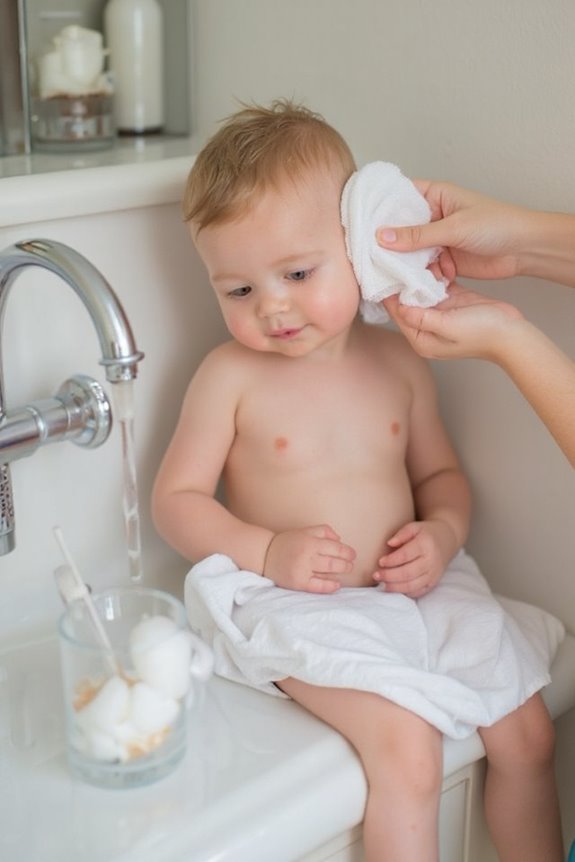
- Use a soft washcloth dampened with warm water to gently wipe the outer ear.
- Clean only what you can see—never insert anything into the ear canal.
- Consider specialized tools like the Oogiebear or Oto-Tip Starter Kit designed specifically for babies.
- Perform ear cleaning during bath time when the skin is already moist.
- Thoroughly dry the ears afterward to prevent moisture buildup.
Remember to avoid cotton swabs inside the ear canal, as they can push wax deeper or damage delicate tissues. Gentle techniques that focus only on the outer ear protect your baby while maintaining proper ear hygiene.
Recommended Products

【Built-in Storage Space】 This ear cleaning kit has a distinctive built-in storage space that can store 2 ear picks without worrying about losing ear picks. The length and weight of this ear wax cleaner is only 4.72 inches, 0.42 ounces, lightweight and space-saving, fits in your handbag wherever you go.

BEAR-ABLE SAFETY AND COMFORT - oogiebear's special rubber scoop and loop are gentle enough for sensitive little noses and ears and firm enough to clean quickly and effectively while the patented bearhead design ensures it never goes up too far.

GENTLE FORMULA FOR LITTLE EARS: NAVEH PHARMA CleanEars Baby is a mild spray made to gently soften everyday earwax in the outer ears of infants and children. The gentle composition is designed with little ones in mind, helping keep small ears feeling clean and comfortable as part of a daily routine
Common Mistakes to Avoid When Cleaning Baby Ears
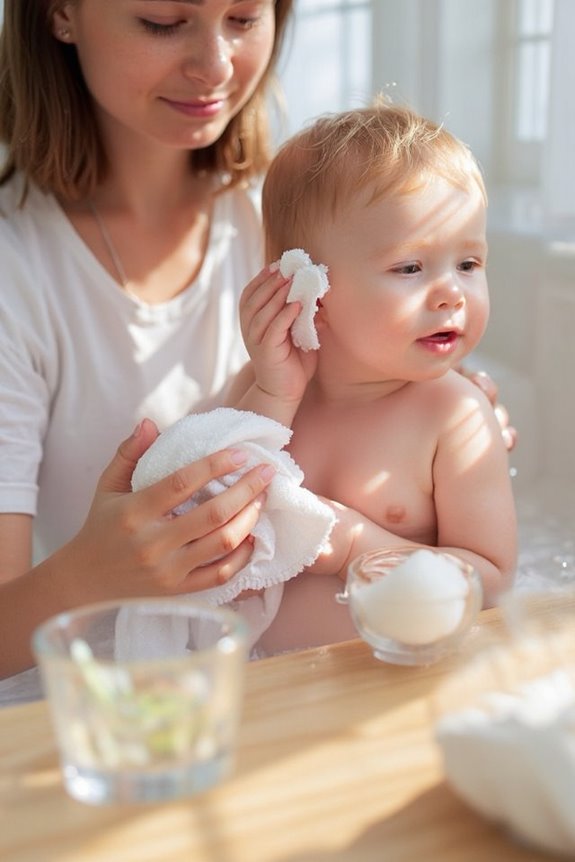
Many parents unintentionally harm their baby’s delicate ears by using improper cleaning methods that can cause pain or injury. As I’ve learned through years of pediatric practice, common cleaning errors can compromise ear safety.
The most dangerous mistakes include:
- Inserting cotton swabs into the ear canal, which can push wax deeper or cause injury
- Using excessive force during cleaning
- Cleaning too frequently, which disrupts earwax’s protective function
- Allowing water to enter the ear canal during baths
- Using adult cleaning products not designed for babies
Recommended Products
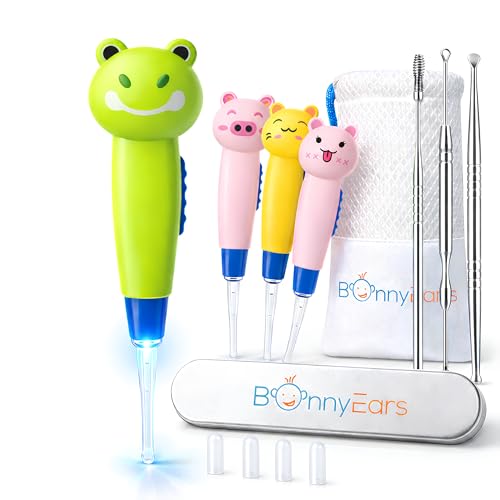
All-In-One-Pack: Ear wax remover kit has 4 animal shaped lighted ear picks(each has 3 different tips) and also 3 stainless steel ear picks. Large spoon(curette), small spoon, and tweezer. Kids, toddlers and babies who are under the age of 7, can be removed the ear wax from their ears with small spoon easily. Also children over 7 and adults, can be removed the ear wax with large spoon. Besides, there is a tweezers that you can grip larger ear wax efficiently.

👶 【3 in 1 Snot booger and Ear wax Cleaner for Baby】:Dabria baby gadget is among parents' top baby essentials for Infant registry. The scoop end removes dried boogers from a newborn's nose or clean ears and the loop end lassos sticky snot.

【SUITABLE FOR ALL AGES】-The kit comes with LED lights and 4 ear scoops, which also comes with two silicone ear scoops and a 2x magnifying glass to make it easier to see the ear canal, and its soft rounded scoop tips are ideal for ear wax removal for kids and adults. Our ear tweezers with light effectively treat both dry and wet earwax.
Managing Earwax Buildup in Infants
Why do babies develop earwax buildup, and when should parents be concerned? While infant earwax serves important protective functions—trapping dirt and providing antimicrobial benefits—some babies naturally produce more than others. Buildup typically occurs when:
- Objects like cotton swabs push wax deeper into the canal
- Fingers are inserted into ears
- Earplugs are used
- Water becomes trapped behind wax
Watch for these warning signs:
- Ear tugging or rubbing
- Increased fussiness
- Apparent hearing difficulty
- Sensation of fullness (indicated by discomfort)
I only recommend removal when symptoms are present—not as routine cleaning. The safest approach is to clean only the outer ear with a damp cloth and seek professional care for persistent issues. Remember that earwax itself isn’t harmful unless it causes blockage or discomfort.
Recommended Products

GENTLE EARWAX SOFTENING: This easy-to-use spray is formulated to gently soften and loosen everyday earwax buildup in the outer ear, helping it work its way out naturally with regular use. Your ears are left feeling clean and comfortable, with no need for cotton swabs or manual tools.

Debrox Ear Wax Removal Drops use microfoaming action to gently soften and loosen excess ear wax, allowing it to easily drain

FAST-ACTING EARWAX DISSOLVING DROPS: eosera Ear Wax MD for Kids is designed to help break down and dissolve earwax buildup quickly; Supports effective ear cleaning
When to Consult a Pediatrician About Ear Concerns
Knowing when to seek medical attention for your baby’s ear problems can be challenging for new parents. I recommend contacting your doctor promptly if you notice:
- Fever of 102.2°F or higher in babies over three months
- Severe ear pain or persistent tugging at ears
- Symptoms lasting more than 2-3 days
- Any ear concerns in infants under six months
- Bloody or pus-like discharge from the ear
Trust your instincts—if your baby seems unusually irritable, has trouble sleeping, or shows decreased appetite, these could signal an ear infection requiring pediatric evaluation.
For recurring issues (three or more infections within six months), your doctor might refer you to an ENT specialist who can assess whether pressure equalization tubes are needed to prevent long-term hearing problems.
Preventing Ear Infections Through Proper Hygiene
Ear infections can greatly impact your baby’s comfort and health, yet many cases are preventable through consistent hygiene practices. I’ve found that focusing on a few key ear infection prevention strategies can make a significant difference:
- Keep your baby away from secondhand smoke, which increases infection risk
- Practice regular hand washing to prevent spreading germs
- Make certain ears are thoroughly dried after bathing
- Clean only the outer ear with a soft washcloth
- Never insert cotton swabs or other objects into the ear canal
Breastfeeding provides natural antibodies that help protect against ear infections. If possible, continue breastfeeding for as long as recommended by your pediatrician. Additionally, staying current with vaccinations—particularly the PCV13 vaccine—offers critical protection against bacteria commonly responsible for ear infections.
Recommended Products

Long-Lasting and Machine Washable: Crafted from long-lasting coral fleece fabric, our baby towels are not only luxuriously soft but also built to last. They can withstand repeated machine washing without losing their softness or shrinking. By choosing these reusable and machine washable baby bath towels, you can reduce waste and save money in the long run

Soft & Gentle Muslin Washcloths: Crafted from 100% premium muslin cotton, Comfy Cubs baby washcloth is specially designed for delicate, sensitive baby skin. Great for keeping your newborn clean and comfortable during bath time.
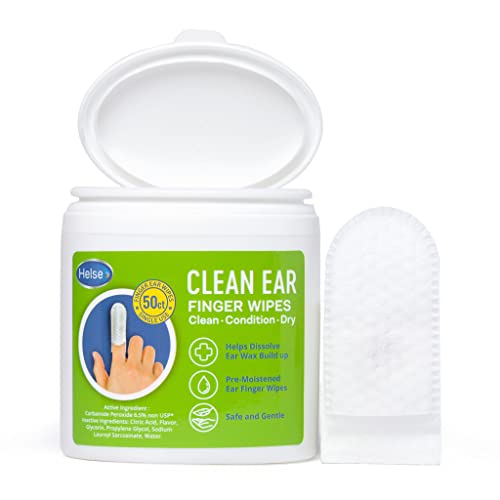
Soft-Soothing pre-moistened Finger Wipes; to help Clean Ears and remove Earwax. Simple and safe to use.
Frequently Asked Questions
Can Swimmer’s Ear Affect Babies Who Don’t Swim?
Yes, I’ve seen swimmer’s ear in non-swimming babies. It’s caused by moisture and irritation, not just swimming. Watch for infant symptoms like fussiness, ear-pulling, and discharge after baths or in humid conditions.
How Does Teething Relate to Ear Problems in Babies?
Like trains on parallel tracks, teething and ear problems can seem connected. I’ve seen teething symptoms mimic ear discomfort when babies pull their ears, but teething doesn’t directly cause ear infections.
Should Ear Cleaning Routines Change as Babies Grow Older?
Yes, I’ll adjust my ear cleaning techniques as your baby reaches different developmental milestones. I’ll move from simple outer-ear wiping for newborns to teaching toddlers basic self-cleaning skills as they grow more independent.
Can Ear Infections Cause Delays in Speech Development?
While you might not notice at first, ear infections can absolutely delay speech milestones. I’ve seen how fluid buildup muffles sounds, impacting a child’s hearing and communication skills during critical development periods.
Is Earwax Color an Indicator of Health Problems?
Yes, I’d say earwax color can indicate health issues. Different earwax types (green, black, or blood-streaked) have specific health implications like infections or injuries, while normal earwax ranges from yellow to light brown.