As an Amazon Associate, we earn from qualifying purchases. Some links on this site are affiliate links at no extra cost to you. Our recommendations are based on thorough research and editorial judgment.

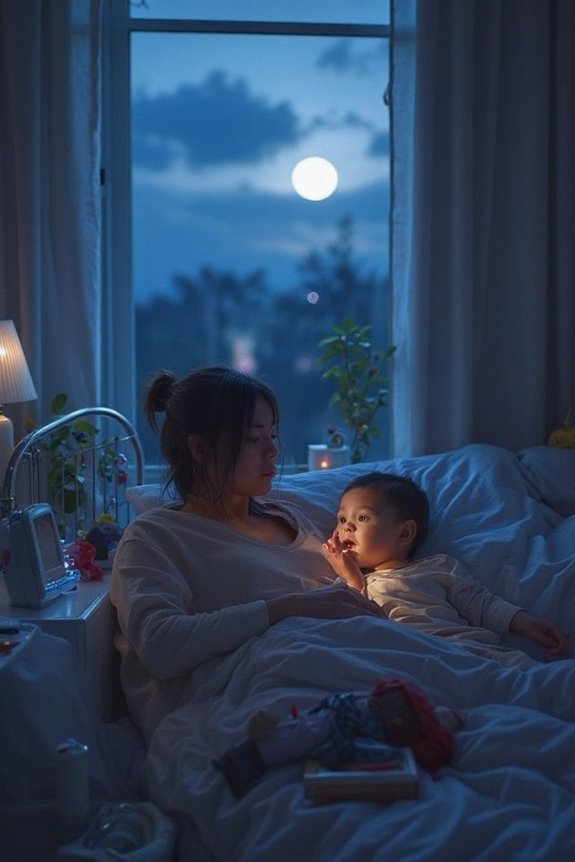
Understanding Why Babies Fight Sleep

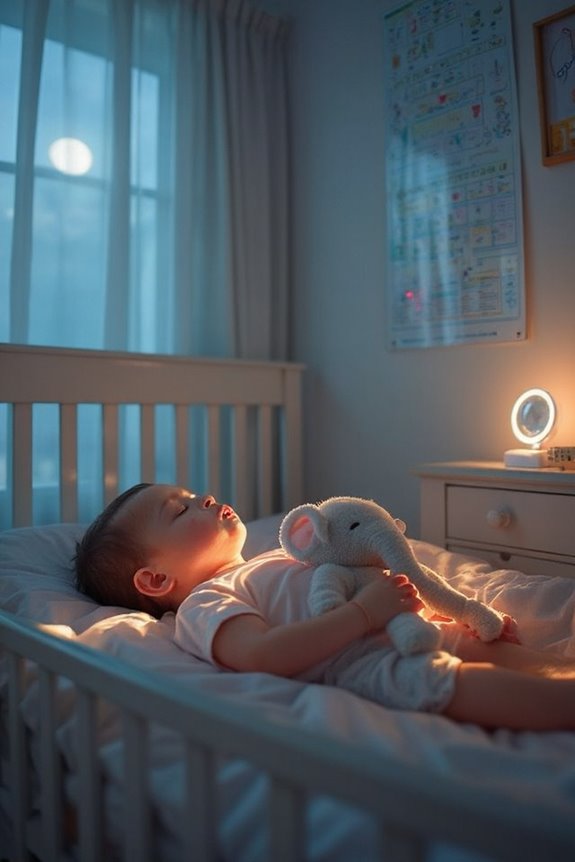
Babies fight sleep primarily due to biological factors. Their short sleep cycles (40-50 minutes) cause frequent wake-ups, while overtiredness triggers cortisol surges making it harder to settle. Developmental milestones like rolling, crawling, and cognitive leaps often disrupt sleep patterns. Creating a consistent bedtime routine in a dark, quiet environment (68-72°F) helps babies develop healthy sleep associations. Placing babies on their backs on firm mattresses supports safe sleep. The following sections explore effective strategies to help your little one rest peacefully.
Key Takeaways
- Overtiredness triggers cortisol and adrenaline surges, making it harder for babies to settle into sleep.
- Babies have shorter sleep cycles (40-50 minutes) than adults, leading to more frequent wake-ups.
- Developmental milestones like rolling, crawling, and walking can temporarily disrupt sleep as babies practice new skills.
- Environmental factors including noise, light, temperature, and inconsistent routines contribute to sleep resistance.
- Babies are still developing their circadian rhythms and learning to self-regulate their sleep mechanisms.
The Science Behind Infant Sleep Resistance
You may be interested

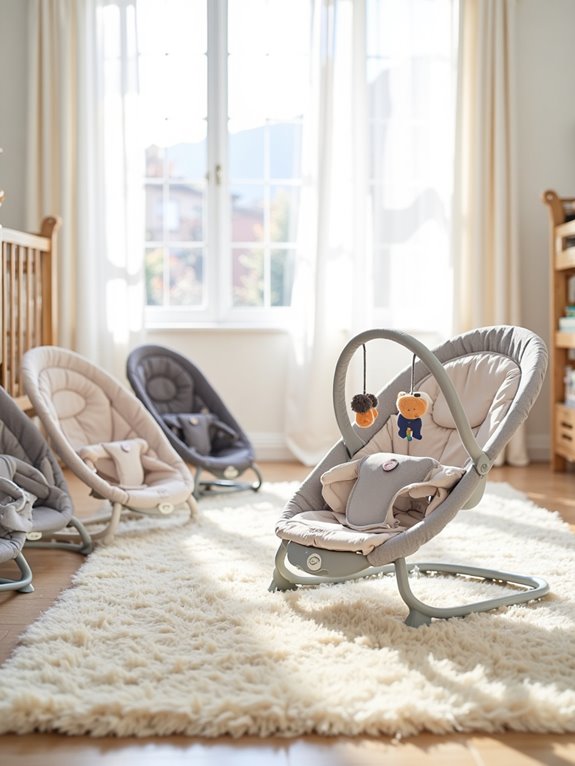
While most parents expect their newborns to simply fall asleep when tired, the reality of infant sleep is far more complex. I’ve found that understanding the physiological aspects can help manage your expectations.
Babies’ sleep cycles differ considerably from adults’. Their cycles are shorter (about 40-50 minutes), causing more frequent wake-ups throughout the night. This natural development can appear as sleep resistance.
Hormonal influences play a critical role too:
- Overtiredness triggers cortisol and adrenaline surges
- These stress hormones make falling asleep harder
- Circadian rhythm development affects melatonin production
When your baby fights sleep, they’re often experiencing a biological response to these factors. Their developing brain and body are still learning to regulate these complex sleep mechanisms.
Common Signs Your Baby Is Fighting Sleep
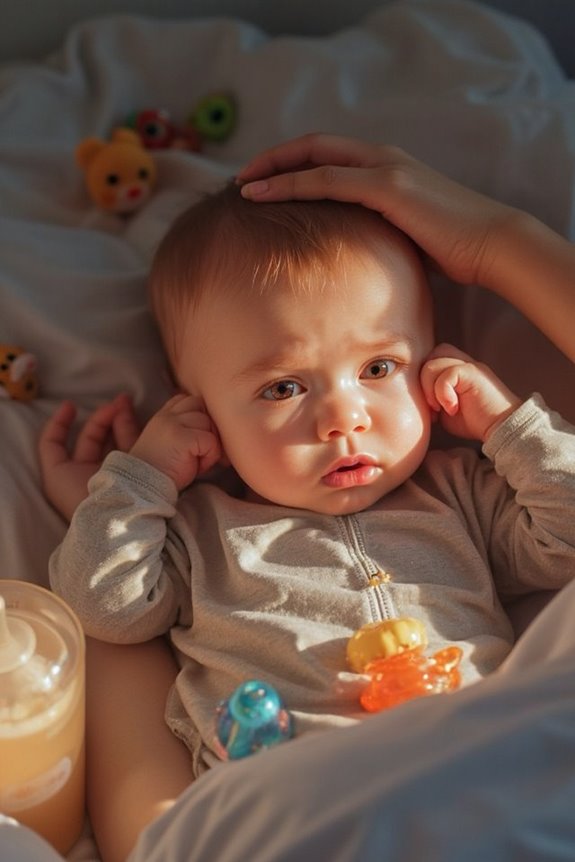
Now that we’ve explored the biological factors affecting your baby’s sleep, let’s focus on recognizing when your baby is actually fighting sleep. Understanding baby sleep cues is essential for addressing sleep fighting behaviors early.
Look for these key indicators:
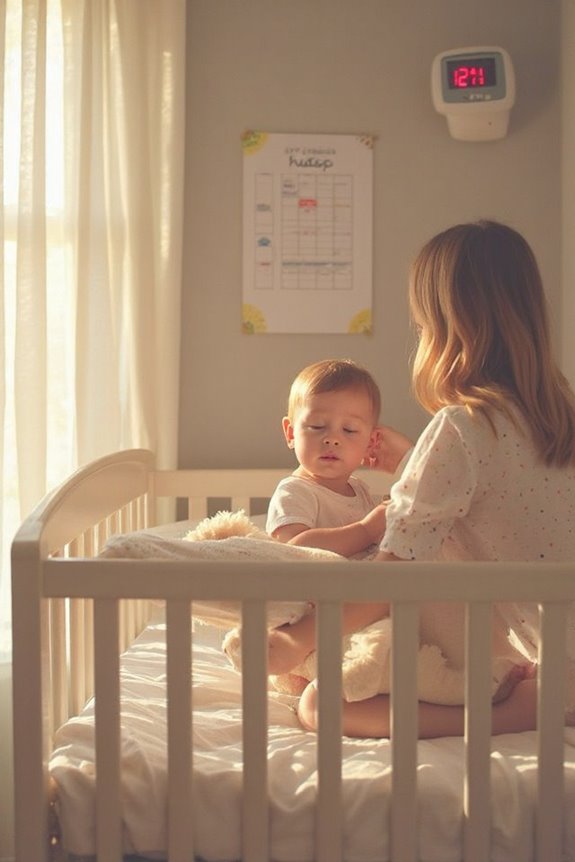
- Physical signs: Yawning, eye rubbing, and ear pulling while still resisting sleep
- Behavioral changes: Increased fussiness, difficulty settling down, or suddenly becoming more alert during bedtime
- Sleep pattern disruptions: Trouble falling asleep, shorter naps, and more frequent night wakings
Environmental factors often contribute to sleep resistance. A room that’s too noisy, bright, hot, or cold can make it harder for your baby to settle. Recent changes in routine may also trigger sleep fighting behaviors, as babies thrive on consistency.
Developmental Milestones That Affect Sleep Patterns
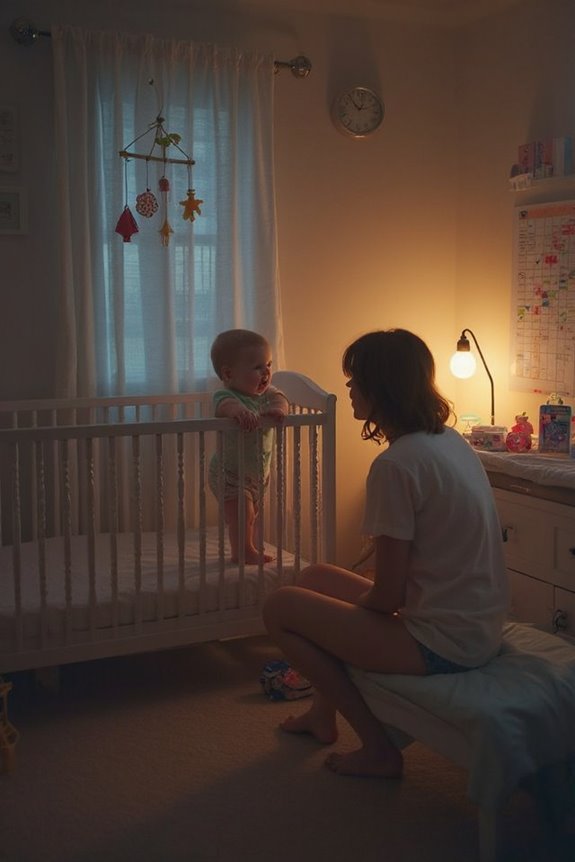
Your baby’s sleep patterns don’t exist in isolation from their overall development. As your little one grows, they achieve various milestones that can greatly impact their sleep:
- Rolling and sitting – These early skills often create milestone excitement that makes settling down difficult
- Crawling and standing – Increased physical activity during the day may affect nighttime sleep quality
- Walking – This major achievement can cause temporary sleep disruptions due to your baby’s desire to practice
- Cognitive development – New understanding of cause and effect leads to increased alertness
During the 4-6 month period, babies begin developing more adult-like sleep patterns. However, during growth spurts and developmental leaps, you may notice more frequent waking or resistance to sleep as their brains and bodies process new skills.
How Circadian Rhythms Impact Your Baby’s Sleep
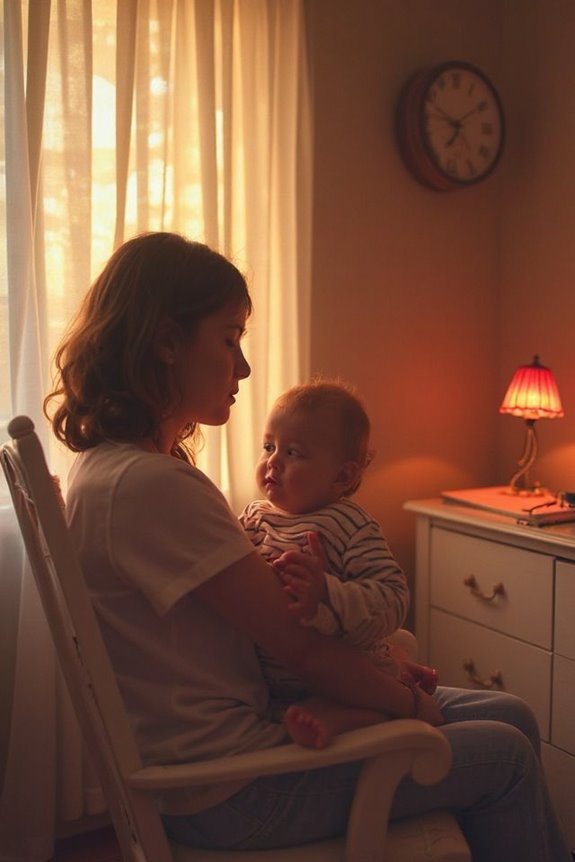
Understanding the development of circadian rhythms provides essential insight into why babies sometimes fight sleep. Your baby’s internal clock doesn’t fully function at birth – it develops gradually over the first few months of life.
Around 6 weeks, your baby begins developing circadian rhythms, with significant maturation occurring between 12-16 weeks. This development explains why:
- Newborns sleep erratically throughout day and night
- Older infants develop more consistent nighttime sleep patterns
- Light exposure strongly influences this development
Proper light exposure is vital – bright light during daytime and darkness at night help establish healthy sleep-wake cycles. By maintaining consistent sleep schedules and creating appropriate light environments, you’ll support your baby’s circadian maturation, potentially reducing sleep resistance as their internal clock develops.
Creating an Optimal Sleep Environment for Your Infant
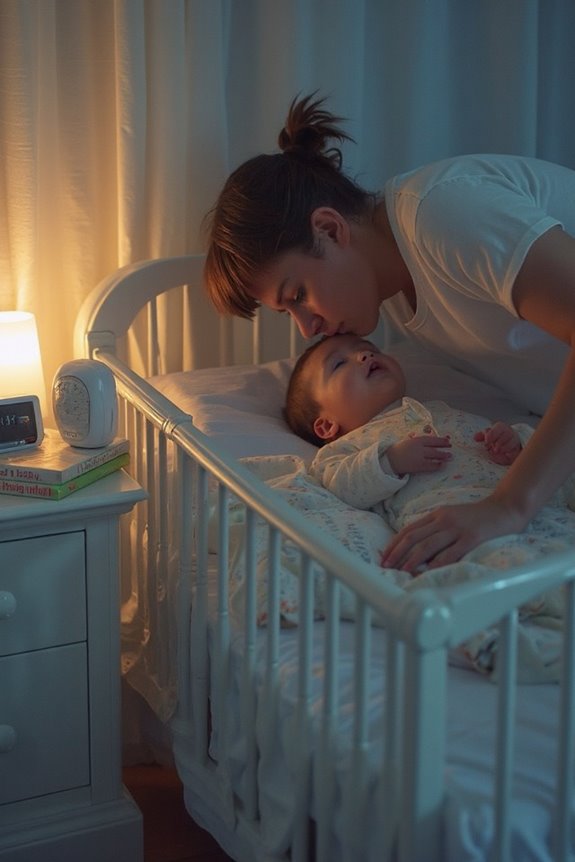
While many factors influence your baby’s sleep quality, the environment where they sleep plays a critical role in both safety and comfort. Creating an ideal sleep setup requires attention to several key elements:
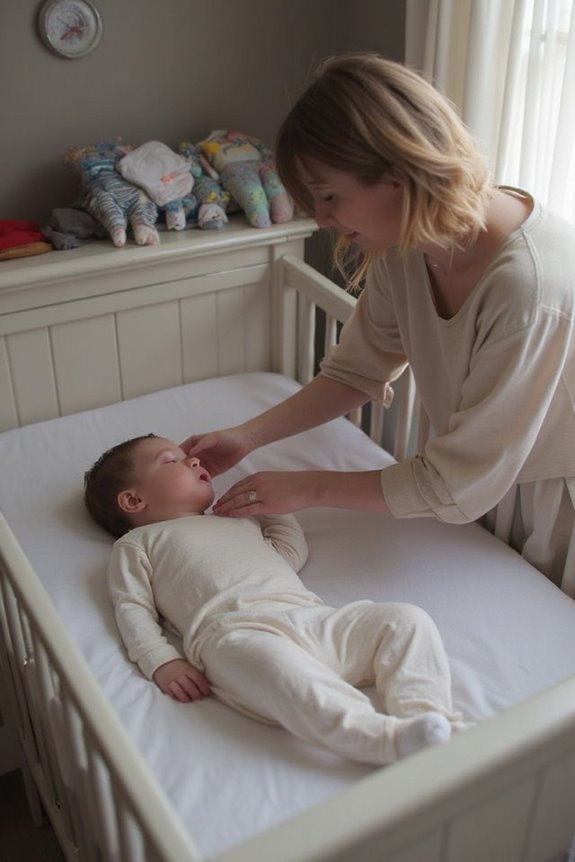
- Use a firm, flat mattress with a tight-fitting sheet in a safety-approved crib
- Always place your baby on their back for every sleep period
- Keep the room dark, quiet, and at a comfortable temperature (68-72°F)
- Remove all soft objects, toys, and loose bedding from the sleep area
Safe sleep practices are non-negotiable for your infant’s wellbeing. I recommend using wearable blankets instead of loose covers and regularly inspecting the crib for damage. Position the crib away from windows, cords, and electrical outlets. Consistent sleep environments help babies develop healthy sleep associations while minimizing SIDS and suffocation risks.
Recommended Products

100% Organic Cotton: Burt's Bees Baby Beekeepers are made from high-quality organic cotton. This wearable blanket is gentle on the infant's skin. Our newborn essentials are made of natural materials, keeping babies happy, comfortable, and safe.

Safe Sleep - Our baby sleep sack boasts a double-layer design, combining a 100% cotton lining with plush fleece fabric to deliver a gentle, skin-friendly touch for your baby's sensitive skin. Certified by the Consumer Product Safety Commission(CPSC), these baby sleeping bags ensure a secure and safe sleeping environment for your little one.

100% Organic Cotton: Made with GOTS-certified organic cotton that is gentle on delicate newborn skin. The premium combed and ring-spun organic yarn feels noticeably softer and more durable than traditional sleep sacks, holding up wash after wash.
Effective Bedtime Routines That Support Sleep
Once you’ve established a safe sleep environment for your baby, creating a consistent bedtime routine becomes the next powerful tool in your parenting arsenal. Research shows that consistency delivers significant bedtime benefits, including:
- Increased sleep duration (up to an hour longer)
- Reduced night wakings
- Earlier bedtimes
- Improved daytime behavior
I recommend keeping routines short—about 30 minutes—with calming activities like reading, gentle massage, or soft music. Dim the lights and reduce noise to signal sleep time.
Routine consistency helps babies develop healthy sleep patterns, with sleep problems decreasing as predictable patterns become established. Start implementing these routines early, as their positive effects extend beyond sleep to support cognitive development and emotional regulation.
Recommended Products

Relaxing Baby Gift Set: Johnson's Baby Sleepy Time Gift Set includes Calming Shampoo, Bedtime Bath and Bedtime Lotion with relaxing NaturalCalm aromas to help soothe babies and support bedtime routines

Calming Baby Lotion: Johnson’s Baby Bedtime Body Lotion features calming NaturalCalm scents to help soothe and relax baby before bed

The Role of Self-Soothing in Healthy Sleep Habits
As babies develop, their ability to self-soothe becomes an essential milestone in establishing healthy sleep patterns. Research shows infants placed in their cribs awake are more likely to develop this vital skill than those laid down already asleep.
Self-soothing techniques benefit both babies and parents:
- Infants who self-soothe experience longer consolidated sleep periods
- They enjoy higher percentages of quiet, restorative sleep
- They wake just as often as non-self-soothers but vocalize less, requiring fewer parental interventions
When implementing infant sleep training, consider:
- Gradually increasing the time you allow your baby to settle independently
- Maintaining consistent bedtime routines that signal sleep time
- Potentially relocating the crib outside your bedroom when developmentally appropriate
These approaches promote self-regulation skills that support healthy sleep-wake cycles throughout infancy.
Recommended Products


Managing Overtiredness and Sleep Regression
Sleep regression and overtiredness create a challenging cycle that many parents struggle to break. When babies experience developmental changes around 4 months (and at other milestone periods), their sleep patterns often deteriorate, leading to increased night wakings and nap resistance.
To manage this difficult phase:
- Maintain consistent bedtime routines to reinforce positive sleep associations
- Make environmental adjustments like dimming lights and reducing noise
- Watch for signs of overtiredness: fussiness, eye-rubbing, and increased crying
- Offer extra comfort during regression periods without creating new dependencies
Remember that not all babies experience regressions the same way. If your child’s sleep troubles persist beyond 2-3 weeks, consider consulting a pediatric sleep specialist for personalized strategies. The key is consistency while adapting to your baby’s changing developmental needs.
Recommended Products

PORTABLE STICK-ON BLACKOUT BLIND – Easily blackout any rooms windows no matter where you are! The SUN AWAY portable blackout curtain features durable suction cups, making it great when traveling or as a temporary window cover -- Large size of 66"L x 51”W

ENERGY SAVING: These blackout curtains act as an insulating barrier

Total blackout: With the Tommee Tippee Portable Blackout Blind you can create a completely dark sleeping environment and help maintain baby’s sleep routine, anywhere you go
Balancing Parent Well-being and Infant Sleep Needs
While every parent dreams of uninterrupted nights, the reality of caring for an infant often involves significant sleep disruption that can impact your physical and mental health. Research shows mothers average just 7.31 hours of sleep at 3 months postpartum, with some getting as little as 5.74 hours nightly.
Your sleep environment choices directly affect both parental sleep and infant well-being:
- Creating a consistently dark room adds approximately 28 minutes to your baby’s sleep duration
- Bottle feeding at bedtime can extend your infant’s longest sleep stretch by over an hour
- Unplanned co-sleeping often reduces both your sleep quality and your baby’s total sleep time
Finding balance requires establishing consistent routines while prioritizing your own sleep hygiene when possible.
Recommended Products

ROOM DARKENING COMFORT: Crafted with blackout fabric to help reduce sunlight, provide privacy and create a restful atmosphere for sleep, relaxation and everyday comfort. Ideal for bedrooms, nurseries and quiet afternoon naps.

ROOM DARKENING COMFORT: Crafted with blackout fabric to help reduce sunlight and create a more restful environment for sleep, relaxation and everyday privacy.

【Boho Patterned Design】Boho curtains are made from a linen-blend fabric that feels rustic yet stylish, detailed with embroidered stripes and handcrafted tassels. The textured finish adds a handmade charm and brings a touch of bohemian mid-century style to your space.
Frequently Asked Questions
Can Certain Foods in My Diet Affect My Breastfed Baby’s Sleep?
Yes, what I eat can affect my breast milk composition. My caffeine intake may make your baby more alert, while certain proteins and fats might influence sleep patterns. Moderation is key for both our benefits.
Is Co-Sleeping Beneficial or Harmful for Infant Sleep Patterns?
I’ve seen MOUNTAINS of evidence! Co-sleeping benefits include better self-regulation and longer breastfeeding, but co-sleeping risks like later bedtimes and safety concerns shouldn’t be ignored. It’s all about balancing what works for you.
How Do Premature Babies’ Sleep Patterns Differ From Full-Term Infants?
I’ve found that premature infant sleep patterns involve more active sleep but less total sleep time compared to full-term babies. They also reach developmental milestones in sleep consolidation later due to their continued external development.
Can White Noise Become a Sleep Dependency for Babies?
Certainly, consistent white noise can create sleep associations. I’ve found babies become dependent when they connect sleep solely with this sound. It’s why I recommend rotating sleep aids to prevent reliance on any one method.
Do Sleep Patterns in Infancy Predict Future Sleep Habits?
I’d say that infant sleep patterns may have some influence, but they don’t definitively predict future habits. Sleep training and environmental factors likely play a bigger role in shaping long-term sleep behaviors.