As an Amazon Associate, we earn from qualifying purchases. Some links on this site are affiliate links at no extra cost to you. Our recommendations are based on thorough research and editorial judgment.

How to Dress Your Baby for Sleep

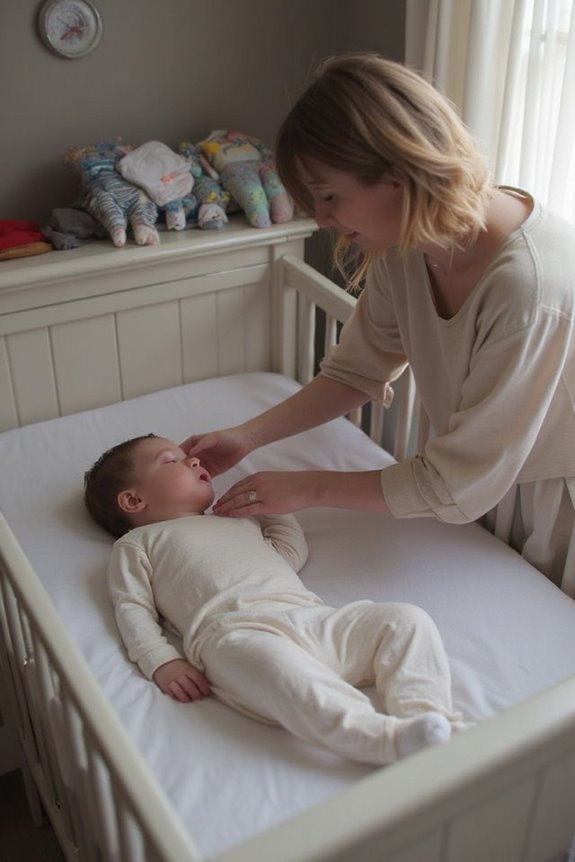
Dress your baby in temperature-appropriate layers, following the ABCs of safe sleep: Alone, Back, Crib. For winter, use warm footed sleepsuits; in summer, choose light muslin fabrics. Sleep sacks are safer than loose blankets and work even when baby starts rolling. Always place baby on their back, and keep the sleep area completely clear of objects. Monitor for signs of overheating like sweaty neck or flushed cheeks. The right sleepwear choices greatly impact your baby’s sleep quality and safety.
Key Takeaways
- Always dress baby in appropriate sleepwear based on the season—lighter clothing in summer, more layers in winter.
- Use sleep sacks or properly executed swaddles instead of loose blankets to maintain safe sleep practices.
- Check baby’s core temperature through their tummy or neck to ensure they’re not overheating or too cold.
- Keep room temperature between 68°F and 72°F for optimal sleeping conditions.
- Choose sleepwear with accessible zippers or snaps for easy diaper changes during the night.
Understanding Safe Sleep Basics for Infants
You may be interested
Do Babies Have Nightmares?
July 5, 2025
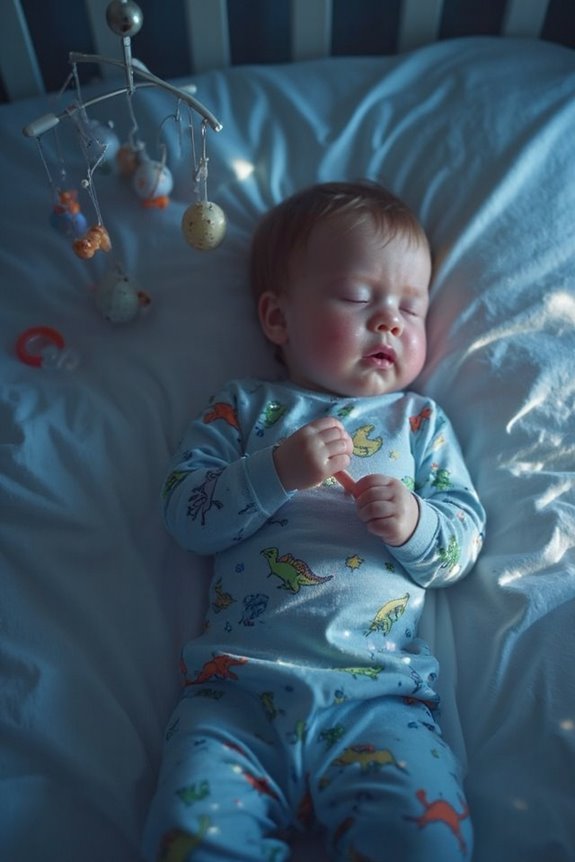
While getting your baby dressed for sleep is important, understanding the fundamental principles of infant sleep safety is absolutely critical. The ABCs of safe sleep should guide every parent’s approach:
- Alone: Your baby must sleep on their own surface – never in your bed
- Back: Always place baby on their back for every sleep
- Crib: Keep the sleep area completely clear of objects
A proper sleep environment includes:
- A firm, flat mattress with only a fitted sheet
- A safety-approved crib with bars spaced no more than 2-3/8 inches apart
- No bumper pads, pillows, blankets, or toys
Remember that most sleep-related infant deaths are preventable. Room-sharing (without bed-sharing) is recommended by the American Academy of Pediatrics for at least the first six months of your baby’s life.
Choosing the Right Sleep Clothing by Season
Because temperatures change throughout the year, you’ll need to adjust your baby’s sleepwear accordingly to guarantee they’re comfortable and safe. Understanding seasonal fabrics is key to maintaining your infant’s body temperature.
For temperature adjustments:
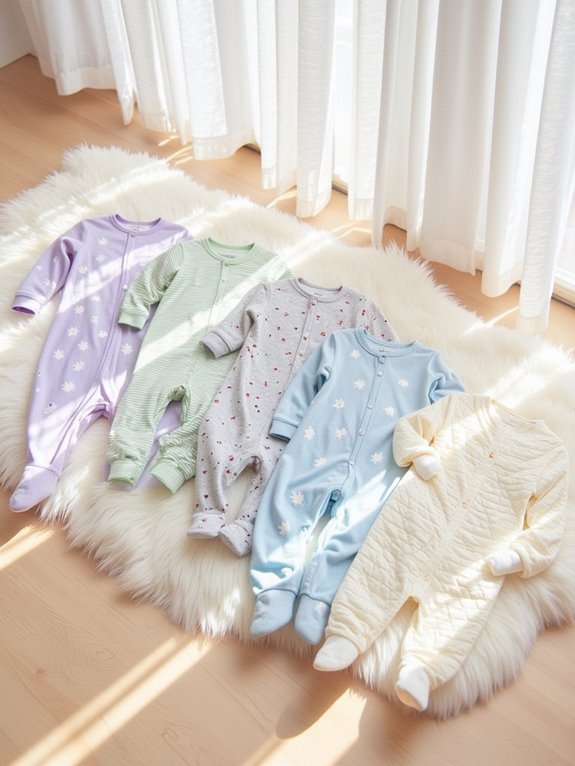
- Winter: Use multiple thin layers and warm fabrics like velour or thick cotton. Long-sleeved, footed sleepsuits provide extra warmth.
- Spring: Shift to lightweight cotton bodysuits. Be flexible as temperatures vary.
- Summer: Choose extremely light fabrics like muslin or cotton with minimal layers. Short-sleeved, footless suits allow better airflow.
- Fall: Return to light-medium layering with long-sleeved sleepsuits. Merino wool offers excellent temperature regulation.
Always check your baby’s core temperature by feeling their tummy or neck rather than hands or feet.
Recommended Products

Gentle and Comfy:Wrrernsin sleeping sack is crafted from 100% pure cotton fabric, soft and skin-friendly, with exceptional breathability to create a comfy sleeping space for babies. Meeting the safety standards of the US Consumer Product Safety Commission (CPSC), it ensures worry-free use for little ones. The 0.5 tog warmth level and sleeveless design effectively reduce underarm sweating, keeping babies dry and cozy all night—perfect for year-round use

[ULTRA-SOFT ORGANIC COTTON] Crafted from 100% GOTS-certified organic cotton, our sleep sacks are free from harmful chemicals. The breathable fabric is specifically designed for a baby’s ultra-sensitive skin, providing a soft and safe sleeping environment .

100% Cotton: Made from 100% cotton, our baby sleep sack applys top 10% of the premium cotton, which is more breathable and soft on delicate skin. 0.5 tog fit for moderate seasons. With this wearable blanket, your baby would neither get sweaty nor catch a cold.
Sleep Sacks and Swaddles: Benefits and Proper Use
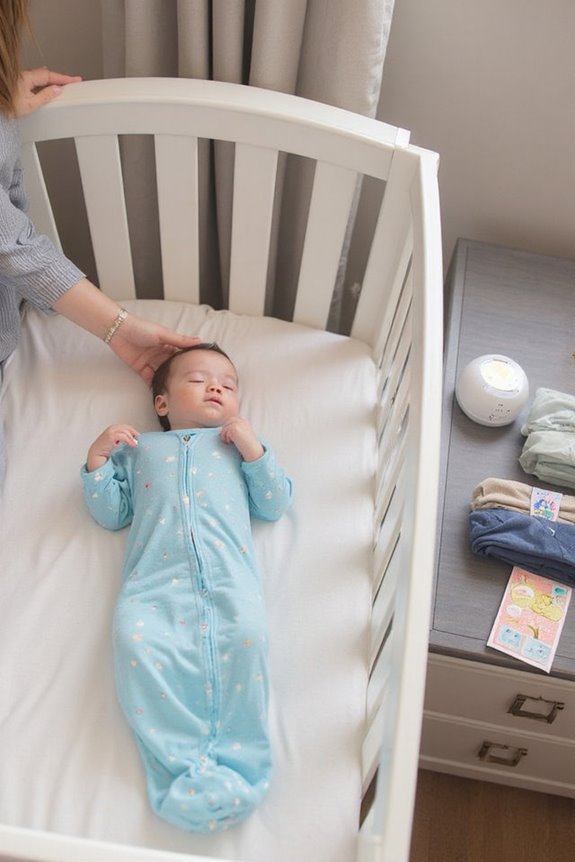
Since parents often struggle with safe sleep options, sleep sacks and swaddles have become essential tools in a baby’s sleep routine. I’ve found that understanding their differences is vital for your baby’s safety.
Sleep Sack Benefits:
- Allows free arm movement while keeping the torso warm
- Reduces SIDS risk by eliminating loose blankets
- Can be used safely even when babies start rolling
- Made with breathable materials to prevent overheating
Swaddle Safety:
- Mimics the womb environment and can soothe newborns
- Must be discontinued once baby shows signs of rolling
- Requires proper technique to avoid too-tight wrapping
- Provides tactile feedback that promotes deeper sleep
Always choose the right size and monitor your baby’s temperature regularly when using either option.
Recommended Products
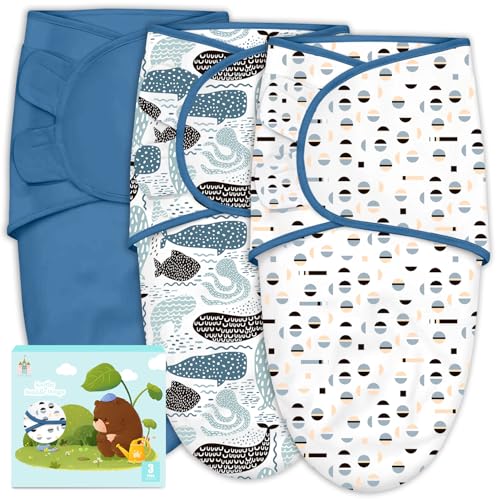
Ergonomic Support for Newborns' Growth - The Cute Castle Baby Swaddle Sack offers ergonomic hip support for infants during their first 3 months of growth. Suitable for babies aged 0-3 months, weighing 7-14 pounds, and measuring up to 26 inches in length.

Special Design: The waist of this swaddle is tightened to give the baby a slight sense of restraint, making the baby feel as safe as in the mother's womb. The loose bottom allows the baby's legs to maintain natural curvature, healthy development
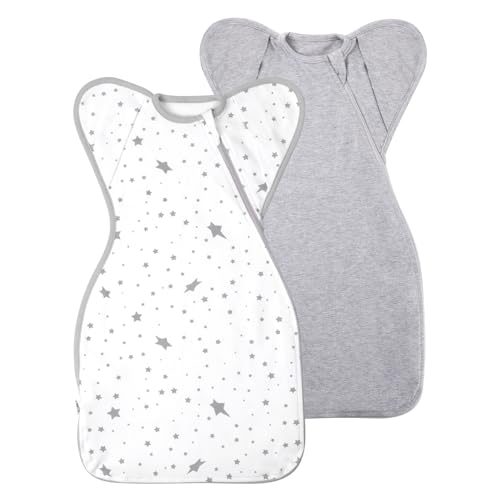
Sleep as Babies’ Like - Over 90% of babies sleep with their ARMS UP around their head when placed on their back to sleep. This is simply a newborn baby’s natural and preferred way to sleep. Knirose swaddle with scientific Arms Up design allows baby to sleep with their arms in their preferred ARMS UP position and gives enough movement, all while calming down the Moro (startle) reflex.
Signs Your Baby Is Too Hot or Too Cold
As your baby can’t tell you when they’re uncomfortable, you’ll need to watch for physical cues that indicate temperature issues. Proper temperature monitoring is essential for safe sleep.
Signs of Overheating:
- Flushed cheeks
- Sweaty neck or hair
- Rapid breathing
- Unusual restlessness
Signs of Being Too Cold:
- Cold hands and feet
- Lethargy
- Increased crying
- Pale skin
Following dressing guidelines can help maintain ideal temperature. If your baby shows signs of overheating, remove a layer of clothing or switch to a lower TOG sleep sack. For a cold baby, add a layer or use a warmer sleep sack, but avoid loose blankets.
Remember to check your baby regularly during sleep and maintain room temperature between 68°F and 72°F.
Nighttime Clothing Changes and Diaper Considerations
When night falls, managing your baby’s comfort becomes more challenging since you’ll need to navigate changes without fully waking them. I recommend preparing nighttime clothing in advance for minimal disruption.
Recommended Products

Soft & Comfort- Using 100% organic cotton material,our baby sleeper provides the softest experience for newborn babies. With highly breathable,these baby pajamas are suitable for sensetive-skin babies. The exquisite threading process ensures no extra threads to scratch your baby's skin.

Soft & Comfort- Using 100% organic cotton material,our baby sleeper provides the softest experience for newborn babies. With highly breathable,these baby pajamas are suitable for sensetive-skin babies. The exquisite threading process ensures no extra threads to scratch your baby's skin.

4-PACK NEWBORN SLEEP ESSENTIALS – Includes four soft cotton sleeper gowns designed for easy diaper changes and cozy overnight comfort. A practical addition to hospital bags and early layette wardrobes.
Nighttime Diapering Tips
- Choose the right size diaper to prevent leaks
- Consider overnight-specific diapers with higher absorbency
- Change as needed, but avoid unnecessary disruptions
Recommended Products

OVERNIGHT DIAPERS: Pampers are the #1 Brand*. For Sleep. (*Based on Nielsen volume sales L52W)

Huggies Overnites Size 6 Diapers: 84 Overnight Diapers (2 Packs of 42), size 6 (35+ lbs), packaging may vary

OVERNIGHT DIAPERS: Pampers are the #1 Brand*. For Sleep. (*Based on Nielsen volume sales L52W)
Clothing Adjustment Strategies
- Dress in layers that can be easily removed or added
- Select sleepwear with accessible zippers or snaps
- Monitor room temperature to guide clothing decisions
- Swaddles or sleep sacks count as one layer; adjust underlayers accordingly
Remember that maintaining a consistent routine helps establish healthy sleep patterns while ensuring your baby remains comfortable throughout the night.
Recommended Products
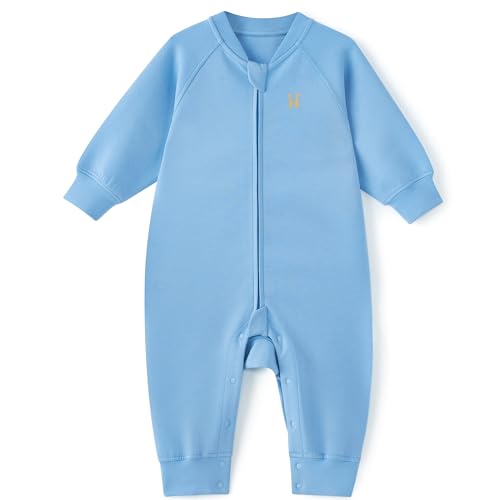
【☁️ Breathable 3D Air Layer Comfort】Crafted with soft 3D air-layer fabric, this baby sleep sack creates a lightweight, breathable, and cozy sleep environment for your little one. The air layer promotes airflow to help reduce stuffiness and overheating, keeping babies comfortably cozy all night long. Soft, fluffy, and gentle on delicate skin, it delivers cloud-like comfort for sleeping, lounging, crawling

IDEAL SLEEP SACK - BubblePanda baby sleep sack is made from luxurious rayon made from bamboo, known for its buttery softness. This hypoallergenic and breathable fabric helps regulate your baby's body temperature, wicking away sweat to create a soothing and comfortable atmosphere for babies' sleep.

#1 RATED Merino wool baby sleep sack – BEST-SELLING merino wool and organic cotton sleep sack since 2010, trusted by parents for safe sleep, comfort, and durability. Award-winning baby sleep bag (Creative Child Top Choice, Cribsie Award, Mom’s Choice Award)
Frequently Asked Questions
Can Babies Sleep in Footed Pajamas With Socks?
Like wrapping a burrito too tightly, I wouldn’t recommend socks with footed pajamas for your baby’s sleepwear. It’s overkill and risks overheating. The footies alone provide sufficient warmth for those tiny toes.
Should I Dress My Baby Differently for Naps Versus Nighttime?
I recommend dressing your baby the same for naps and night if the naptime temperature remains consistent. Focus on appropriate sleepwear materials for the room conditions rather than changing clothes based on time of day.
How Do Pacifiers Affect Baby’s Sleep Clothing Needs?
While pacifiers bring comfort to your baby, they don’t change how you should dress them. I recommend focusing on appropriate layers for room temperature. Pacifiers create sleep associations but won’t affect clothing needs whatsoever.
When Should Babies Transition From Swaddles to Regular Sleepwear?
I recommend shifting from swaddles when your baby shows signs of rolling, typically around 2-3 months. Then you can try swaddle alternatives like sleep sacks before moving to regular baby sleepwear around 12 months.
Is It Safe for Babies to Sleep in Hats Indoors?
I’d suggest letting your little one’s head stay uncovered during slumber. For hat safety, it’s best to skip them indoors as they can cause overheating. Indoor temperature control is preferable to hats for keeping baby comfortable.