As an Amazon Associate, we earn from qualifying purchases. Some links on this site are affiliate links at no extra cost to you. Our recommendations are based on thorough research and editorial judgment.


When Do Babies Start Sleeping 7pm to 7am?

Most babies begin sleeping from 7pm to 7am between 6-9 months, when their circadian rhythms mature and they can physiologically go longer without feeding. This milestone varies based on individual development, temperament, and parenting approaches. While some babies naturally consolidate sleep earlier (around 3-4 months), others may take until 12 months. Consistent bedtime routines and appropriate wake windows considerably influence when your baby achieves this sleep pattern. The journey continues with many factors affecting this shift.
Key Takeaways
- Most babies develop the ability to sleep through the night (7pm-7am) between 6-9 months of age.
- By 6 months, many babies can physically go 8+ hours without requiring nighttime feeding.
- Individual development varies widely, with some babies sleeping through earlier and others later.
- Consistent bedtime routines and appropriate sleep environments significantly impact when babies achieve this milestone.
- Circadian rhythm development around 3-4 months is a prerequisite for establishing longer overnight sleep patterns.
Understanding Baby Sleep Patterns
You may be interested

When I first started researching baby sleep patterns, I was surprised to learn that newborns don’t naturally sleep through the night from 7pm to 7am. This is because babies aren’t born with developed circadian rhythms that regulate day-night sleep cycles.
Here’s what I discovered about baby sleep cycles:
- Newborns spend about 50% of their sleep in REM sleep (active sleep)
- Their sleep cycles are initially very short and simplified
- They typically sleep 12-16 hours total, but in small chunks
- Day-night confusion is normal in the first few months
As babies mature, their sleep architecture gradually changes. REM sleep decreases from 50% to closer to 20%, and they develop more complex NREM sleep stages. Their sleep cycles begin to lengthen and consolidate, creating the foundation for eventual overnight sleeping.
Typical Milestones for Overnight Sleep
Three key developmental stages mark a baby’s journey toward sleeping through the night. Understanding these sleep milestones can help you set realistic expectations for your baby’s overnight sleep development:
- 3-4 months: Babies develop more predictable sleep cycles, with some beginning to sleep for longer stretches
- 6 months: Most babies can physiologically sleep 8+ hours without feeding, though sleep regressions may occur due to separation anxiety
- 8-9 months: Many babies drop to two naps, creating a more consistent overnight sleep pattern
During these changes, total daily sleep typically ranges from 10-16 hours. Your baby’s sleep environment becomes increasingly important as they become more mobile. Remember that individual development varies—some babies naturally achieve the 7pm-7am schedule earlier than others.
Factors That Influence Sleep Development
Although every baby develops at their own pace, multiple factors can greatly impact how quickly your little one adapts to a 7pm-7am sleep schedule.
Intrinsic factors like your baby’s temperament, developmental milestones, and genetic predispositions play significant roles. A calm temperament often correlates with earlier sleep consolidation.
Extrinsic factors include the sleep environment (dark, quiet, cool rooms promote better sleep) and feeding methods.
Sociodemographic influences such as education level and cultural practices affect sleep patterns, while caregiver behaviors like responsiveness and stress levels directly impact your baby’s ability to sleep through the night.
Physiological rhythms develop gradually, with circadian rhythms typically stabilizing after 12 weeks. Regular exposure to natural daylight helps regulate your baby’s internal sleep-wake clock.
Recommended Products
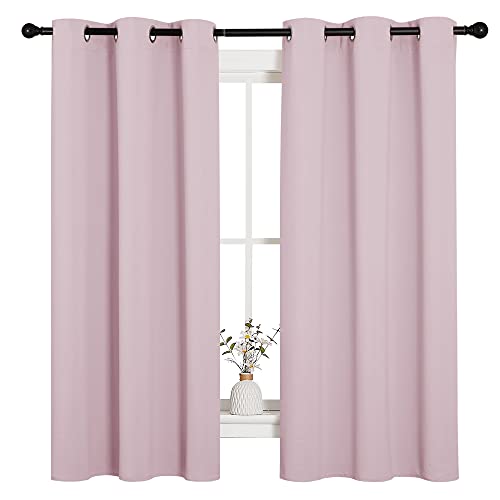
READY MADE: Set includes 2 BLACKOUT CURTAINS PANELS of 42" wide x 63" length with 6 grommets top each. Quality fabric without liner feels soft and heavy.

Package: 1 Panel beige cartoon blackout curtain, 42 inches wide by 84 inches long. Usually we suggest curtain width equals 2 times of window / pole width

ENERGY SAVING: These blackout curtains act as an insulating barrier
Creating an Effective Bedtime Routine
The foundation of your baby’s journey to sleeping through the night begins with a consistent, calming bedtime routine. These bedtime rituals serve as sleep signals, helping your little one understand it’s time to wind down.
Start simple with these key elements:
- Bath time
- Diaper change and pajamas
- Feeding in a quiet environment
- Gentle lullaby or short book
Your routine should begin 15-20 minutes before the end of your baby’s wake window, ideally within a 30-60 minute timeframe each night. As your baby grows, you can incorporate more steps like tooth brushing.
Gradually reduce your involvement to encourage self-soothing skills. By teaching independence early, you’re helping your child develop the emotional regulation needed for consolidated sleep—ultimately benefiting both your baby’s sleep quality and your own rest.
Recommended Products

2024 UPGRADED 2-IN-1 MORNING/BEDTIME ROUTINE CHART FOR KIDS - The easy-to-slide sliders make it simple for little hands, and the thicker material offers a premium feel. The top-to-bottom task slide-in design adds convenience, helping kids stay on track with their daily routines. A must-have for busy families!


2024 UPGRADED 2-IN-1 MORNING/BEDTIME ROUTINE CHART FOR KIDS - The easy-to-slide sliders make it simple for little hands, and the thicker material offers a premium feel. The top-to-bottom task slide-in design adds convenience, helping kids stay on track with their daily routines. A must-have for busy families!
Managing Nap Schedules for Better Night Sleep
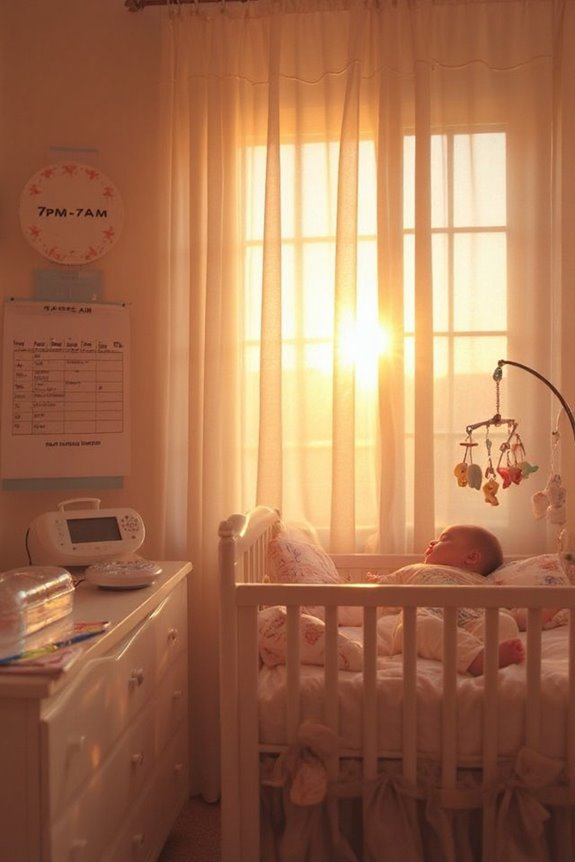
While a consistent bedtime routine forms the foundation of healthy sleep habits, your baby’s daytime nap schedule plays an equally essential role in achieving that coveted 7pm to 7am sleep pattern.
Around 9-12 months, babies typically shift to two naps daily, each lasting 1-2 hours. This change creates more predictable sleep patterns that support nighttime rest.
Optimizing Nap Duration:
- Aim for naps lasting at least 1 hour but no more than 2 hours
- Space naps evenly throughout the day
- Maintain consistent wake times
Addressing Sleep Associations:
Habits that help your baby fall asleep initially (rocking, feeding) can make it difficult for them to resume sleep after brief awakenings during naps. Gradually reducing these dependencies can lead to longer, more restorative daytime sleep and, consequently, better nighttime sleep.
Recommended Products
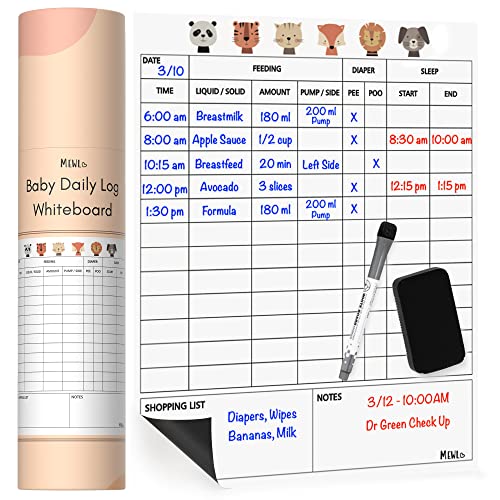
ALL IN ONE BABY TRACKER - Understand your baby’s routine and schedule by logging their feedings, diaper changes, and sleep times


Common Sleep Challenges and Solutions
Many parents face significant sleep challenges during their baby’s first year, even as they diligently work toward establishing that ideal 7pm to 7am sleep schedule. Sleep regression periods, where a previously good sleeper suddenly wakes frequently, can be particularly frustrating.
Common challenges include:
- Frequent nocturnal awakenings disrupting everyone’s rest
- Bedtime resistance when trying to establish consistent routines
- Increasing parental fatigue affecting daily functioning
- Suboptimal sleep environment conditions
I recommend these evidence-based solutions:
- Establish a consistent, calming bedtime routine
- Create an appropriate sleep environment (dark, quiet, comfortable temperature)
- Gradually teach self-soothing skills
- Make incremental adjustments to sleep schedules
- Monitor your baby’s cues and adjust accordingly
Remember that professional guidance is valuable for persistent sleep problems.
Recommended Products

Ergonomic & Safe - KeaBabies 2-Pack Soothe Baby Sleep Sacks, patent-designed, keep your baby safe and comfy. This full-length wearable blanket baby sleep sack 3-6 months fits newborn 0-6 months, feature a wide hip area for natural movement during sleep.

SAFE SLEEP MADE SIMPLE: Designed to keep your baby cozy and secure without loose blankets, it aligns with the American Academy of Pediatrics’ guidelines for safe sleep. HALO wearable blankets stay in place all night long, preventing your baby from kicking them off and waking up, so everyone enjoys uninterrupted sleep.

Ergonomic & Safe - KeaBabies 2-Pack Soothe Baby Sleep Sacks, patent-designed, keep your baby safe and comfy. This full-length wearable blanket baby sleep sack 6-12 months up to 18 months feature a wide hip area for natural movement during sleep.
Adjusting Sleep Schedules as Your Baby Grows
As your baby develops from a newborn to an infant, you’ll notice significant changes in their sleep patterns requiring thoughtful adjustments to their schedule. These changes coincide with their developing circadian rhythm.
Key adjustments to take into account:
- Wake window adjustments: Gradually increase awake time between naps as your baby grows. By 6 months, wake windows typically extend to 2-3 hours.
- Nap shifts: Around 6-8 months, babies typically move from three naps to two, requiring schedule modifications.
- Sleep training strategies: While not generally effective before six months, sleep training becomes more viable as your baby’s circadian rhythm strengthens.
Remember that babies develop at different rates. By monitoring your child’s cues and maintaining consistency when possible, you’ll help them establish healthy sleep patterns that eventually lead to that coveted 7pm to 7am schedule.
Recommended Products

EASILY TRACK FEEDING, SLEEP & MORE – This feeding baby book is the perfect tool to track your baby’s feeding and sleep schedule, diaper changes, medication intake, and more, keeping all essential information organized and easy to reference.

Soft Smooth Fabric-This sleep sack is crafted from 95% rayon made from bamboo and 5% spandex, with 100% polyfill. Buttery-soft, breathable, and gentle on sensitive skin.. The Fiemol fabric holds OEKO‑TEX 100 Class I certification for infant‑grade products and meets CPC requirements. Kind to delicate baby skin.

EASILY TRACK FEEDING, SLEEP & MORE – This feeding baby book is the perfect tool to track your baby’s feeding and sleep schedule, diaper changes, medication intake, and more, keeping all essential information organized and easy to reference.
Frequently Asked Questions
Can Sleep Training Damage My Baby Emotionally?
I’ve heard sleep training myths that’ll emotionally scar your baby for life. But relax! Research shows it doesn’t harm emotional attachment. With proper implementation after 4 months, sleep training actually supports healthy development for you both.
Should I Wake My Baby for Feedings During the Night?
I wouldn’t wake your baby for night feedings after 4-6 months unless medically necessary. Their sleep cycles mature over time, allowing them to go longer without eating. Follow your pediatrician’s night feeding guidelines for your situation.
Do Formula-Fed Babies Sleep Longer Than Breastfed Babies?
While formula benefits may include slightly longer sleep stretches, research is mixed on whether formula-fed babies truly sleep longer overall. Both feeding types impact sleep patterns differently, but individual baby temperament matters more.
How Does Teething Affect a Baby’s Sleep Schedule?
Let me cut to the chase: teething symptoms like pain and irritability can throw a monkey wrench in your baby’s sleep schedule. You’ll notice frequent sleep disruptions, including nighttime wakings and shorter naps.
Can White Noise Machines Become a Sleep Dependency?
Yes, I’ve found white noise machines can create dependency. While they offer white noise benefits for those with sound sensitivity, I recommend using timers and gradually reducing reliance to prevent becoming dependent on them for sleep.