As an Amazon Associate, we earn from qualifying purchases. Some links on this site are affiliate links at no extra cost to you. Our recommendations are based on thorough research and editorial judgment.

Natural Ways to Reduce Fever in Babies

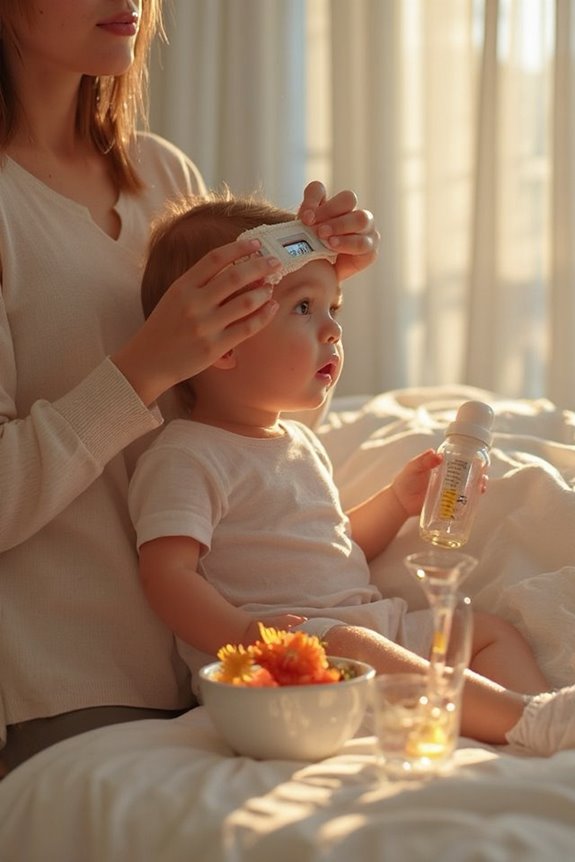
To reduce your baby’s fever naturally, offer frequent fluids and continue breastfeeding or formula. Dress them in light clothing and maintain a comfortable room temperature. Try lukewarm (not cold) sponge baths to help lower body temperature. For babies over 6 months, gentle herbal remedies like diluted lavender may help when used correctly. Remember, seek immediate medical attention for infants under 3 months with any fever or if serious symptoms appear. The following methods can help you safely manage your little one’s temperature.
Key Takeaways
- Use lukewarm water for sponging; avoid cold water which can cause shivering.
- Dress baby in lightweight, breathable clothing and maintain comfortable room temperature with good air circulation.
- Offer frequent small sips of fluids and continue regular feeding to prevent dehydration.
- Apply cool, wet cloths to the forehead for older babies while ensuring proper hydration.
- Consider gentle herbal remedies like diluted lavender baths after consulting with a pediatrician.
Understanding Fever in Babies: When to Worry
You may be interested

Can Babies Get a 103 Fever From Teething?
July 2, 2025
Can Babies Get Strep Throat?
August 18, 2025
When your baby feels warm to the touch, you’re likely dealing with a fever, which is simply your child’s body fighting off an infection. Contrary to popular fever misconceptions, most fevers in healthy babies aren’t dangerous—only about 1 in 100 children with fever have serious medical problems.
Common causes and what to know:
- Normal rectal temperature ranges from 96.8°F to 100.3°F
- Infants under 3 months with temperatures of 100.4°F or higher need immediate medical attention
- Serious warning signs include:
- Severe breathing difficulties
- Stiff neck
- Seizures
- Unusual sleepiness
- Dehydration (dry mouth, no tears)
I recommend seeking medical care if fever lasts more than 5 days in babies over 4 months old, especially if they have underlying health conditions.
Cooling Methods Without Medication
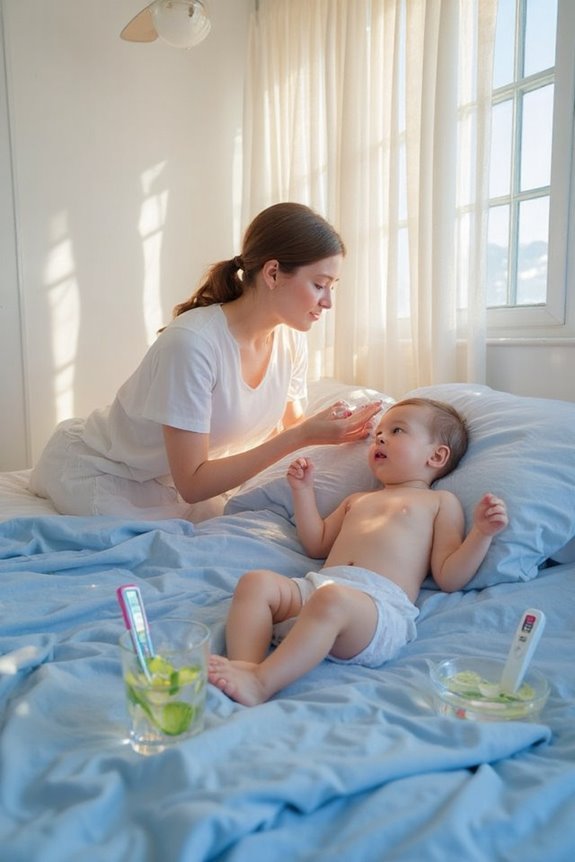
While your baby is fighting a fever, you’ll naturally want to provide relief without immediately reaching for medicine. Several cooling techniques can help reduce your little one’s temperature naturally.
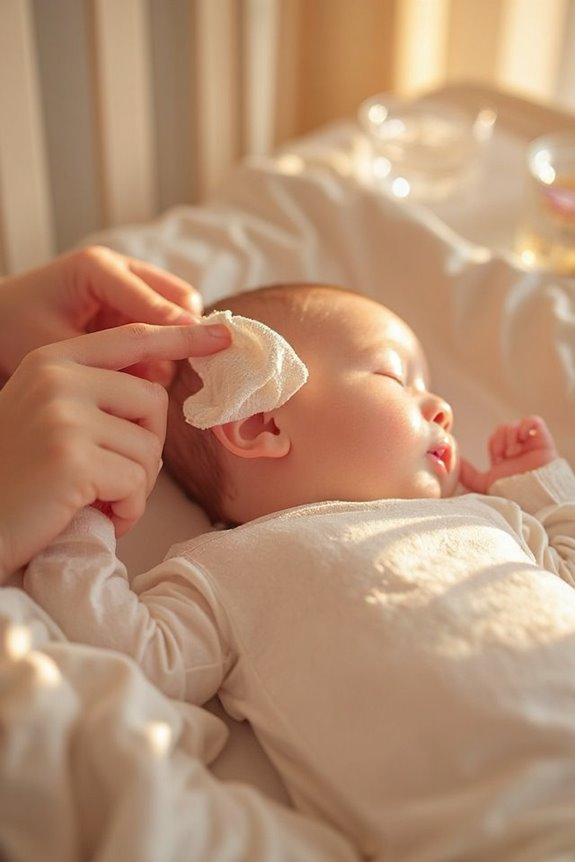
- Lukewarm Sponging: Gently sponge your baby with lukewarm water. Never use cold water as it can cause shivering.
- Appropriate Clothing: Dress your baby in lightweight, breathable clothes to allow heat to escape.
- Environmental Control: Keep the room at a comfortable temperature with good air circulation.
- Natural Remedies: For older babies, consider:
- Cool, wet cloths on the forehead
- Ensuring proper hydration with breast milk or formula
- Using diluted lavender in a bath (consult your doctor first)
- Offer frequent, small sips of fluids throughout the day
- Continue breastfeeding or formula feeding for infants
- Monitor urine color—pale yellow indicates good hydration
- Watch for warning signs like dry mouth, fewer wet diapers, or unusual fussiness
- Herbal Bath Bags: Fill muslin bags with yarrow, lavender, and chamomile for a soothing topical application.
- Essential Oil Mixture: For babies over 6 months, consider a diluted blend of lavender and ravintsara (15 drops each) with thyme (5 drops) in 7ml vegetable oil.
- Apply herbal bath infusions topically—ideal for babies under 2 years.
- For essential oil mixtures, gently massage onto chest and back up to six times daily for no more than two days.
- Maintain room temperature around 20°C with good ventilation
- Dress your baby in lightweight clothing
- Offer frequent breast milk or formula to prevent dehydration
- Use lukewarm (not cold) water for sponge baths
- Monitor for signs of proper hydration (tears when crying, moist mouth)
- Dress your baby in lightweight clothing to prevent overheating
- Create a cooling environment by maintaining moderate room temperature (68-72°F) and good ventilation
- Offer frequent hydration through breast milk or formula
- Give lukewarm (not cold) sponge baths to naturally reduce body temperature
- Seek immediate medical attention for any fever of 100.4°F or higher
- Watch for vomiting, rash, or difficulty breathing
- Call your doctor for fevers up to 100.4°F
- Fever symptoms lasting more than 24 hours require evaluation
- Get help for temperatures of 104°F or higher
- Seek care if fever lasts more than 3 days
- Severe headache or strange rash
- Extreme drowsiness or fussiness
- Difficulty keeping fluids down
- Breathing problems
Always monitor your baby closely when using these methods and seek medical attention if the fever persists.
Recommended Products

NATURAL FEVER REDUCER - Non-medicated, cold compress alternative that stays where you stick it and is safe to use with oral medication

COOLING RELIEF FOR FEVERS & HEADACHES: Frida Baby Cool Pads offer instant, soothing comfort for little ones suffering from fevers or headaches, providing relief without refrigeration or medication.

The information below is per-pack only
Hydration Strategies During Fever
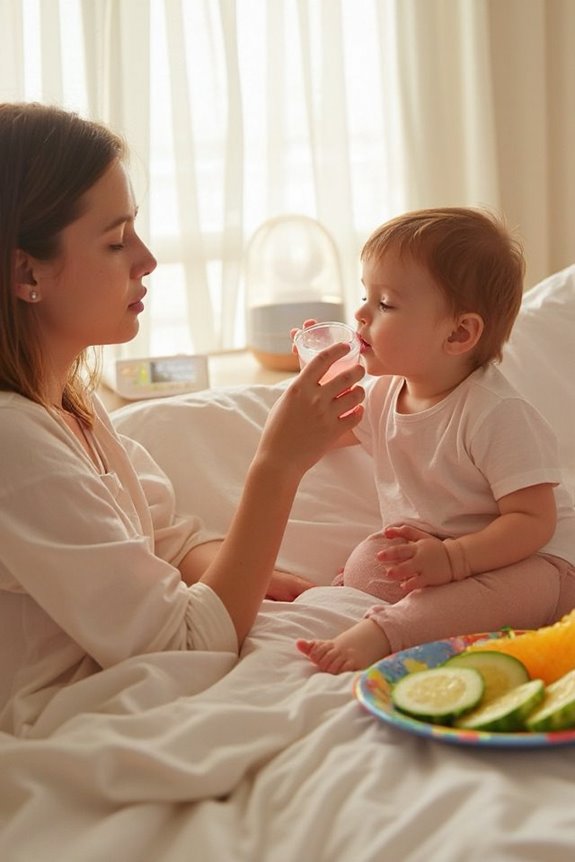
Proper hydration stands as one of the most critical aspects of managing your baby’s fever. When your little one has a temperature, they lose fluids more rapidly through sweating, which can lead to dehydration.
For ideal hydration:
Maintaining electrolyte balance is equally important during fevers. If your baby shows signs of dehydration (dark urine, no tears when crying, sunken eyes), consider an oral rehydration solution specifically formulated for infants. These solutions help restore essential minerals while providing necessary fluids.
I recommend seeking medical attention if dehydration symptoms persist despite your hydration efforts.
Recommended Products

HYDRATE AND FEEL BETTER FAST: Pedialyte electrolyte solution is designed to replace fluids and electrolytes more effectively than common beverages like some sports drinks, juices, water, and sodas

NOW DYE-FREE: Enjoy the same great Pedialyte taste now without any added dyes

ELECTROLYTES AND ZINC: Electrolytes are minerals that are important to keep your body hydrated; Amazon Basic Care Unflavored Electrolyte Solution with zinc is for children and adults; compare to Pedialyte
Gentle Herbal Remedies for Fever Relief
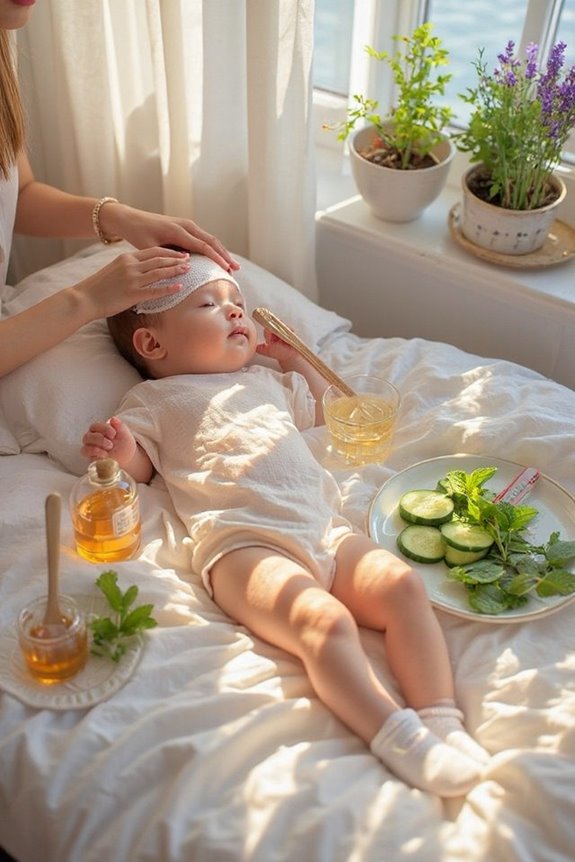
Many parents seek natural approaches to comfort their feverish babies, though herbal remedies should be used with appropriate caution and knowledge.
Recommended Products

All Natural Postpartum Support: Provides gentle, natural care for mothers during the postpartum recovery period

SOOTHING SITZ BATH EXPERIENCE: Designed to help provide a gentle, soothing sitz bath experience for postpartum and perineal care routines, supporting daily comfort as part of a self-care routine
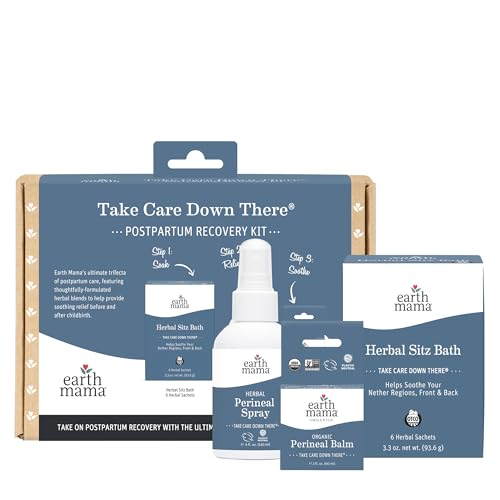
INCLUDES: Members of this exclusive labor and delivery club include the cooling touch-free birth bag must-have Herbal Perineal Spray, lasting comfort hero Organic Perineal Balm, and the unmatched bringer of relief, Organic Herbal Sitz Bath
Safe Herbal Infusion Techniques
Safe Application Methods
Always consult your pediatrician before using any herbal remedies, especially for infants younger than six months.
Essential Care Practices for Feverish Infants
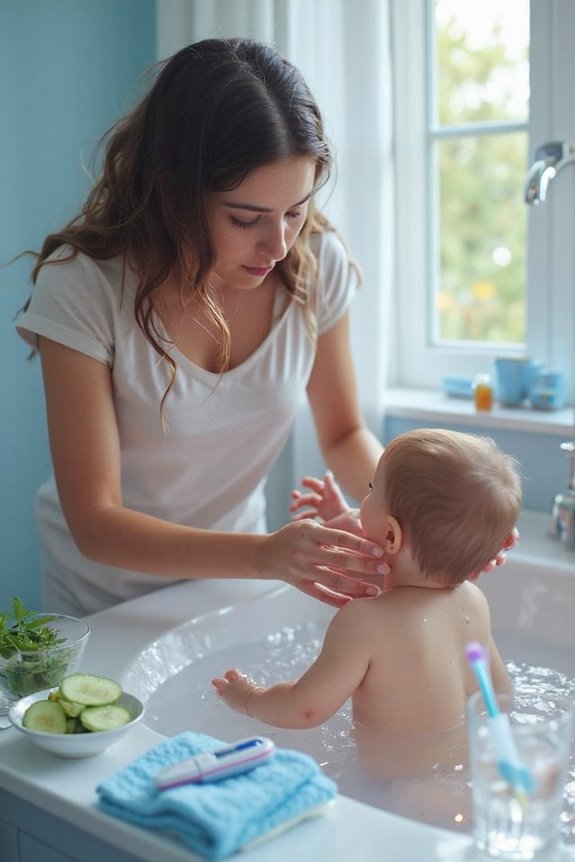
When your baby develops a fever, I’ve found that implementing the right care practices can make a significant difference in their comfort and recovery.
Proper fever monitoring involves checking temperature regularly and seeking medical attention if it exceeds 100.4°F (38°C) in newborns. For effective temperature management:
For babies older than 3 months, acetaminophen may help reduce fever when dosed by weight. Ibuprofen is only appropriate for infants over 6 months. Always consult your healthcare provider before giving any medication to infants.
Recommended Products
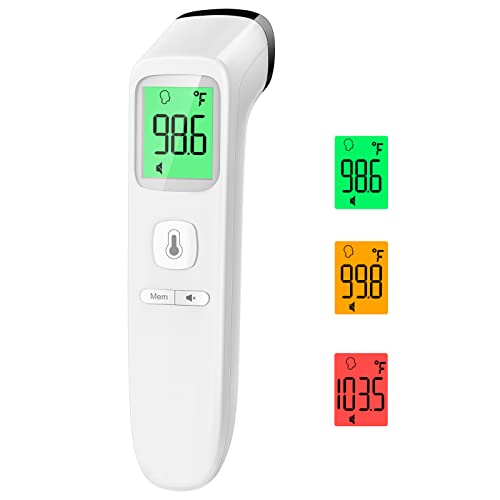
Reliable & Accurate: Goodbaby Forehead Thermometer has been clinically tested and found to be a fast and absolutely reliable gadget to use. It is ideal for forehead readings.

✨Swift Results in Just 1 Second: Experience the efficiency of ANMEATE thermometer for adults with its remarkable 1-second read capability. Obtain accurate temperature readings swiftly, providing you with timely and dependable results.

ACCURATE FOR ALL AGES: Designed for infants, toddlers, and kids, this thermometer delivers reliable readings whether used rectally, orally, or under the arm, adapting as your child grows.
Traditional Home Remedies That Actually Work
Throughout generations, caregivers have relied on time-tested home remedies that effectively reduce fevers in babies without medication. I’ve found these approaches particularly helpful for managing mild fevers:
While some traditional practices like potato therapy—placing sliced potatoes on the soles of feet—persist in many cultures, their effectiveness isn’t scientifically proven. However, they’re generally harmless when used alongside proven methods.
Remember: Always monitor your baby’s temperature regularly and contact your pediatrician if the fever exceeds 100.4°F in newborns or persists beyond 2-3 days.
Recommended Products

✅Fast & Accurate - Discover the precision of our forehead thermometer. Engineered to deliver highly accurate temperature measurements, our professional-grade device offers a user-friendly experience. With a non-contact design, it ensures hygienic usage and provides fast results within seconds. Suitable for all ages, it is a must-have for households and medical professionals alike. Rely on our brand's commitment to accuracy and obtain the peace of mind you deserve.

【0-3 Years Old Child Mode】The Momcozy baby digital thermometer is equipped with a child mode specifically designed for infants aged 0-3 years. This mode ensures safe and accurate temperature measurements for your little baby, providing you with peace of mind during critical moments.It is also suitable for older kids and adults, making it a practical thermometer for the whole family.
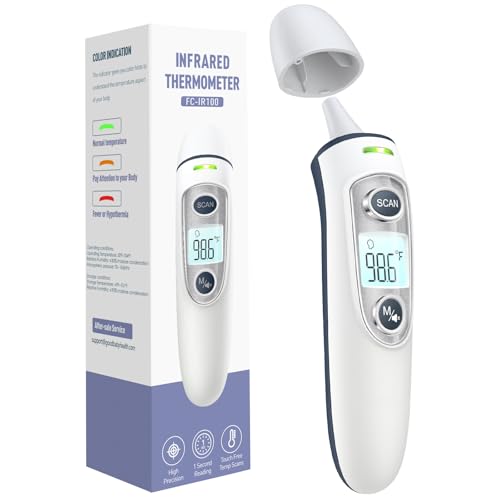
【FAST AND EASY TEMPERATURES READINGS】Taking your baby’s temperature with GoodBaby digital thermometer is as simple as pointing, and pressing a button. It uses infrared technology, and can show readings in Celsius or Fahrenheit.
When to Seek Medical Help for Your Baby’s Fever
Knowing exactly when to call the doctor about your baby’s fever can make all the difference in their health and recovery. The guidelines vary by age:
Under 3 Months:
3-6 Months:
Over 6 Months:
For babies of any age, get emergency care if you notice:
Frequently Asked Questions
Can Teething Cause Fever in Babies?
I’ve studied teething symptoms extensively and can confirm that teething doesn’t cause true fevers. This is one of the common fever myths parents believe. Any temperature above 100.4°F needs medical attention, not teething remedies.
How Does Co-Sleeping Affect a Feverish Baby’s Temperature?
I’ve found that co-sleeping can help regulate a feverish baby’s temperature through maternal body heat, but you must prioritize co-sleeping safety with proper bedding and positioning to avoid overheating or suffocation risks.
Should I Wake My Baby to Give Fever-Reducing Treatments?
I wouldn’t wake your baby for fever management unless a doctor advises it. Sleep is healing, and disturbing sleep patterns can cause more distress. Focus on comfort and monitor them while they rest.
Can Certain Foods Worsen or Improve a Baby’s Fever?
Like a garden needs water to thrive, your baby needs fever-friendly foods during illness. I recommend clear broths and watermelon for hydration importance, while avoiding sugary and greasy foods that can worsen fever symptoms.
Do Homeopathic Remedies Effectively Reduce Fever in Infants?
I can’t definitively say homeopathy effectively reduces infant fevers. The limited scientific evidence doesn’t strongly support its effectiveness, and infant safety should always come first. I’d recommend consulting your pediatrician before trying homeopathic remedies.