As an Amazon Associate, we earn from qualifying purchases. Some links on this site are affiliate links at no extra cost to you. Our recommendations are based on thorough research and editorial judgment.

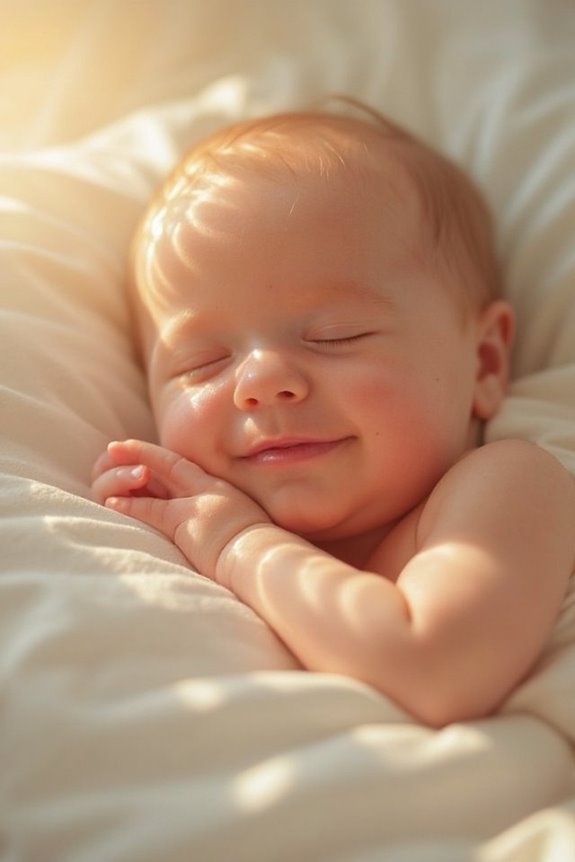
Why Do Babies Smile in Their Sleep?

Babies smile in their sleep primarily during REM (rapid eye movement) sleep, when their brains are highly active. These smiles are involuntary reflexes that help strengthen facial muscles for later emotional expressions. About 98% of infant sleep smiles occur when the cerebral cortex is active, indicating healthy neurological development. While these expressions aren’t social responses, they’re important developmental markers as babies’ brains form vital connections. The patterns of these sleep smiles reveal fascinating insights about your baby’s growing brain.
Key Takeaways
- Babies smile during sleep as a result of REM sleep brain activity, which is nearly as active as wakefulness.
- Most infant sleep smiles (98%) occur when the cerebral cortex is active during REM sleep cycles.
- Sleep smiles are reflexive actions that help strengthen facial muscles for future emotional expressions.
- These spontaneous expressions indicate healthy neurological development and brain growth in infants.
- Smiling during sleep is an involuntary response with no social meaning, unlike wakeful social smiles that develop around 2 months.
The Science Behind Those Adorable Sleep Smiles
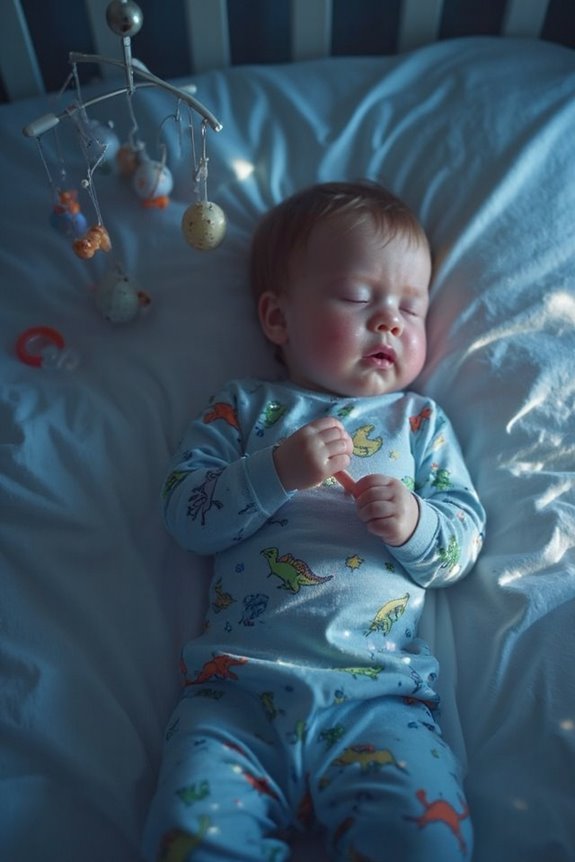
When you notice your baby smiling in their sleep, you’re witnessing a fascinating neurological process rather than a response to dreams. These spontaneous expressions occur primarily during active sleep patterns, a unique infant state characterized by rapid eye movements and frequent body movements.
Research shows nearly 98% of infant sleep smiles happen during active sleep when:
- The cerebral cortex remains active
- Brain activity continues without paralysis (unlike adult REM sleep)
- Grouped rapid eye movements often coincide with smiles
These reflexive smiles aren’t social responses but rather important developmental processes. They help strengthen facial muscles needed for future conscious smiling and emotional expression.
Studies confirm that these expressions require intact cortical tissue—infants missing significant cortical areas don’t display sleep smiles, demonstrating their neurological foundation in brain development.
REM Sleep: When Baby’s Brain Lights Up
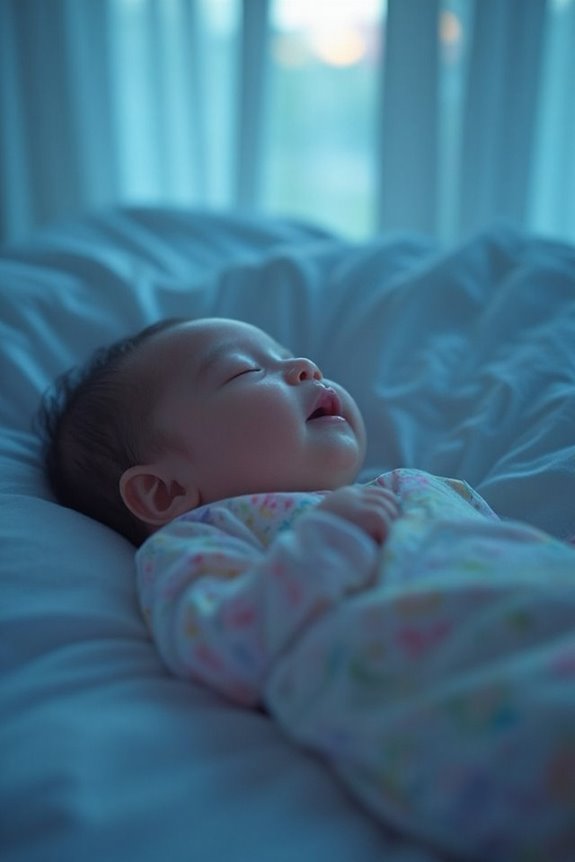
As your baby drifts off to sleep, their brain enters a remarkable state of activity known as REM sleep. During this phase, their brain is nearly as active as when they’re awake, working hard on critical development tasks.
You might notice your little one twitching or making jerky movements—these aren’t just random actions. These movements provide important sensory feedback that helps with motor development. Your baby’s brain uses this self-generated stimulation to strengthen neural pathways.
REM sleep in infants:
- Promotes neuroplasticity (brain’s ability to reorganize connections)
- Processes emotional experiences from the day
- Occupies a much larger portion of sleep than in adults
- Occurs in shorter, more frequent cycles
This intensive brain activity explains why babies smile, grimace, and even appear to practice expressions during sleep.
Different Types of Sleep Smiles Explained
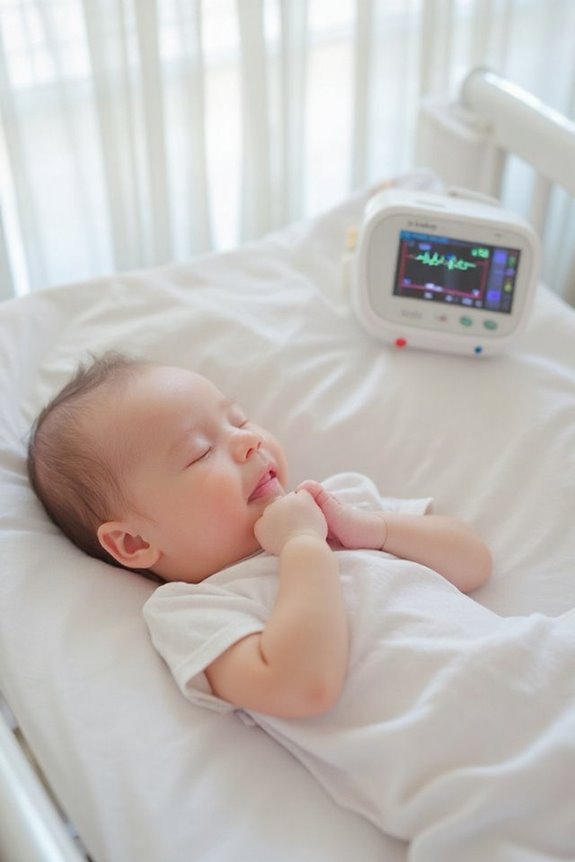
Those adorable smiles you’ve noticed on your baby’s face during sleep aren’t all the same. Researchers have identified several distinct types that occur during slumber:
- Duchenne smiles: These “authentic” smiles engage both the cheek and eye muscles, even in sleeping infants
- Reflexive smiles: Common in babies under six months, these appear to be automatic responses rather than emotional expressions
- Social smiles: Though primarily associated with wakefulness, these can occasionally appear during sleep
- Bilateral vs. asymmetrical: Most sleep smiles are symmetrical, though left-sided smiles occur more frequently than right-sided ones
What’s fascinating is that these expressions typically happen during active sleep (REM sleep), when your baby’s brain is particularly active. The presence of smiling indicates developing neuronal circuits, even though these expressions don’t yet carry the social significance they will when your baby is awake.
What Sleep Smiling Reveals About Development
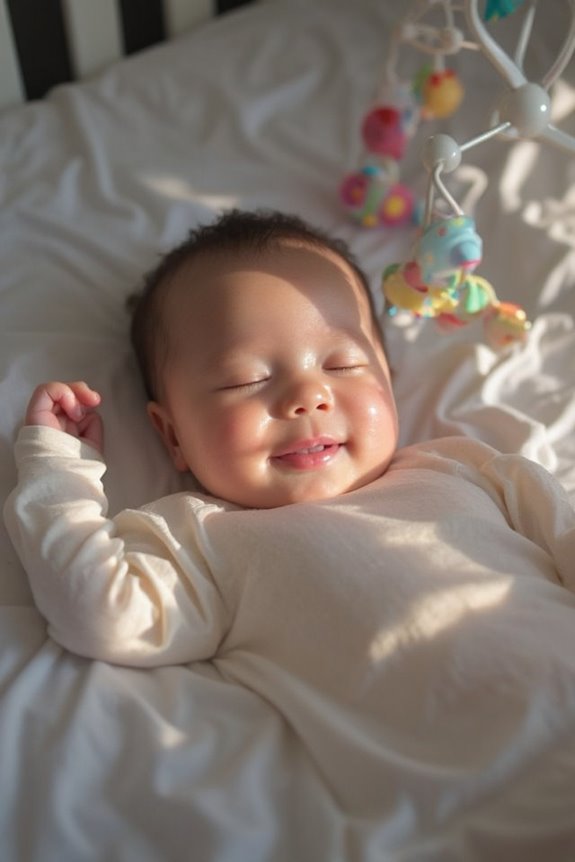
Sleep smiling offers parents a fascinating window into their baby’s developing brain and nervous system. These fleeting expressions aren’t just adorable—they’re meaningful developmental milestones that indicate healthy neurological growth.
When babies smile during REM sleep, their brains are actively processing experiences and forming neural connections. This is particularly evident between birth and 2 months, when reflex smiles gradually evolve into social smiles.
Sleep smiles can also reflect emotional security developed through consistent caregiving. Babies who feel safe and bonded with caregivers may display more peaceful sleep patterns and smiling.
Different types of smiles appear at specific developmental stages:
- 0-2 months: Primarily reflex smiles during sleep
- 2+ months: Social smiles emerge during wakefulness
- 3-4 months: More complex facial expressions during both sleep and wake states
Normal Patterns vs. When to Be Concerned
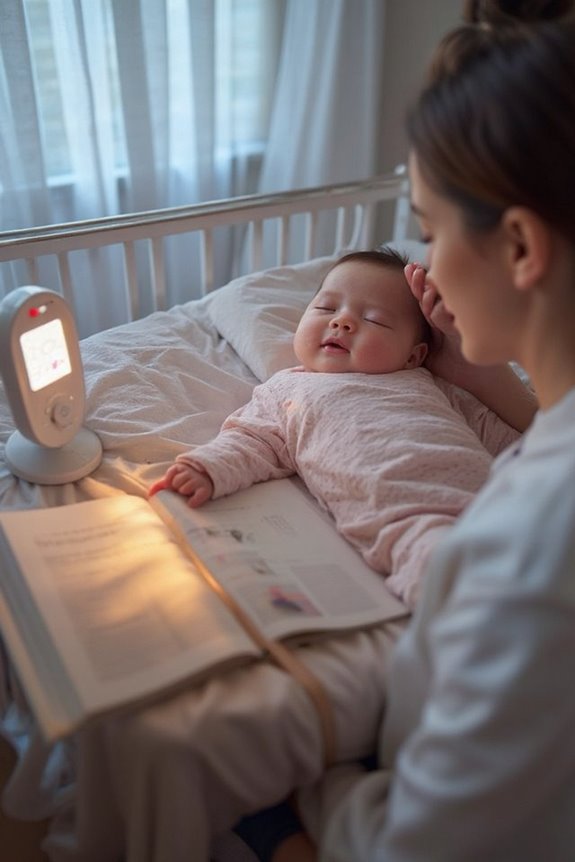
While most parents delight in catching glimpses of their baby’s sleep smiles, understanding what’s normal versus concerning can provide valuable peace of mind.
Normal smiling during sleep is typically associated with REM sleep, which constitutes about 50% of a newborn’s sleep time. These involuntary expressions vary widely between babies and usually occur randomly without external stimulation. Most babies will display these reflex smiles as their nervous systems develop.
When should you be concerned?
- Persistent unusual patterns of facial expressions
- Sleep smiles accompanied by signs of distress
- Frequent sleep disturbances or difficulty waking
If your baby seems generally content, feeds well, and meets developmental milestones, those adorable sleep smiles are likely just a normal part of their brain development. However, if you notice concerning patterns, consult your pediatrician.
Frequently Asked Questions
Can Babies Dream, and Is That Why They Smile?
I believe babies may not dream since the dreaming process requires imagination that’s underdeveloped in infants. Their smiles during sleep cycles are likely from muscle relaxation or brain development, not dreams like we experience.
At What Age Do Babies Typically Stop Smiling During Sleep?
I’ve found there’s no specific age when babies stop smiling in sleep. As their sleep cycles mature and they reach developmental milestones (typically through toddlerhood), these sleep smiles gradually become less frequent.
Do Babies Remember Their Sleep Smiles When They Wake Up?
Did you know 80% of dream content is forgotten within 10 minutes of waking? As a sleep researcher, I can confirm babies don’t have sleep memories or dream recall capabilities to remember their sleep smiles upon waking.
Can Parents Influence or Increase Sleep Smiling in Their Babies?
I’d say you can indirectly influence your baby’s sleep smiles by creating a positive sleep environment and using calming techniques before bedtime. Though you can’t directly control it, your nurturing approach matters.
Is There a Connection Between Sleep Smiling and Future Personality Traits?
A watched pot never boils, and I can’t claim sleep laughter predicts personality development. From the research I’ve seen, there’s no established connection between how much a baby smiles during sleep and their future traits.