As an Amazon Associate, we earn from qualifying purchases. Some links on this site are affiliate links at no extra cost to you. Our recommendations are based on thorough research and editorial judgment.


Why Do Babies Sleep So Much?

Babies sleep 14-17 hours daily because their rapidly developing brains and bodies need this extensive rest. During sleep, infants release growth hormones, form neural connections, and consolidate learning. Their unique sleep architecture includes more active sleep cycles than adults, supporting critical cognitive development. This high sleep requirement gradually decreases throughout the first year as their sleep patterns mature. Understanding these natural sleep needs helps parents create appropriate expectations and ideal environments for their little one’s development.
Key Takeaways
- Babies’ brains double in volume during the first year, with most development occurring during sleep.
- Growth hormone is primarily released during deep sleep stages, supporting rapid physical development.
- Infants need 14-17 hours of sleep daily to process and consolidate new information and experiences.
- Sleep supports essential cognitive functions including memory formation and language acquisition.
- Active sleep in babies facilitates brain pathway development and emotional regulation capabilities.
You may be interested

Recommended Products
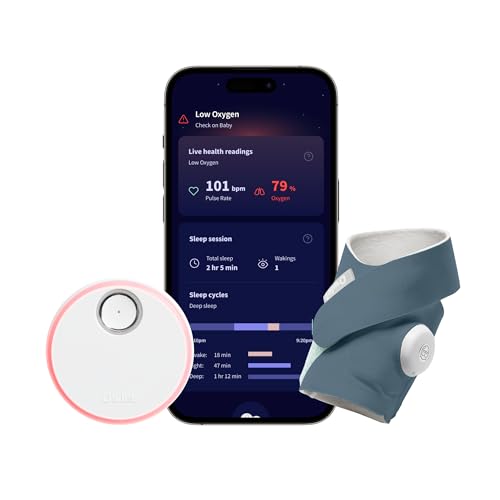
What is Owlet Dream Sock? Dream Sock is the #1 best selling smart baby monitor (Source: Circana, Jan–Dec 2025) in the US that tracks your baby's pulse rate and oxygen levels in real-time and sends alerts when those readings leave the preset zones, delivering priceless peace of mind so the whole family can sleep better.

What is Owlet Dream Sock? Dream Sock is the #1 best selling smart baby monitor (Source: Circana, Jan–Dec 2025) in the US that tracks your baby's pulse rate and oxygen levels in real-time and sends alerts when those readings leave the preset zones, delivering priceless peace of mind so the whole family can sleep better.

TRANSMISSIVE HEART RATE WITH IMPROVED ACCURACY: The all-new Sense-U Smart Sock Shoe 2 uses advanced transmissive PPG sensing technology for improved precision when tracking your baby’s heart rate and sleep patterns, helping you better understand your baby’s rest.
The Science Behind Infant Sleep Needs
While many new parents wonder why their babies seem to sleep endlessly, science provides fascinating answers about these extensive sleep requirements. Newborns typically need 14-17 hours of sleep daily, with these hours divided into shorter cycles throughout the day and night.
Infant sleep architecture differs greatly from adults’. Babies have shorter sleep cycles, leading to frequent awakenings – a normal pattern that serves important developmental purposes:
- Sleep actively supports brain development and cognitive functions
- Deep sleep stages trigger growth hormone release
- Night sleep specifically facilitates brain maturation
- Regular sleep patterns help establish language acquisition
As babies grow, their sleep gradually consolidates into longer nighttime periods. This change happens naturally as their neurological systems mature and their nutritional needs change, requiring fewer nighttime feedings.
How Baby Sleep Patterns Change in the First Year
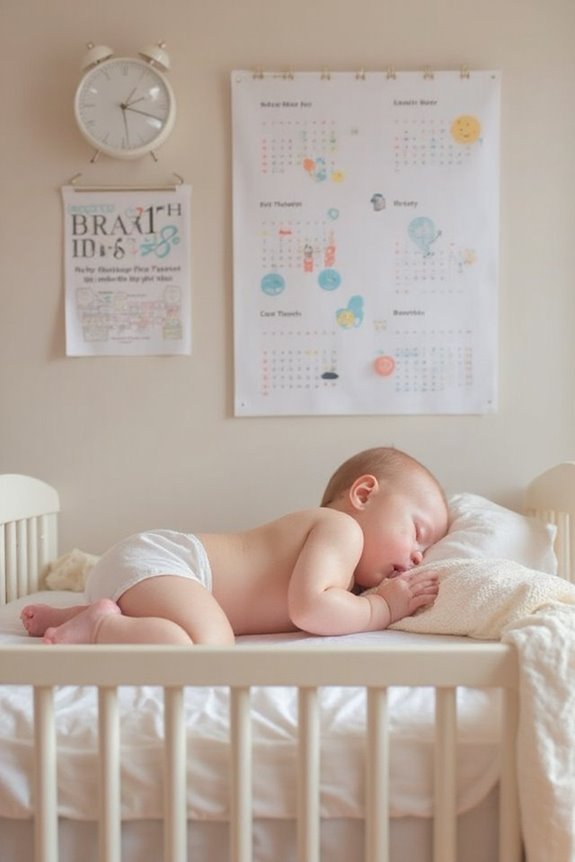
Because a baby’s brain and body undergo tremendous development during their first year, sleep patterns evolve dramatically during this time. Newborns sleep 12-16 hours daily in fragmented periods, not distinguishing between day and night.
Around 6 months, significant sleep shifts occur:
- Total sleep decreases to about 15 hours
- Longer nighttime stretches develop
- Nap frequency reduces from multiple daily naps to more predictable patterns
- Night wakings become less common
Each baby’s journey varies considerably—what’s normal for one may not be for another. While 90% of infants develop stable sleep patterns, about 10% experience problematic sleep.
Environmental factors and your routines influence these changes. As your baby grows, their sleep environment and bedtime schedule typically stabilize, with bedtime settling around 10 PM for many families.
Recommended Products
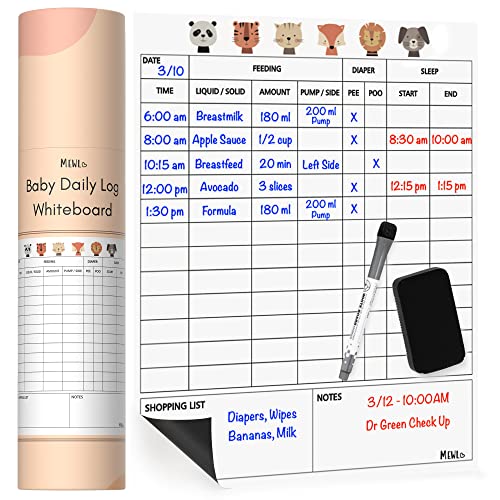
ALL IN ONE BABY TRACKER - Understand your baby’s routine and schedule by logging their feedings, diaper changes, and sleep times


The Crucial Role of Sleep in Brain Development

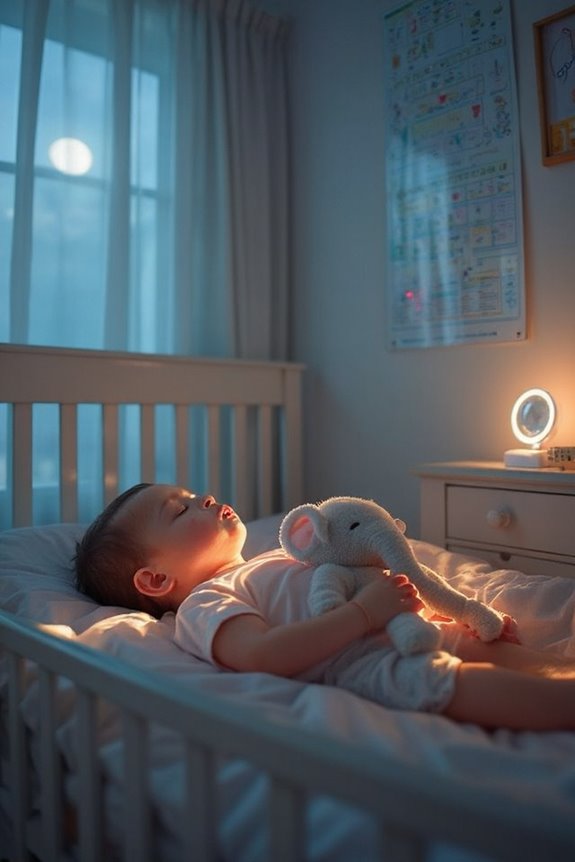
As your baby sleeps peacefully in their crib, an extraordinary transformation is happening inside their developing brain. During the first year, your infant’s brain doubles in volume, with most of this growth occurring during sleep.
This period represents a critical window of neural plasticity, when:
- Sleep cycles support rapid brain development
- Memory consolidation strengthens learning
- Language acquisition is enhanced
- Emotional regulation pathways are forming
Brain imaging shows specific regions activate during sleep, processing emotional information even while your baby rests. Sleep spindles in their EEG readings correlate with memory formation, similar to adults but uniquely adapted for infant development.
When your baby sleeps sufficiently, they’re not just resting—they’re building the foundation for cognitive and emotional health that will benefit them throughout life.
Recommended Products

【Cute Animal Pillow for Toddlers】– This pillow is designed with a cute animal shape that will make your child smile and cuddle. It is a perfect companion for sweet dreams and cozy naps. Your child will love its adorable design and soft touch.

4-in-1 Multi-Functional Baby Lounger: Designed for newborns aged 0-12 months, this versatile lounger serves as a tummy time mat, sitting support pillow, and more. It accompanies your baby through key developmental stages: feeding, diaper changes, tummy time, rolling practice, sitting stability training, floor play, and motor skill exercises. Enhance bonding time between parents and baby

【Cute Animal Pillow for Toddlers】– This pillow is designed with a cute animal shape that will make your child smile and cuddle. It is a perfect companion for sweet dreams and cozy naps. Your child will love its adorable design and soft touch.
Creating an Optimal Sleep Environment for Your Baby

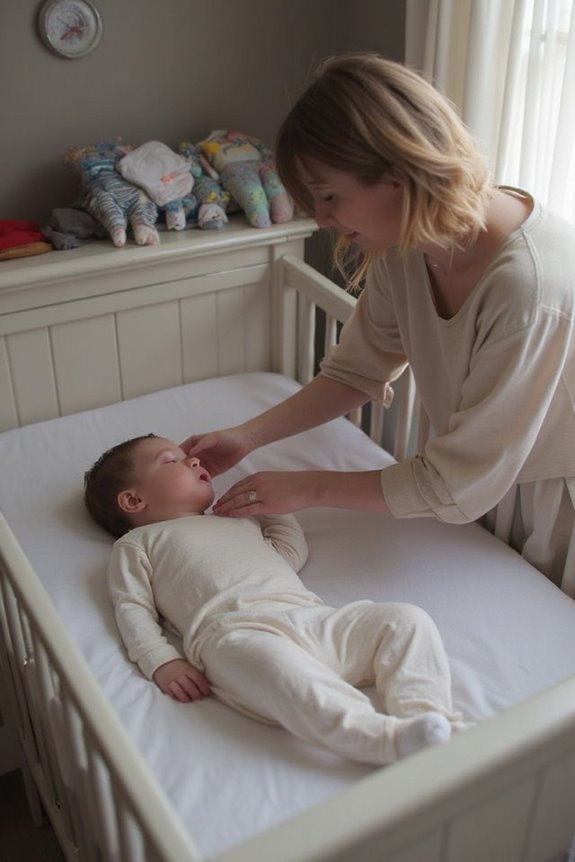
How you set up your baby’s sleep space directly impacts their safety and sleep quality. Following safe sleep guidelines can greatly reduce risks while promoting healthy rest patterns.
For maximum safety:
- Place your baby’s crib in your room for the first 6-12 months
- Use only a firm, flat mattress with a fitted sheet
- Always position your baby on their back
- Keep the room slightly cool and dark
- Remove all soft objects from the sleep area
Creating a consistent sleep routine helps signal to your baby when it’s time to rest. I recommend establishing a simple bedtime sequence that might include a warm bath, gentle rocking, and quiet time.
Remember: room sharing (not bed sharing) is recommended to reduce SIDS risk while making night feedings more convenient.
Recommended Products
Greatly Fit: The dimension of the crib mattress sheet is 52”X 28”X 8”. With the elastic bandage surround, ensures our crib mattress sheets can snug fit your crib mattress no loose but flat which gives your baby a comfortable bedding.

Super Soft and Breathable: These muslin crib sheets are made of 100% cotton (Muslin) for breathable with skin-friendly soft touch and retain its color after washed for several times. Keep your baby super comfortable and soft with this crib sheet

PERFECT FIT: The crib sheet measures 52" X 28" X 8". The elastic bandage wraps around to ensure that our crib mattress sheets fit your crib mattress snugly, not loose, but flat, giving your baby a comfortable bedding.
When to Be Concerned About Your Baby’s Sleep Habits

While creating a safe sleep environment helps your baby rest well, understanding what’s normal versus concerning in your baby’s sleep patterns is equally important. Most babies exhibit wide variations in sleep duration, but certain signs warrant attention.
Contact your pediatrician if you notice:
- Excessive sleepiness or difficulty waking for feedings
- Your newborn sleeps more than 17 hours consistently without waking for feeds
- Poor weight gain or decreased interest in feeding
- Sudden changes in established sleep patterns
- Signs of respiratory distress during sleep
Sleep disturbances like frequent night wakings are normal, but persistent issues may require sleep assessment by a healthcare provider. Remember that most sleep concerns are developmental, not medical problems. However, if your baby is consistently lethargic or unresponsive, seek immediate medical attention.
Recommended Products

SMART BABY BREATHING & SLEEP MONITOR: Track your baby’s abdominal movement, sleep position, and feeling temperature trends to stay informed day and night. Receive timely notifications through the app or audible alerts if your baby rolls over or shows signs of feeling warm.

Crystal Clear Audio with DECT 6.0 Technology: No static, no white noise, no interference - DECT 6.0 digital transmission means you only ever hear your baby. Unlike analog monitors that produce constant background hissing, the DM111 is completely silent until your baby makes a sound. The moment they stir, you hear it clearly. Encrypted FHSS channel shared exclusively between baby unit and parent unit - no internet, no cloud, no account. Cannot be hacked

TOTAL COVERAGE & 5” HD DISPLAY – Monitor your nursery with a large 5-inch LCD screen providing a crystal-clear view. This video baby monitor features a remote 355° pan, 120° tilt, and 2x zoom with a 1,000ft range, ensuring you never miss a corner of the room.
Frequently Asked Questions
Can Co-Sleeping Affect My Baby’s Overall Sleep Duration?
Yes, co-sleeping can affect your baby’s sleep duration, often leading to more frequent awakenings and shorter uninterrupted sleep periods. While considering co-sleeping safety, remember that these shorter cycles don’t necessarily mean lower quality sleep.
Do Breastfed Babies Sleep Differently Than Formula-Fed Babies?
Yes, I’ve found breastfed babies often wake more frequently due to faster digestion. Their sleep cycles are lighter, with more active sleep, while formula-fed babies may sleep in longer stretches with deeper sleep patterns.
How Do Seasonal Changes Affect Infant Sleep Patterns?
Like delicate weather vanes, babies respond intensely to seasonal changes. I’ve noticed how seasonal light affects their circadian rhythms, and temperature changes can make them restless. You’ll need to adjust their sleep routines accordingly.
Is White Noise Beneficial or Harmful for Long-Term Sleep Development?
I believe white noise benefits include improved sleep quality and a calming effect, but risks involve potential hearing damage and dependency. With proper volume control and limited use, it’s generally safe for long-term sleep development.
Can a Baby’s Personality Traits Predict Their Sleep Patterns?
I find that temperament influences sleep, but doesn’t predict it. While rhythmicity may affect behavior sleep patterns, research shows these traits develop independently. Your baby’s personality and sleep are connected but largely separate entities.