As an Amazon Associate, we earn from qualifying purchases. Some links on this site are affiliate links at no extra cost to you. Our recommendations are based on thorough research and editorial judgment.


When to Worry About Baby Congestion: Signs and Solutions

Worry about baby congestion when you notice rapid breathing (over 60 breaths per minute), nasal flaring, blue lips, excessive irritability, or feeding difficulties. Normal congestion includes mild snoring and stuffy nose that resolves within days. For typical congestion, try saline drops, a cool-mist humidifier, and gentle suctioning. Contact your pediatrician immediately for fever above 100.4°F in babies under 3 months or any signs of respiratory distress. The following guidance will help you distinguish between harmless congestion and serious concerns.
Key Takeaways
- Seek medical attention if your baby breathes over 60 times per minute or shows rib retractions, grunting, or nasal flaring.
- Bluish discoloration around lips, pale skin, or severe lethargy requires immediate emergency care.
- Normal congestion includes mild snoring and runny nose, while distress involves feeding problems and rapid breathing.
- Use saline drops with gentle suctioning, cool-mist humidifiers, and steam therapy for effective home treatment.
- Call your pediatrician for congestion with fever above 100.4°F in babies under 3 months or symptoms persisting beyond 3 weeks.
Normal Congestion vs. Signs of Distress in Infants
You may be interested


Can Babies Get a 103 Fever From Teething?
July 2, 2025
While most babies experience congestion at some point during their first year, distinguishing between normal stuffiness and signs that warrant medical attention is essential for every parent.
Normal congestion typically presents as:
- Noisy breathing or mild snoring
- Slight feeding difficulties
- Runny or stuffy nose that resolves within days
In contrast, distress signs requiring immediate attention include:
- Rapid breathing or difficulty breathing
- Significant feeding problems leading to weight loss
- Nasal flaring or visible struggling to breathe
- Bluish discoloration of lips or skin
- Excessive irritability or lethargy
I recommend using a humidifier and saline drops for normal congestion, but don’t hesitate to call your pediatrician if you notice any distress signs—your quick action could prevent complications.
Recommended Products

Non-Medicated Relief for Dry or Stuf

Mommy's Bliss saline Spray/Drops cleans, moisturizes and soothes delicate nasal passages for little ones (babies)

GENTLE, NON-MEDICATED CONGESTION RELIEF: The Frida Baby Saline Mist Spray provides safe, drug-free relief for baby congestion by effectively loosening thick, stubborn boogers and moisturizing dry nasal passages. It’s ideal for babies suffering from allergies, colds, or dry environments.
Common Causes of Baby Congestion: Viral, Allergic, and Environmental

Understanding the underlying causes of baby congestion can help parents respond appropriately and determine when medical attention is needed. Baby congestion typically stems from three main sources:
- Viral infections: Rhinoviruses, RSV, influenza, and COVID-19 commonly trigger increased mucus production in infants. These account for most congestion cases.
- Allergic reactions: Exposure to allergens like dust mites, pet dander, and pollen can inflame nasal passages. Even in young babies, these environmental triggers may cause persistent congestion.
- Environmental factors: Dry air, cigarette smoke, and pollutants can irritate delicate nasal tissues. Surprisingly, overheated rooms often worsen congestion by drying out nasal passages.
Babies are especially vulnerable due to their narrow nasal passages and developing immune systems, making even minor irritants potentially problematic.
Recommended Products

【All the Stuff Cleaned with One Suction】Momcozy nasal aspirator for baby, 3 levels of suction power for different situations of boogers cleaning, with maximum suction power to ensure one suction for cleaning baby's boogers and snot.
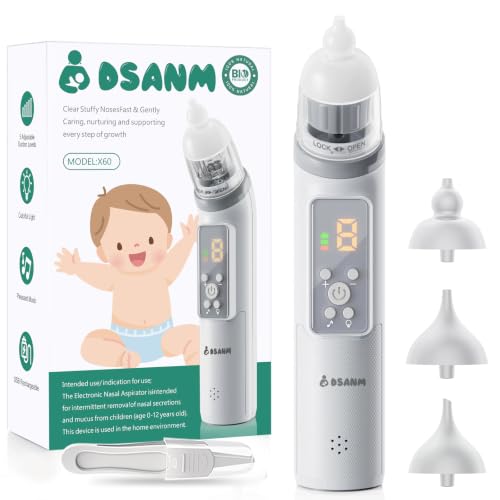
78KPa Powerful Suction: Discover precise nasal clearing with a baby nasal aspirator delivering up to 78KPa maximum suction, exceeding the 70KPa ceiling of most competing devices. Five calibrated levels from 1.5 to 3.0 L/min let parents choose the gentlest setting for newborns or a stronger level for toddlers with stubborn congestion, providing effective relief at every stage

Strong Suction, This baby nasal aspirator offers 5 suction levels for different needs, maximum up to 70KPa, effectively suction out baby's boogers and mucus, allowing your baby to breathe smoothly and sleep comfortably.Baby essentials must haves newborn stuff.
Warning Signs That Require Immediate Medical Attention
Although most baby congestion resolves without complications, certain warning signs demand swift medical intervention.
Breathing Distress Indicators
- Breathing rate over 60 breaths per minute
- Visible rib retractions with each breath
- Grunting or moaning sounds during breathing
- Flaring nostrils while inhaling
Serious Color Changes
- Bluish or gray tint around lips or nostrils
- Pale or mottled skin despite normal temperature
I particularly want you to watch for signs that your baby can’t feed properly due to congestion or shows extreme lethargy. If you notice your infant has severe chest muscle use for breathing or becomes unresponsive, call 911 immediately. Don’t wait if your baby under 3 months has a fever above 100.4°F with congestion.
Effective Home Remedies for Relieving Baby Congestion

Most babies experience congestion at some point, but you don’t need to rush to the doctor for every sniffle. Several natural remedies can effectively clear your little one’s stuffy nose.
- Saline and suction: Use saline drops to loosen mucus, then gently suction with a bulb syringe
- Steam therapy: Run a hot shower to create steam in the bathroom (never leave baby unattended)
- Humidity: Place a cool-mist humidifier in baby’s room to add moisture to the air
These soothing techniques also help:
- Elevate baby’s head slightly during sleep
- Guarantee proper hydration through regular feedings
- Give warm baths to relieve congestion
- Keep the environment clean and free of irritants
Monitor wet diapers to confirm adequate hydration levels while implementing these remedies.
Recommended Products

GENTLE & EFFECTIVE BABY NASAL SUCTION: The Frida Baby NoseFrida SnotSucker is designed to create a comfortable seal with the outside of your baby’s nostril, enabling parents to quickly and gently clear nasal congestion without causing discomfort or irritation. Unlike bulb syringes, this innovative design prevents any direct insertion into delicate nasal passages, making it safe for even the youngest infants.
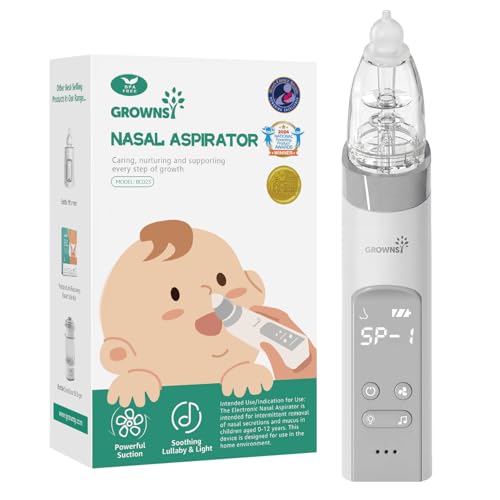
SAFETY AND COMFORT: GROWNSY baby nose sucker is equipped with 3 tips from food-grade silicone, the soft and flexible material ensures it is gentle on your baby's sensitive inner surfaces of the little noses. Select the appropriate silicone tip based on your child's age and nasal size.
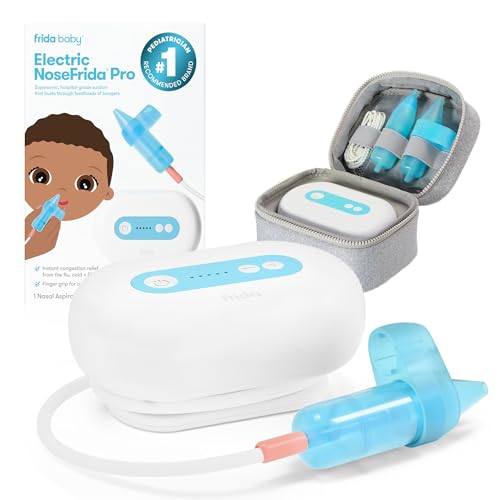
HOSPITAL-GRADE SUCTION: The ENF Pro features 5 adjustable levels of hospital-grade suction that effectively clear thick congestion caused by flu, colds, and RSV, ensuring your little one can breathe, sleep, and eat comfortably
How Age Affects a Baby’s Respiratory System and Congestion Risk

A baby’s respiratory system undergoes remarkable changes from fetal development through the first years of life, directly impacting their congestion risk at different ages.
During fetal development, lungs follow vital stages:
- Weeks 8-16: Airways and lobes form
- Weeks 16-26: Development of essential gas-exchange structures
- After 26 weeks: Surfactant production begins
Babies born before 26 weeks face the highest respiratory challenges due to immature lungs. Newborns (0-3 months) naturally have narrow nasal passages, making congestion common as they adjust to respiratory adaptation outside the womb.
As infants reach developmental milestones in their first year, their respiratory system matures:
- Increasing alveoli for better gas exchange
- Improving ability to coordinate breathing and feeding
- Enhanced surfactant production for easier breathing
The Impact of Congestion on Feeding and Sleep Patterns
Congestion doesn’t just affect a baby’s breathing—it greatly impacts their feeding and sleep patterns, creating a challenging cycle for both infants and parents. When a baby’s nose is blocked, they struggle to latch properly and may cut feedings short as they prioritize breathing over eating.
Try these feeding techniques:
- Elevate your baby’s head during feeds
- Apply warm compresses before nursing
- Use saline drops to clear nasal passages
Sleep strategies that help include:
- Positioning baby at a slight incline
- Running a humidifier in the bedroom
- Suctioning the nose before bedtime
Watch for signs of inadequate intake: fewer wet diapers, increased irritability, or weight loss concerns. Remember that managing congestion effectively improves both feeding success and sleep quality.
Recommended Products

Little Remedies Sterile Saline Nasal Spray and Drops temporarily clears stuffy, dry, or crusty noses and keep baby's nose clear and moisturized

NATURAL SALINE FORMULA: Boogie Saline Spray and Drops has a non-medicated, natural saline formula to clean and clear nasal passages of infants and children

Little Remedies Sterile Saline Nasal Spray temporarily relieves stuffy, dry, or crusty noses and keeps baby's nose clear and moisturized
When to Call Your Pediatrician: Decision-Making Guide
Knowing when to contact your pediatrician about your baby’s congestion can feel overwhelming for new parents. I recommend implementing systematic symptom tracking to help guide your decisions.
Call for immediate pediatric evaluation if your baby:
- Has a fever over 100.4°F (under 3 months) or 104°F (older babies)
- Shows difficulty breathing or respiratory distress
- Has thick, yellow mucus persisting more than 2-3 days
- Appears unusually lethargic or irritable
- Refuses to feed or shows signs of dehydration
Schedule a regular appointment when:
- Congestion persists longer than 3 weeks
- Recurring congestion patterns emerge
- Home remedies aren’t providing relief
- You suspect allergies or underlying conditions
When calling, be prepared to describe symptom duration, severity, and any additional symptoms you’ve observed. This information helps your pediatrician determine the appropriate next steps.
Preventative Measures to Reduce Congestion Episodes
While creating a congestion-free environment for your baby requires consistent effort, I’ve found that implementing preventative measures considerably reduces the frequency and severity of congestion episodes.
Environmental Controls:
- Humidify air with cool mist humidifiers to maintain nasal passage moisture
- Maintain a clean environment free of dust, pet dander, and other allergens
- Install air purifiers to remove airborne irritants
- Keep baby away from smoke and strong chemical odors
Daily Practices:
- Guarantee proper hydration to thin mucus
- Position babies safely for sleep (mattress elevation for those over 2 years)
- Establish regular cleaning routines for toys and surfaces
- Continue breastfeeding when possible for immune support
- Practice good family hygiene with frequent handwashing
Recommended Products

𝙁𝙖𝙨𝙩 𝙃𝙪𝙢𝙞𝙙𝙞𝙛𝙞𝙘𝙖𝙩𝙞𝙤𝙣 𝘼𝙡𝙡 𝙉𝙞𝙜𝙝𝙩: Runs for up to 25 hours on low thanks to its SUPER LARGE capacity of 2.5 liters. The soothing moisture helps quickly relief congestion and dry throat.

A Must-Have For Parents: Help your children breathe easier throughout the night with this 2-in-1 cool mist humidifier and night light. Thoughtfully designed and rigorously tested, it’s perfect for your baby’s nursery, kid’s bedroom, or any space up to 250 sq ft where you need extra humidity.

𝐅𝐨𝐫𝐠𝐞𝐭 𝐚𝐛𝐨𝐮𝐭 𝐜𝐨𝐧𝐬𝐭𝐚𝐧𝐭 𝐫𝐞𝐟𝐢𝐥𝐥𝐬: With a 3L tank and convenient top-fill design, this humidifier large room for baby offers up to 30 hours of long run time humidification in sleep mode, ensuring dry air is no longer an issue for your family, plants, and baby.
Frequently Asked Questions
Can Teething Cause Congestion in Babies?
I’ve seen 40% of babies experience mild congestion during teething. Yes, teething symptoms can sometimes cause nasal congestion due to increased inflammation and drooling, but persistent or severe congestion usually indicates a cold instead.
How Long Does Typical Baby Congestion Last?
I typically see baby congestion lasting several days to a week. Duration factors include the cause (viral, allergies) and your baby’s immune system. Consistent congestion remedies like saline drops can often reduce this timeframe.
Are Humidifiers or Vaporizers Better for Congested Babies?
Did you know 70% of pediatricians recommend cool-mist humidifiers for babies? I’d suggest humidifiers over vaporizers for your congested little one. Humidifier benefits include safer operation, while vaporizer advantages include killing bacteria—but burn risks exist.
Can I Use Essential Oils to Help My Baby’s Congestion?
I’d advise extreme caution with essential oils for baby congestion remedies. Essential oil safety is paramount—consult your pediatrician first, never apply undiluted oils to baby’s skin, and consider safer alternatives like humidifiers instead.
Does Baby Congestion Worsen at Night or During Naps?
Like clockwork, baby congestion often worsens at night. I’ve found their nighttime habits trigger increased mucus production and sleep disruptions. It’s also common during naps due to their horizontal position and breathing patterns.