As an Amazon Associate, we earn from qualifying purchases. Some links on this site are affiliate links at no extra cost to you. Our recommendations are based on thorough research and editorial judgment.

When Can Babies Safely Sleep With a Blanket?

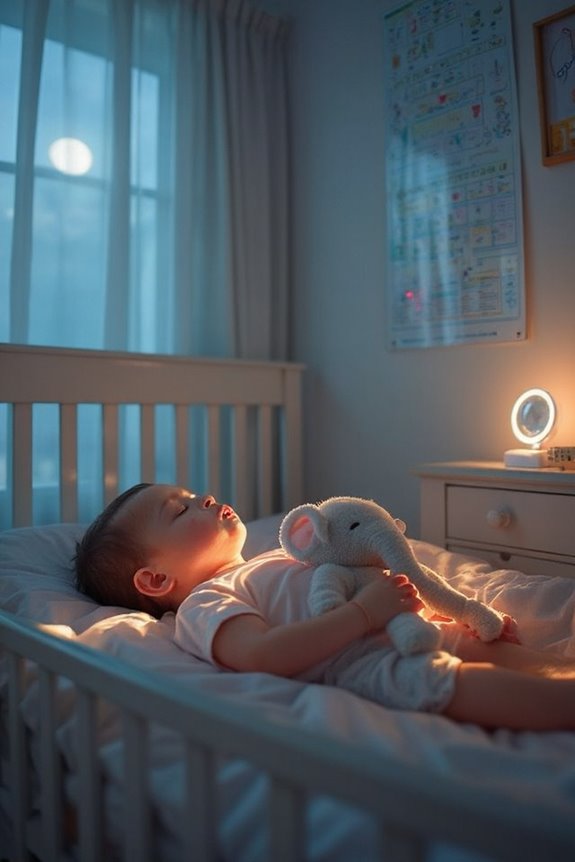
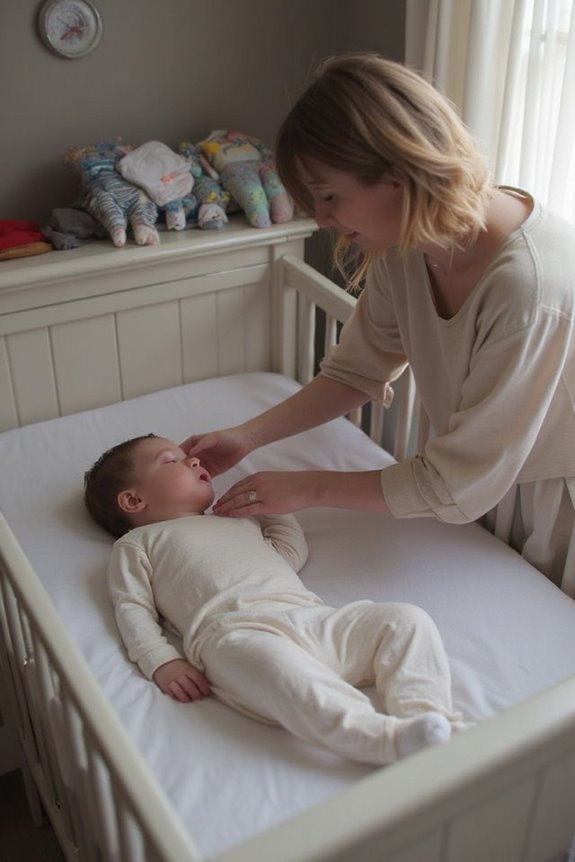
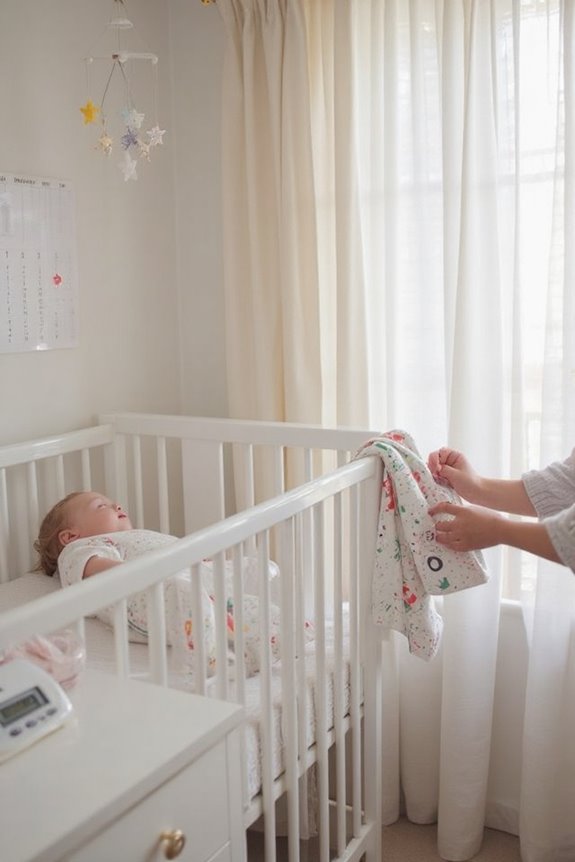
Babies should not sleep with blankets until they’re at least 12 months old, according to the American Academy of Pediatrics. Before this milestone, blankets pose significant suffocation and SIDS risks. Instead, use sleep sacks or wearable blankets to keep your little one warm. Once your baby can roll both ways, sit up unassisted, and push objects away from their face, they’re showing readiness for a blanket. Even then, choose lightweight, breathable options and maintain a safe sleep environment. The sections below offer more guidance for this important change.
Key Takeaways
- Babies should not sleep with blankets until at least 12 months old, according to American Academy of Pediatrics guidelines.
- Before 12 months, use sleep sacks or wearable blankets as safe alternatives to loose bedding.
- Signs of blanket readiness include rolling both ways, pushing objects away from face, and sitting independently.
- Choose lightweight, breathable blankets and tuck them under the mattress below baby’s arms.
- Maintain room temperature between 68-72°F and continue monitoring for safety even after introducing blankets.
The 12-Month Milestone: When Blankets Become Safer


While parents often want to make their baby’s crib cozy with blankets, safety experts agree that you shouldn’t introduce blankets until your baby has reached at least 12 months of age. This guideline comes directly from the American Academy of Pediatrics as part of their safe sleep recommendations.
The 12-month mark represents an important developmental readiness milestone when infants:
- Have improved motor skills to move blankets from their face
- Can roll over easily and change positions
- Are less vulnerable to SIDS
When introducing blankets after this age, I recommend:
- Using only thin, lightweight blankets
- Tucking them tightly around the mattress, reaching only to chest level
- Regularly checking that the blanket remains secure
Blanket safety remains essential even after the first birthday. Monitor your baby’s sleep environment consistently.
Understanding SIDS and Suffocation Risks
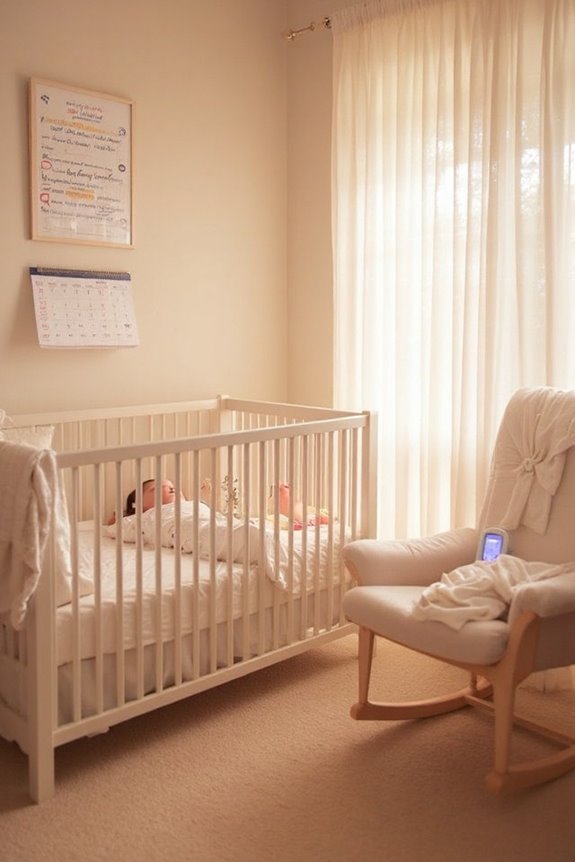
Because a baby’s safety during sleep is paramount, understanding the risks associated with Sudden Infant Death Syndrome (SIDS) and suffocation is essential for every parent.
SIDS awareness has grown considerably since the Back-to-Sleep campaign, which dramatically reduced infant deaths by promoting supine (back) sleeping positions. Despite this progress, soft bedding remains a leading risk factor for sleep-related infant deaths.
The danger occurs when:
- Soft objects block a baby’s airway
- Blankets, pillows, or comforters cover the face
- Weighted items restrict breathing
For suffocation prevention, I recommend:
- Using a firm, tight-fitting mattress
- Keeping all soft items out of the sleep area
- Dressing babies in wearable blankets instead of using loose bedding
- Following the AAP’s updated safe sleep guidelines
AAP Safe Sleep Guidelines for Infants

Since the American Academy of Pediatrics (AAP) regularly updates its recommendations based on the latest research, I’ll share their current safe sleep guidelines that every parent should know.
The cornerstone of infant sleep safety includes:
- Placing babies on firm, flat, non-inclined surfaces that meet CPSC standards
- Room-sharing with parents for at least six months (on separate surfaces)
- Always positioning infants on their backs for all sleep periods
- Keeping the sleep area free of blankets and soft items until 12 months
- Avoiding weighted products like weighted blankets or sleepers
Safe sleep practices also prohibit using car seats, swings, or couches for routine sleep. The Safe Sleep for Babies Act now bans potentially dangerous products like inclined sleepers and crib bumpers, further supporting these evidence-based recommendations.
Alternative Ways to Keep Your Baby Warm
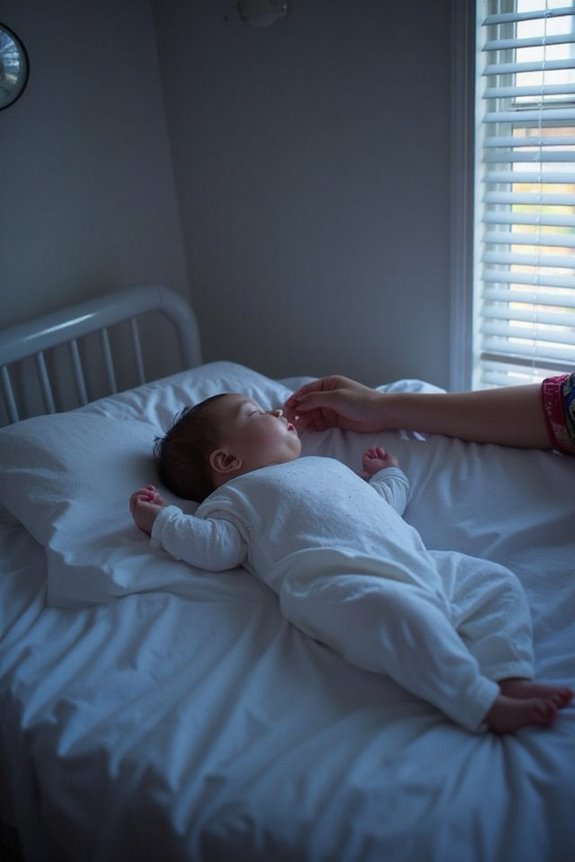
Parents often wonder how to keep their baby warm without using traditional blankets during the first year. There are several safe alternatives that provide warmth without posing suffocation risks:
- Sleep sacks and wearable blankets function as safe alternatives to loose bedding. These zip-up garments keep your baby’s body warm while leaving their face uncovered.
- Swaddles work well for newborns, helping them feel secure while regulating their temperature.
- Footed sleepers provide full-body warmth, especially helpful in cooler environments.
- Layered clothing made from breathable materials prevents overheating while maintaining comfort.
Remember to maintain a comfortable room temperature (68-72°F) and guarantee good air circulation. Always dress your baby appropriately for the season, avoiding overdressing which can lead to overheating.
Recommended Products

WARM: Thick channels of 100% RDS-certified down surround the child with warmth when temperatures drop. Internal baffles keep down from shifting and prevent cold spots.

PREMIUM FABRICS FOR BEST COMFORT: Our Big Kid sleep sack, made with soft Australian merino wool lining and GOTS certified organic cotton outer, helps your child stay comfortably warm and cozy in all seasons. Machine washable

Summer: Lightweight baby sleeping bag with comfortable cotton material, two-way zip, with a beautiful star design
Cellular Blankets: A Safer Option?
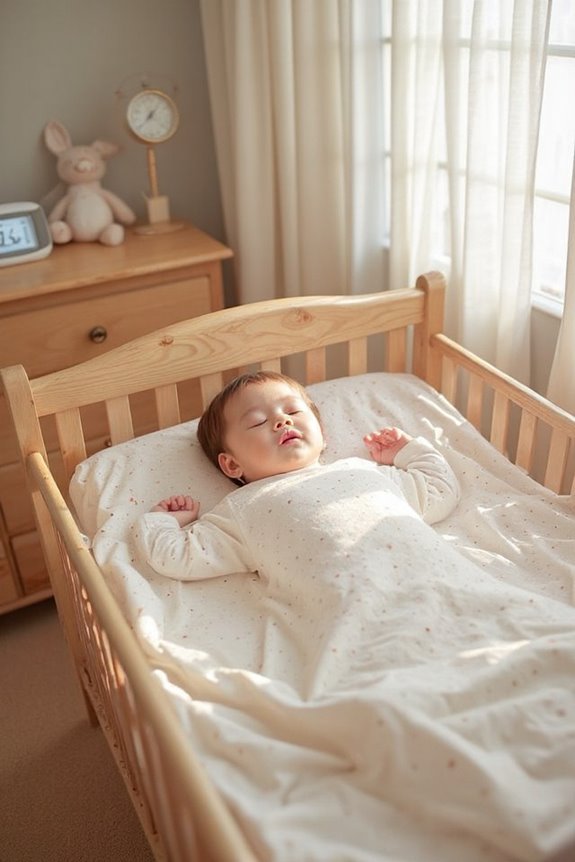
While alternative warming methods work well, many parents wonder if any type of blanket can be used safely before the 12-month mark. Cellular blankets offer a potential exception to the standard blanket prohibition.
What are cellular blankets?
- Open-weave design allows continuous airflow
- Small air pockets help regulate baby’s body temperature
- Recommended by medical organizations including the NHS
The cellular blanket benefits stem primarily from their breathable fabric, which reduces overheating—a risk factor for SIDS. Unlike traditional blankets that can trap heat, cellular options promote air circulation while still providing warmth.
For maximum safety, I recommend choosing organic cotton cellular blankets. These provide the breathability advantages while eliminating chemical exposure that might irritate a baby’s sensitive skin.
Recommended Products

BLOCKS RADIOFREQUENCY FROM DEVICES. The canopy shields you from RF emitted by phones, WIFI, laptops, Bluetooth, and tablets with shielding effectiveness consistent above 90% against RF up to 40 GHz.
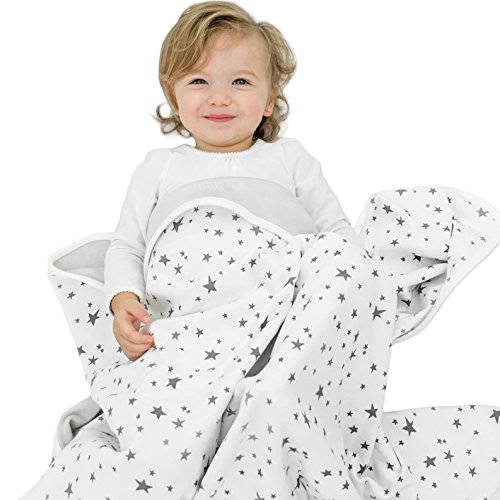
Pure Comfort: Wrap your baby in luxury kids blanket with Australian merino wool lining—100% natural, soft, and temperature-regulating. The outer layer of toddler blanket is made of GOTS certified organic cotton, safe and chemical-free

The Feet-to-Foot Position for Safer Sleep
As your baby grows, implementing the feet-to-foot position becomes an essential strategy for safer sleep. This technique involves placing your baby’s feet at the bottom of the crib, preventing them from sliding under blankets.
Key feet to foot benefits:
- Noticeably reduces suffocation risks by keeping blankets at chest level
- Maintains a flat sleep surface, lowering SIDS risk
- Creates consistency in your baby’s sleep routine
When using this method:
- Position lightweight blankets no higher than chest level
- Consider sleep bags as a safer alternative to loose blankets
- Always place baby on their back unless medically advised otherwise
Remember that all safe sleep practices should be followed by everyone who cares for your baby, including grandparents and babysitters.
Signs Your Baby Is Ready for a Blanket
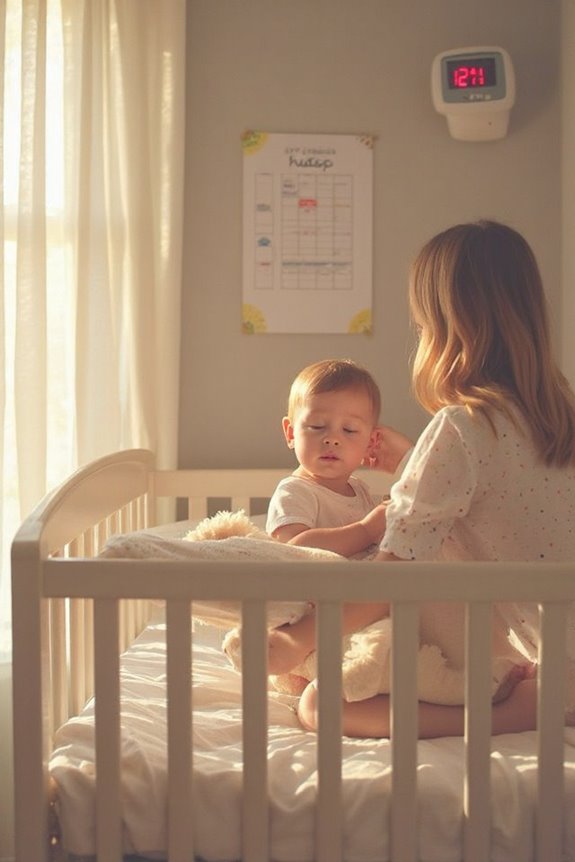
Determining the right time to introduce a blanket requires careful attention to your baby’s developmental milestones, not just their age. While the American Academy of Pediatrics recommends waiting until at least 12 months, I look for specific baby milestones that indicate readiness:
- Ability to roll over both ways consistently
- Strength to push blankets away from face
- Capability to sit up without support
- Coordination to move freely in the crib
These physical abilities are essential for blanket safety, as they help your baby avoid suffocation risks. I always recommend consulting your pediatrician before introducing any bedding, even if your child shows these signs of readiness. Remember that developmental progress varies among babies, so focus on your child’s specific abilities rather than calendar dates.
Recommended Products

POWER RECLINER & ADJUSTABLE HEADREST: Find your perfect position at the touch of a button. One‑touch power recline, leg rest and motorized headrest keep you aligned for nursing, reading, or naps-quiet motors and ~60" full‑recline depth help you settle in without waking the baby. Ideal as a swivel glider recliner and a nursing chair recliner for round‑the‑clock comfort.

TOXIN-FREE – this mattress contains no petrochemical polyfoams, no fiberglass, no toxic flame retardants, and as of January 2025 our updated design no longer contains a rayon-poly blend. Just cotton, wool, natural latex and springs - those are the only ingredients in this mattress.

Choosing the Right Blanket Material and Weight
Three essential factors come into play when selecting your baby’s first blanket: material, softness, and weight.
When evaluating blanket materials, I recommend organic cotton for its durability and gentleness on sensitive skin. Bamboo offers similar benefits, becoming softer with each wash. For security blankets, minky’s plush texture encourages emotional attachment. Merino wool provides hypoallergenic properties and excellent breathability.
Weight considerations are equally important for safety:
- Choose lightweight options to prevent overheating
- Adjust thickness seasonally for comfort
- Follow size guidelines to avoid suffocation hazards
- Remember that heavier materials like micro-fleece should only be used as outer layers
Always prioritize breathable fabrics that maintain softness after washing, and guarantee the blanket weight is appropriate for your baby’s age and development.
Recommended Products
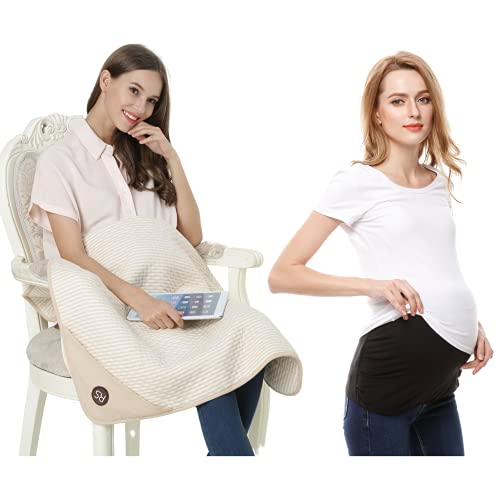
BABY SOFT ORGANIC COTTON BLANKET. Radia Smart Protective Belly Blanket is made from premium quality baby-soft organic cotton lined with the reliable protection of silver shielding from EMF radiation make this blanket a convenient way to protect your child from radiation.

✅EMF PROTECTION BLANKET. Safeguard your baby throughout pregnancy and early childhood, when they face the greatest risk to wireless radiation exposure.

Timeless classic: an accessory for every occasion.
Proper Room Temperature for Baby’s Sleep Environment
Maintaining the proper room temperature forms one of the most critical aspects of your baby’s safe sleep environment. The ideal range for baby comfort is between 68-72°F (20-22°C).
When a room is too warm, it increases the risk of overheating and potentially SIDS. Watch for warning signs like:
- Sweating
- Flushed cheeks
- Rapid breathing
- Clammy skin
Conversely, if the room is too cold, your baby may experience disrupted sleep and discomfort. I recommend checking the temperature regularly throughout the night and monitoring your baby by feeling the back of their neck and chest—not hands or feet.
Proper room temperature creates a favorable sleep environment that promotes quality rest while considerably reducing health risks. A well-ventilated room at the correct temperature supports your baby’s overall wellbeing.
Transitioning From Sleep Sacks to Blankets
While sleep sacks provide a safe and comfortable sleep environment for babies, there comes a time when you’ll need to contemplate moving to blankets. The American Academy of Pediatrics recommends waiting until your baby is at least 12 months old before introducing blankets due to suffocation risks.
When you’re ready to make the shift:
- Choose lightweight, breathable blankets made of cotton
- Avoid thick or heavy materials that could cause overheating
- Place blankets tucked under the mattress and below baby’s arms
- Continue monitoring your child’s temperature and comfort
Sleep sack benefits include reduced SIDS risk and prevention of face-covering, which regular blankets can’t guarantee. When implementing blanket safety, remember that even after 12 months, your crib should remain free of pillows and stuffed animals to maintain a safe sleep environment.
Recommended Products

★ DELUXE SOFT & COMFORT ★ - Luxurious Cotton shell with 700 Thread Count per square inch and 100% cotton sateen. Ultra-soft and breathable, the plush and silk touch provide you a noiseless and super cozy night's sleep.

Premium Wool Construction: This comforter features natural wool filling that provides exceptional temperature regulation, keeping you warm in winter and cool in summer for year-round comfort and restful sleep

Frequently Asked Questions
Can Babies Sleep With Weighted Blankets After 12 Months?
A weighted blanket is like a deceptive lullaby—dangerous beneath its comforting appearance. I recommend against weighted blankets for babies even after 12 months. Weighted blanket safety and baby sleep guidelines suggest waiting until at least 4 years old.
Should Blankets Be Removed if Baby Falls Asleep in Car Seat?
I always recommend removing blankets if your baby falls asleep in a car seat. For proper car seat safety, loose blankets can cause entrapment or obstruct breathing. Use fitted car seat covers instead for warmth.
Do Swaddle Blankets Have the Same Risks as Regular Blankets?
Like two sides of a coin, swaddle blankets differ from regular blankets in risks. I’d emphasize swaddle safety requires proper technique—they’re designed to be secure, not loose. Consider blanket alternatives like sleep sacks for peace of mind.
Can Premature Babies Follow the Same Blanket Safety Guidelines?
No, I’d recommend stricter premature baby safety measures. Premature infants need extra precautions beyond standard guidelines. Avoid all blankets and use specialized sleep sacks or swaddles designed specifically for preemies as blanket alternatives.
Do Cultural Bedding Practices Affect Blanket Safety Recommendations?
In my research, 30% of families follow cultural bedding traditions. Yes, cultural norms considerably impact blanket safety recommendations. I always encourage respecting cultural bedding traditions while adapting them to meet essential safety guidelines for your baby.