As an Amazon Associate, we earn from qualifying purchases. Some links on this site are affiliate links at no extra cost to you. Our recommendations are based on thorough research and editorial judgment.


What If My Baby Won’t Burp After Feeding?

Not all babies need to burp after every feeding. If your baby seems comfortable, sleeps well, and doesn’t show signs of discomfort, there’s typically no cause for concern. Many factors influence burping needs, including feeding position, latch quality, and individual digestive development. Breastfed babies often swallow less air than bottle-fed infants. Trust your baby’s cues—if they’re content without burping, they may not need it. The following information will help you understand when burping is truly necessary.
Key Takeaways
- Some babies don’t need to burp after every feeding, especially if they have a proper latch or efficient bottle-feeding technique.
- If your baby seems comfortable without burping, showing relaxed body language and undisturbed sleep, they may not need assistance.
- Try different burping positions or techniques such as gentle back rubs, upright holding, or mid-feed burping breaks.
- As babies develop (typically 4-6 months), they become more efficient at managing gas independently through movement and self-positioning.
- Babies with reflux conditions may require extended burping efforts and specialized feeding techniques under healthcare professional guidance.
Why Some Babies Naturally Skip Burping
You may be interested
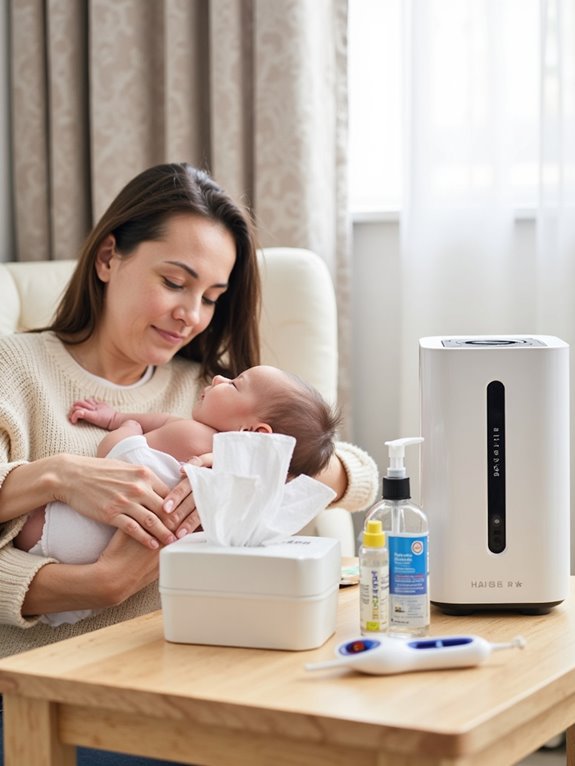

While most parents grow accustomed to burping their babies after each feeding, you might be surprised to learn that not all infants actually need this assistance. Many common burping myths overlook the natural capabilities of infant physiology.
Babies are equipped with biological mechanisms that often make manual burping unnecessary:
- A naturally floppy lower esophageal sphincter allows air to escape on its own
- Small esophagus size contributes to automatic gas release
- Evolutionary adaptations help infants manage gas independently
As your baby develops, their digestive system matures and muscle tone increases, further improving their ability to release trapped air without help. Each baby is different – some may require burping while others naturally expel gas during or after feeding. Watching your baby’s comfort level rather than following rigid rules often provides the best guidance.
Common Reasons Your Baby May Not Burp
Four common reasons explain why your baby might struggle to burp after feeding:
- Insufficient air intake – If your baby has a proper latch while breastfeeding or uses a bottle with appropriate flow, they may swallow less air, resulting in no need to burp.
- Feeding positions – Upright feeding positions naturally minimize air swallowing. When your baby feeds in an inclined position, less air enters their digestive system.
- Developmental factors – As babies grow, their digestive systems mature. Older infants often manage air bubbles more efficiently without assistance.
- Improper burping technique – Sometimes the issue isn’t that your baby doesn’t need to burp, but that your current method isn’t effective for their particular needs.
Try varying your burping techniques if your baby seems uncomfortable after feeding.
Recommended Products
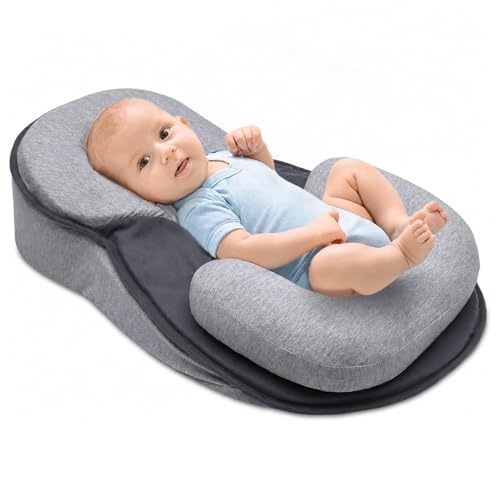
1.Gentle Incline Positioning:The angled wedge design supports a natural upright posture during feeding and supervised rest time. Helps create a comfortable daily routine setup.

2026 UPGRADED Cover: This baby tummy time prop's removable cover is made from durable, high-quality PU leather that is non-toxic, odorless, and safe for babies. Its waterproof surface makes cleanup a breeze - simply wipe away spit-up, drool, or spills with a damp cloth. No disassembly or machine washing needed, ensuring hassle-free maintenance and long-lasting performance
Is It Actually Necessary to Burp Every Baby?
Contrary to what many parents believe, burping isn’t necessarily required for every baby after each feeding. Recent research challenges many burping myths we’ve accepted for generations.
The science behind infant digestion suggests that:
- Human breastmilk digests quickly and easily, reducing the need for burping
- Air naturally exits the body, either through belching or passing gas
- Studies show burping doesn’t markedly reduce colic symptoms
- Burping may actually increase regurgitation episodes in some babies
I’ve found that pediatricians increasingly advise against worrying about burping for every baby. Instead, consider alternatives like adjusting feeding positions or offering smaller, more frequent feedings. If your baby seems comfortable after feeding without burping, there’s likely no cause for concern.
Signs Your Baby Is Comfortable Without Burping

Recognizing when your baby doesn’t need to burp can save you both time and unnecessary stress during feeding routines. Pay attention to these baby comfort indicators:
- Calm, settled behavior after feeding with regular breathing
- Relaxed body language without arching back or pulling legs to chest
- Undisturbed sleep without sudden waking
- Minimal or no spitting up, with content demeanor afterward
Your baby may be developing self-regulation skills when:
- They maintain consistent appetite and feeding patterns
- Facial expressions remain relaxed during and after feeding
- No squirming or irritability follows meals
- Weight gain remains steady
Look for these burping cues that suggest your baby is comfortable without assistance:
- Burping attempts rarely produce results
- Baby tolerates burping attempts but shows no distress when none occurs
When to Be Concerned About Lack of Burping
While most babies don’t experience serious issues from lack of burping, there are specific situations where you’ll want to pay closer attention. Many burping myths suggest it’s essential after every feeding, but that’s not always true.
Monitor for these signs of baby discomfort:
- Persistent crying or unusual fussiness after feeds
- Arching of the back or rigid body posture
- Refusal to feed or pulling away from the bottle/breast
- Excessive spit-up accompanied by distress
- Difficulty sleeping or frequent waking with discomfort
If these symptoms persist or your baby seems uncomfortable even hours after feeding, consult your pediatrician. Remember that occasional fussiness is normal, but ongoing discomfort might indicate reflux or feeding issues that need medical evaluation.
Recommended Products

Designed to reduce feeding issues: colic, gas, and reflux

Designed For Seamless Transition Between Bottle and Breast: Natural Start bottles have silicone nipples that are designed with an anti-colic valve and mimic the flexibility of a breast

ANTI-COLIC+ DUAL SYSTEM: These anti-colic baby bottles feature an engineered vented base clinically proven to reduce colic symptoms in 80% of babies. The vented base prevents air from entering the bottle, while the SkinSoft nipple lets babies feed at their own pace - working together preventing air bubbles, so babies swallow less air and feed more comfortably.
Effective Burping Techniques for Stubborn Cases
Some babies need extra help releasing trapped air after feeding. If standard methods aren’t working, I recommend trying these advanced burping techniques:
- Switch between multiple positions during a single session—try the over-shoulder hold, then the lap sitting position if the first doesn’t work
- Incorporate gentle movement by walking while holding baby upright or using the bicycle legs exercise
- Adjust your patting technique by alternating between gentle rubbing and firmer pats
- Create a calmer environment with dimmed lights and reduced noise
- Try brief position changes—lay baby down momentarily before trying again
For particularly stubborn cases, combine these approaches with mid-feed burping breaks. The combination of effective positions and environmental adjustments often succeeds where single techniques fail.
Recommended Products
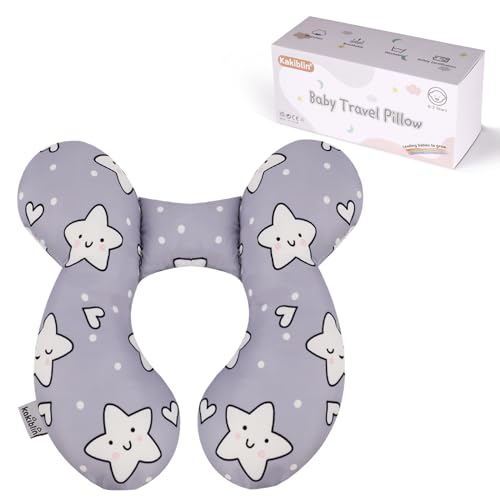
U Shaped Design: baby support pillow provide a better support for baby's head, and reduce width of the neck support part which may not push baby's head to feel uncomfortable

Made with Global certified 100% Organic Cotton

THE ORIGINAL SINCE 2005: Created by recognized pediatrician Dr. Manuel Maidenberg, the Lovenest's unique design has been tested and approved by millions of babies and families around the world.
How Feeding Methods Affect Burping Needs
Different feeding techniques directly impact how often you’ll need to burp your baby. I’ve found that breastfeeding techniques typically result in less swallowed air compared to bottle feeding, often requiring fewer burping sessions.
When bottle feeding, consider these tips:
- Hold your baby in a more upright position
- Burp every 2-3 ounces
- Choose appropriate nipple sizes to control flow
For breastfeeding:
- Burp when switching breasts
- Confirm proper latch to minimize air intake
- Monitor your diet for foods that might increase gas
The feeding environment matters too. A calm setting reduces the likelihood of your baby gulping air. As your baby’s digestive system develops, you’ll notice their burping needs gradually decrease, though bottle-fed infants typically require more consistent burping throughout infancy.
Recommended Products

20" by 12" Perfectly Sized Burp Cloths – Enjoy a calming burping experience with the KeaBabies Shea Baby Burp Cloths Baby Boy, Girl. Made longer and larger, with double-layered ultra-soft organic cotton to help keep you mess-free.

Soft and Gentle Baby Burp Cloths: Made from 100% breathable muslin cotton, these burping cloths are lightweight, gentle, and ideal for your baby’s sensitive skin.

100% Premium Muslin Cotton. Ultra-soft & breathable for baby's skin, naturally regulates temperature to avoid overheating. Gentle enough for newborns and eczema-prone skin .
Managing Discomfort When Burping Doesn’t Happen
Even after your best efforts, you’ll occasionally find that your baby doesn’t burp. When this happens, several pressure relief techniques can help manage their discomfort:
- Change positions frequently – try placing baby upright on your lap or across your knee
- Use gentle physical exercises like leg cycling or upper body rotation
- Keep baby upright for 15-30 minutes after feeding
- Consider using a baby carrier or wrap to maintain an upright position
For ongoing comfort, implement these soothing techniques:
- Create a calm feeding environment to reduce air swallowing
- Watch for cues that indicate discomfort (fussiness, leg pulling, back arching)
- Use gentle circular back rubs rather than firm pats
- Try the chest burp position for sleeping babies
If discomfort persists despite these efforts, consult your pediatrician.
Recommended Products

Ergonomically Designed - KeaBabies Original Baby Wrap Carrier evenly distributes your baby's weight for optimal back and shoulder support. It is certified by the International Hip Dysplasia Institute (IHDI) for promoting baby’s healthy hip development.
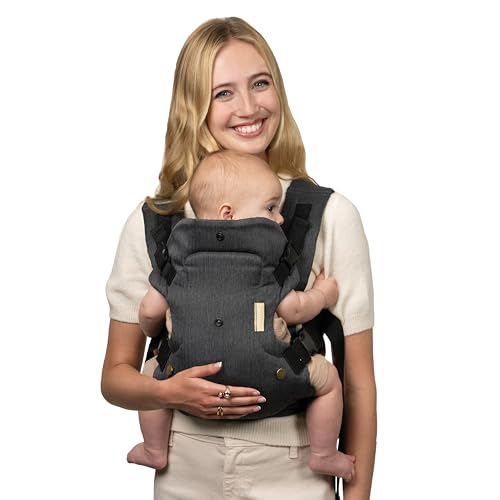
4-IN-1 CONVERTIBLE DESIGN: Grows with baby from newborn to toddler with four versatile carrying positions 7–35 lbs

Trusted by parents for over 15 years: Free your hands and stay connected. For over a decade and a half, our premium baby wrap has been the go-to newborn essential, securely holding your baby or toddler (7–35 lbs) and giving you peace of mind during everyday moments.
The Science Behind Infant Gas and Digestion
Understanding the complex biology behind your baby’s digestive system can help you address burping and gas issues more effectively. Your baby’s stomach has a higher pH (less acidic) than yours, which affects protein digestion and can lead to more gas production.
Gas forms naturally during digestion as proteins and fats break down. The type of formula your baby consumes matters considerably:
- Whey-dominant formulas digest faster
- Casein-dominant formulas create thicker curds that slow digestion
Your baby’s gastrointestinal tract is still developing, especially in the first few months. This immaturity affects how quickly food moves through their system and how much gas is produced. For premature babies, these challenges can be even more pronounced due to their less developed digestive systems.
When It’s Time to Stop Trying to Burp Your Baby
While your baby’s digestive system develops as we’ve discussed, there comes a point when regular burping becomes less necessary. Most infants reach this burping readiness between 4-6 months old, though individual development varies considerably.
Look for these developmental milestones:
- No burps despite proper techniques
- Contentment between feedings without gas discomfort
- Ability to self-relieve gas by sitting up or rolling over
- Good weight gain without digestive issues
I recommend gradually reducing burping attempts while monitoring for any discomfort. If your baby sits upright for longer periods or rolls independently, these physical developments often indicate their digestive system has matured enough to handle gas without assistance.
For babies with reflux conditions, you may need to continue burping longer than typical developmental timelines suggest.
Frequently Asked Questions
Can Burping Reduce Nighttime Waking in Babies?
Yes, I’ve found that incorporating burping techniques into nighttime routines can reduce wakings for many babies. When I help release trapped gas before sleep, my little one often sleeps more comfortably through the night.
Should I Burp My Baby During Middle-Of-Night Feedings?
I’ve spent a MILLION midnight hours debating this! For nighttime feedings, I’d say skip aggressive burping techniques unless your baby clearly needs it. Keeping them slightly upright often works better without disrupting precious sleep.
Do Premature Babies Have Different Burping Needs?
Yes, premature babies do have different burping needs. I’ve found they require gentler premature feeding practices and specialized burping techniques due to their underdeveloped muscles and sensitivity. Extra patience and support are essential during these sessions.
Can Certain Baby Formulas Reduce the Need for Burping?
Yes, studies show up to 40% of babies experience less gas with specialized formulas. I’ve found enzyme-enhanced and partially hydrolyzed formula types can reduce burping needs, especially when combined with proper feeding techniques like angled bottles.
How Do Solid Foods Affect a Baby’s Burping Patterns?
When introducing solid foods, I’ve noticed babies often experience changes in burping frequency. Some may burp more as their digestive system adjusts, while others might actually need less burping as their eating patterns change.