As an Amazon Associate, we earn from qualifying purchases. Some links on this site are affiliate links at no extra cost to you. Our recommendations are based on thorough research and editorial judgment.


Tips for Getting Your Baby to Sleep in Their Crib

To help your baby sleep in their crib, guarantee it’s safe with a firm mattress and no loose items. Establish a consistent bedtime routine before 9 PM with calming activities like baths and stories. Shift gradually by starting with daytime naps, then reducing physical contact over time. Address challenges by checking for discomfort, maintaining a 68-72°F room temperature, and using white noise. Track sleep patterns to make informed adjustments as your baby develops self-soothing skills.
Key Takeaways
- Create a consistent bedtime routine with calming activities like baths, stories, or lullabies before 9 PM.
- Ensure the crib has a firm mattress with no gaps, proper slat spacing, and remove all pillows, blankets, and toys.
- Gradually transition baby to the crib by starting with daytime naps and slowly reducing physical contact.
- Maintain optimal sleep conditions with room temperatures between 68-72°F, white noise, and blackout curtains.
- Allow brief periods of mild crying to encourage self-soothing skills while monitoring sleep patterns.
Creating a Safe and Comfortable Crib Environment


When it comes to your baby’s sleep space, safety must be your top priority. I recommend starting with a firm mattress that fits snugly in the crib—there shouldn’t be gaps larger than two fingers between the mattress and crib sides.
For ideal crib safety:
- Verify slats are no more than 2⅜ inches apart
- Keep the sleep environment completely bare except for a tight-fitting sheet
- Remove all pillows, blankets, and stuffed toys
- Regularly check for loose hardware or damaged parts
Maintain a comfortable temperature by dressing your baby in one more layer than you’d wear. Consider using a sleep sack instead of blankets for warmth. Remember to place your baby on their back every time—this position considerably reduces SIDS risk.
Recommended Products

SAFETY ALL THE WAY: This Dream On Me Crib Mattress is Greenguard Gold Certified and meets/exceeds all flammability (16 CFR 1632/1633), phthalate and lead tests. It is also designed, engineered, and proudly made in the USA, with a 10-year warranty.

Healthy Support: GREENGUARD Gold certified crib mattress; Tested for low chemical emissions; Creates a cleaner sleeping environment for newborns and infants; Meets stringent safety standards; Pediatrician recommended design

GREENGUARD GOLD CERTIFIED: Certified products are screened for more than 10,000 chemicals and VOCs known to pollute indoor air; Waterproof sleep surface with a PVC-free TPU coating, designed to keep your crib mattress clean, dry, and cozy
Establishing a Consistent Bedtime Routine
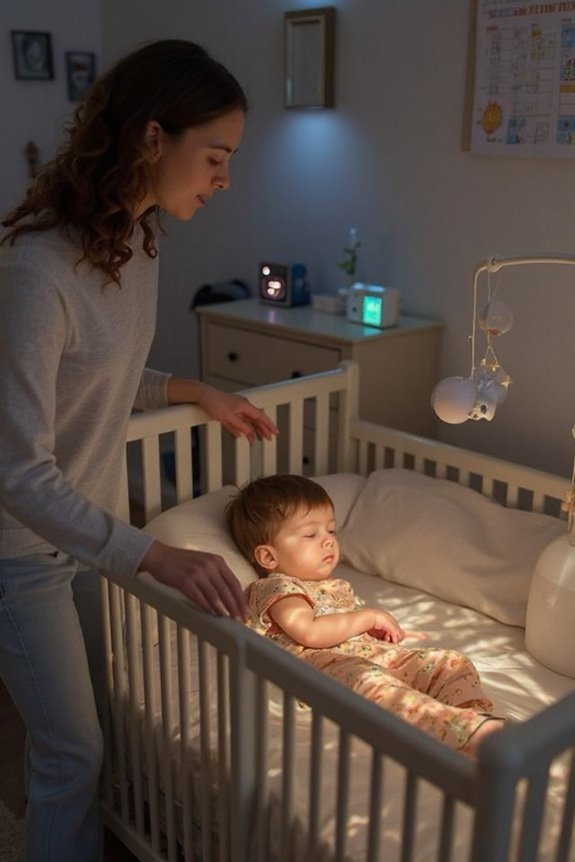
Now that your baby has a safe sleep environment, let’s focus on helping them actually fall asleep in it. Implementing a regular bedtime routine offers significant bedtime benefits for both you and your little one:
- Helps regulate your baby’s internal clock
- Reduces the time it takes for them to fall asleep
- Decreases night wakings
- Improves your mood as a parent
For best results:
- Start your routine before 9 PM
- Repeat it at least five nights weekly
- Include calming activities (bath, story, lullaby)
While consistency is essential, routine flexibility allows you to accommodate occasional schedule changes. Remember that a consistent routine doesn’t mean rigid—it means predictable. Your baby will learn to recognize sleep cues, making crib shifts smoother and improving everyone’s quality of rest.
Recommended Products


2024 UPGRADED 2-IN-1 MORNING/BEDTIME ROUTINE CHART FOR KIDS - The easy-to-slide sliders make it simple for little hands, and the thicker material offers a premium feel. The top-to-bottom task slide-in design adds convenience, helping kids stay on track with their daily routines. A must-have for busy families!

VISUAL SCHEDULE FOR KIDS: Our wooden chore chart is designed to help kids learn in a fun way. It helps reinforce the concept of evening routines, gives children a clear idea of what is supposed to do, and reduces confusion and transition anxiety.
Gradual Transition Techniques for Crib Sleeping
Shifting your baby to crib sleeping doesn’t have to happen overnight. I recommend using familiarization techniques first – spend daytime hours in the nursery so your baby associates the space with comfort.
Consider these proven approaches:
- Start with the first nap of the day when sleep pressure is highest
- Implement physical contact reduction gradually over days or weeks
- Try the chair method by sitting beside the crib, then slowly moving the chair farther away each night
- Maintain predictability importance by keeping change schedules consistent
Remember to observe your baby’s responses and adjust accordingly. The change period varies for each child, but consistency is key. These gradual methods help minimize stress while building your baby’s confidence in independent sleeping.
Recommended Products


Shedding new light on your baby's sleep patterns and helping you set realistic goals

Top and Back Layer made with Soft 100% Polyester material; Middle Waterproof/Breathable Layer
Addressing Common Crib Sleeping Challenges
Even after establishing a gradual crib shift, many parents face ongoing challenges with their baby’s sleep. When your little one experiences a sleep regression, you’ll notice more frequent night wakings and increased fussiness. These temporary disruptions often coincide with developmental milestones.
If your baby is crying in the crib, consider these crying solutions:
- Check for medical issues, soiled diapers, or hunger needs
- Confirm room temperature stays between 68-72°F
- Use white noise to mask disruptive sounds
- Maintain darkness with blackout curtains
- Allow brief periods of mild crying as they learn to self-soothe
Remember that consistent routines help babies associate their crib with sleep. If crying persists beyond a few minutes, gently reassure your baby while maintaining your sleep training approach. Most crib challenges resolve as your baby adapts to their sleep environment.
Recommended Products

【COMPACT BUT POWERFUL】- D11 Max has more skills. Designed for all things sleep, this sound machine comes with favorable features: rechargeable battery, 21 soothing sounds, customized timers, various volume levels, child-lock for safety, and even memory functions! It is not only a sleep soother sound machine for baby kids, but also an effective white noise machine for adults sleeping & relaxation.

𝟑𝟎 𝐒𝐨𝐨𝐭𝐡𝐢𝐧𝐠 𝐒𝐨𝐮𝐧𝐝𝐬 𝐟𝐨𝐫 𝐋𝐢𝐟𝐞 & 𝐅𝐨𝐜𝐮𝐬: Choose from 8 white noises, 8 fan sounds, 10 nature sounds (rain, ocean, birds), and 4 lullabies—all crisp and clear. Skip scrolling with one-tap playback to instantly block snoring, traffic, or office noise. One device creates the perfect backdrop for sleep, work, yoga, travel, or quiet nights.
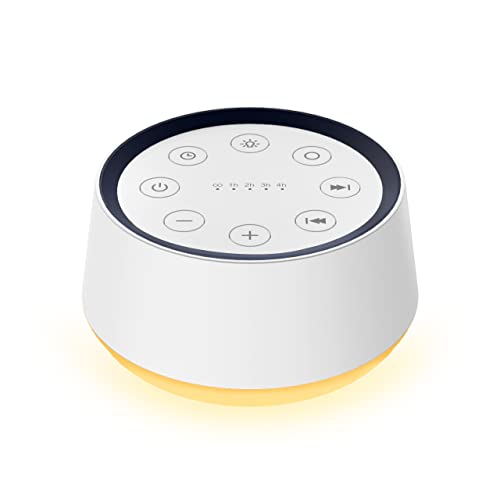
❤[30 Natural and Soothing Sounds] Our white noise machine provides 30 soothing sounds, including 3 Brown noise, 2 White noise(White noise, Pink noise), 2 fan noises( Loud and Soft Fan), 8 lullabies and 15 natural sounds( Rain, Sea waves, Brook, Bird, Train, etc.). This sound machine suitable for relieve stress, relax your mind and create a relaxing sleep environment.
Monitoring and Adjusting Your Baby’s Sleep Progress

Once you’ve established initial crib sleeping habits, monitoring your baby’s sleep patterns becomes crucial for long-term success. I recommend maintaining detailed sleep logs to track your baby’s progress over time, noting:
- Total sleep duration
- Number of night wakings
- Self-soothing instances
- Nighttime interventions needed
Tracking these sleep metrics allows you to identify patterns and make data-driven adjustments to your approach. If your baby struggles with certain aspects of crib sleeping, consider gradual modifications to your strategy rather than complete overhauls.
Be consistent with any changes you implement, but remain flexible as your baby develops. Remember that sleep needs evolve with age and developmental milestones. Regular evaluation of your strategy guarantees you’re adapting appropriately to support your baby’s growing independence in the crib.
Recommended Products


THOUGHTFUL INFANT CARE - With this daily baby care journal book, you can record various details of baby's nursing, eating, sleeping, diaper changing and activities in details to help baby grow up healthily

THOUGHTFUL INFANT CARE - With this daily baby care journal book, you can record various details of baby's nursing, eating, sleeping, diaper changing and activities in details to help baby grow up healthily
Frequently Asked Questions
When Should I Transition My Baby From Bassinet to Crib?
I’d shift your baby from bassinet to crib around 4 months, or when they reach the weight limit (10-45 pounds). Watch for shift signs like rolling over, increased mobility, and sleeping through the night.
Can I Use Crib Bumpers to Prevent My Baby Hitting Their Head?
I don’t recommend crib bumpers for head injury prevention. They pose serious suffocation risks that outweigh any benefits. Modern cribs have safe slat spacing, and a bare crib is the safest sleep environment for your baby.
Should I Wake My Baby for Feedings When They’re Sleeping Well?
Let sleeping babies lie like undisturbed water. I don’t recommend waking a sleeping baby for feedings unless medically advised. Their natural baby sleep patterns typically guide feeding schedules, especially once they’re gaining weight appropriately.
How Do I Handle Nighttime Diaper Changes Without Fully Waking Baby?
I’ve found incorporating diaper changes into your nighttime routine works best. Use low lighting, warm wipes, and quick diaper change techniques. Keep movements gentle and minimize talking to help your baby stay drowsy throughout.
Is Co-Sleeping Ever Safe as an Alternative to Crib Sleeping?
With 9 in 10 parents co-sleeping at some point, I understand the appeal. While co-sleeping risks include increased SIDS danger, room-sharing is a safe alternative that keeps baby close while maintaining separate sleep surfaces.