As an Amazon Associate, we earn from qualifying purchases. Some links on this site are affiliate links at no extra cost to you. Our recommendations are based on thorough research and editorial judgment.

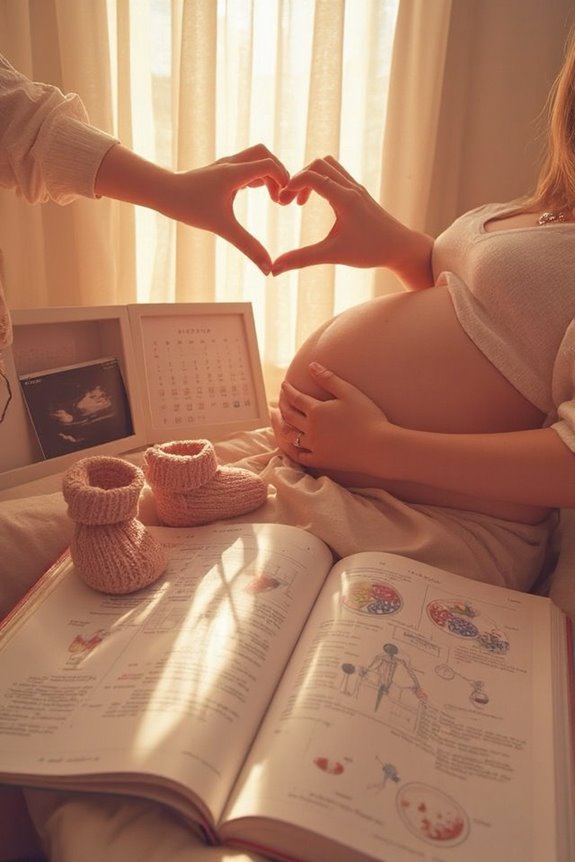
How Are Babies Made? Understanding the Basics

Babies are created when a sperm cell from the father fertilizes an egg cell from the mother during sexual intercourse. After fertilization in the fallopian tube, the resulting zygote divides rapidly, forming a blastocyst that implants in the uterine wall. Over approximately 40 weeks, this single cell develops into a fully-formed baby through complex hormonal processes and cellular differentiation. The journey from conception to birth involves remarkable biological coordination between male and female reproductive systems. Let’s explore how this miracle unfolds.
Key Takeaways
- Babies begin with fertilization, when a sperm cell successfully enters an egg in the fallopian tube.
- After fertilization, the single-celled zygote undergoes rapid division, forming a blastocyst that implants in the uterus.
- Conception requires a viable egg (lasting 24 hours) and healthy sperm (surviving acidic environments and immune responses).
- Major organ systems begin forming during weeks 1-8, with the heart pumping blood by weeks 5-8.
- By week 10, the embryo becomes a fetus with developing organs that continue growing until birth.
The Science of Fertilization: When Egg Meets Sperm
You may be interested

When we talk about how babies are made, it’s important to understand the remarkable biological process of fertilization. This journey begins when sperm enter the female reproductive tract during intercourse.
Despite millions of sperm being released, intense sperm competition occurs as they travel through the cervix and uterus. Most don’t survive this journey due to:
- The acidic environment of the vagina
- Getting trapped in cervical mucus
- The body’s immune response
The few survivors must reach the fallopian tube within a specific timeframe, as egg viability lasts only about 24 hours after ovulation. Typically, fertilization occurs in the fallopian tube when a single sperm penetrates the egg’s outer layer, forming a zygote—the beginning of human development.
Recommended Products

Specially designed for women trying to conceive: These easy@Home ovulation tests help women predict their fertile days, even if their cycle lengths vary

Specially designed for "Trying to conceive” women to get pregnant naturally: easy@Home ovulation tests give women a greater chance of predicting their most fertile days, even if their cycle lengths are variable

Perfect for women trying to conceive (TTC) naturally: Easy@Home’s new ovulation test kit can help you navigate your TTC journey and make getting pregnant easier. Pregnancy testing can predict pregnancy earlier than a missed period. This combination kit includes 25 Ovulation Test Strips and 10 Pregnancy Test Strips
From Zygote to Embryo: The First Stages of Life
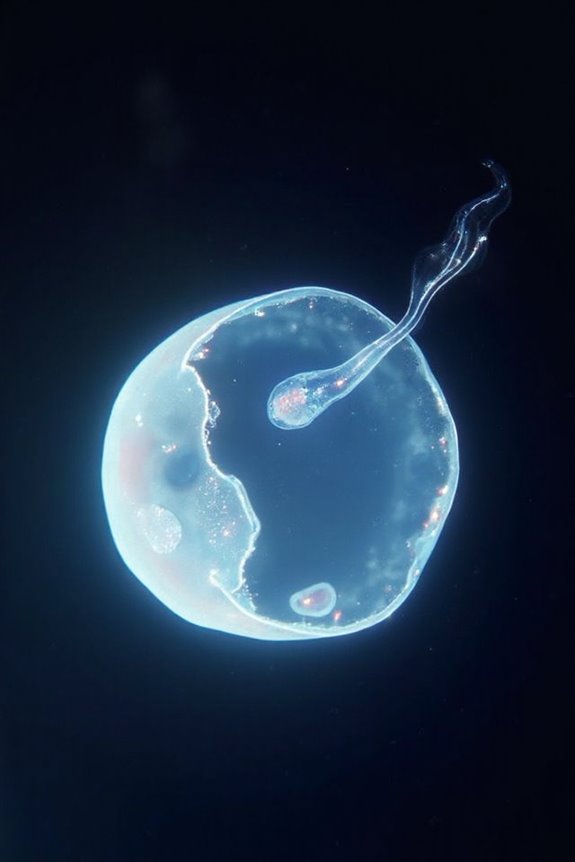
After fertilization occurs, the journey from a single-celled zygote to a complex embryo begins through a remarkable series of cellular divisions and transformations.
The zygote development process starts immediately after conception in the fallopian tube. This single cell, containing 46 chromosomes from both parents, undergoes rapid division as it travels toward the uterus. Within days, it forms a morula—a raspberry-like cluster of cells.
Upon reaching the uterus, the morula develops into a blastocyst with:
- An outer layer that will form the placenta
- An inner cell mass that becomes the embryo
Embryo formation advances as the blastocyst implants in the uterine wall. During the following weeks, specialized cells differentiate to create essential organ systems. By the end of the first trimester, the embryo evolves into a fetus.
Recommended Products

Material: The anatomical human embryo development model is made of PVC material by casting mold, with real appearance, real operation and high durability

▲Material & Craftsmanship - Medical Quality. The model of the human body is made in non-toxic PVC material, easy to clean. It is detailedly hand painted with fine craftsmanship and installed on a nice-looking Oak-wooden Base.

The Female Reproductive System’s Essential Role
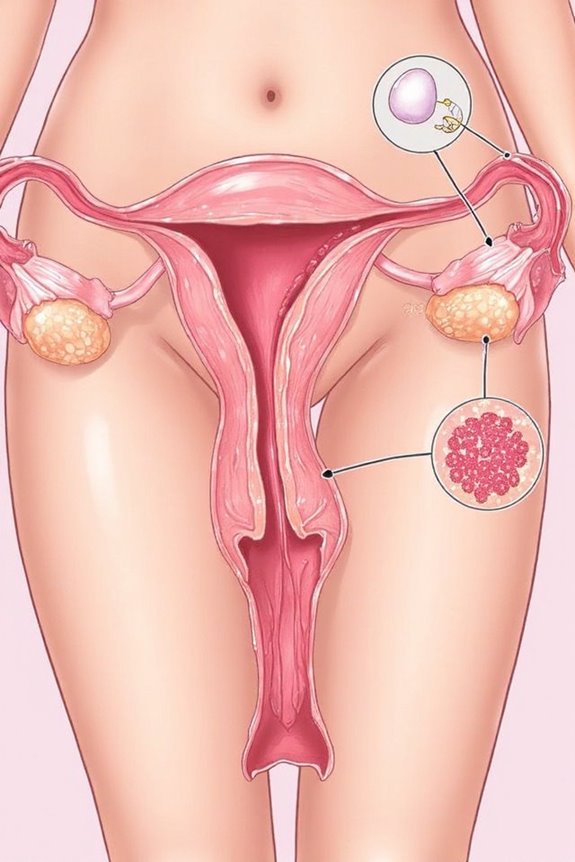
The female reproductive system represents a marvel of biological engineering, designed specifically for creating and nurturing new life. At its core are the ovaries, which serve dual functions: releasing eggs during ovulation and maintaining hormonal balance through estrogen and progesterone production.
This intricate system operates on a cyclical timeline:
- The uterus prepares monthly for potential pregnancy
- Fallopian tubes provide the pathway for egg transport and fertilization
- Hormones like FSH and LH regulate ovarian function throughout the cycle
The reproductive anatomy also includes protective structures:
- The vagina serves as both birth canal and menstrual outlet
- The cervix acts as gatekeeper to the uterus
- External structures (vulva) provide protection against infection
These components work together seamlessly to enable conception and support fetal development when fertilization occurs.
Recommended Products

【Life-Size Female Uterus and Ovaries Anatomical Model】This human uterus and ovaries anatomy model is designed to match the actual size of the female reproductive organs, providing a realistic and detailed representation for comprehensive anatomical study. Perfect for medical education, research, and professional use.

Non-toxic environmentally friendly PVC material, easy to clean and will last for years.

Anatomical Female Pelvis Model: Meriden female anatomy model shows one-half of the female genital organs with bladder and removable rectum. This life-size anatomy model features the female reproductive system, urinary system, and muscular anatomy. The female pelvis model is numbered and painted in vivid detail.
The Male Contribution to Creating New Life

Just as egg cells form the foundation of female reproduction, sperm represents the male’s essential contribution to creating new life. This microscopic cell is produced in the testes through a process called spermatogenesis.
The male reproductive system is a marvel of biological engineering:
- Sperm production occurs within the seminiferous tubules of the testes
- Newly formed sperm travels to the epididymis for maturation (about two weeks)
- Mature sperm moves through the vas deferens during ejaculation
Hormonal regulation is critical to this entire process. The brain’s pituitary gland releases FSH and LH, which signal the testes to produce testosterone and sperm. This delicate balance guarantees healthy sperm development and maintains male fertility.
When everything functions properly, millions of sperm are released during ejaculation, beginning their journey toward potential fertilization.
Recommended Products

PROVEN-ACCURATE HOME SPERM TEST KIT: SpermCheck Fertility uses scientifically-proven lateral-flow immunoassay technology to indicate normal or low sperm count in males, with an accuracy rate of over 98% in clinical trials.

Fertility Test Kit for Men – At-Home Fertility Screening Tool: A simple and private option for personal at-home use . This test is designed for men who want results without lab visits or mailing samples.

ACCURATE and DOCTOR RECOMMENDED - This FDA Cleared at-home male fertility test reports results with greater than 97% accuracy in clinical trials. It’s fast, reliable, and the most extensively validated at-home semen analysis system on the market today. The results are based on current World Health Organization 6th Edition standards, and Fertility Improvement Resources are included!
The Miracle of Pregnancy: Development and Growth
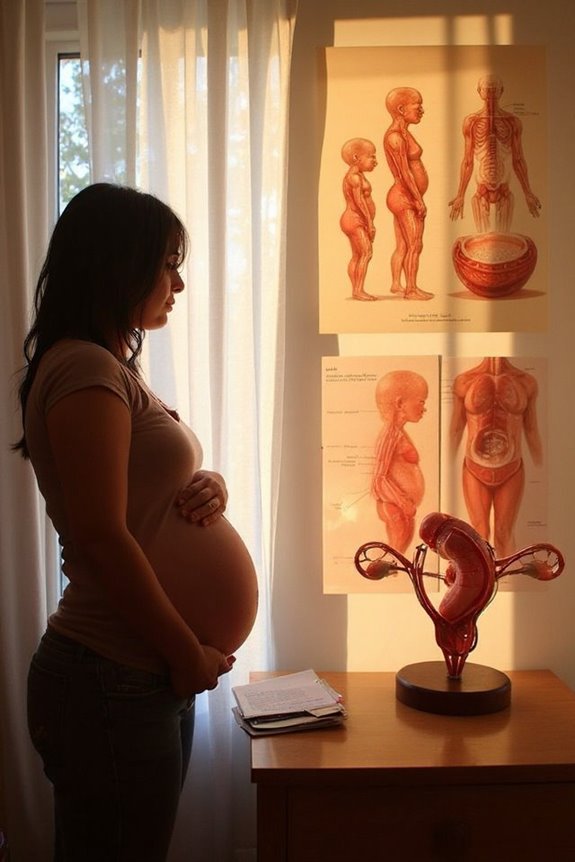
From the moment fertilization occurs, a remarkable journey of development begins inside a woman’s body. The fertilized egg, or zygote, undergoes rapid cell division as it travels to the uterus. Around days 6-10, this cluster of cells—now a blastocyst—implants in the uterine wall.
Key embryonic milestones include:
- Weeks 1-8: Major organ systems begin forming
- Day 17: Gastrulation creates the three foundational germ layers
- Weeks 5-8: Heart begins pumping blood and neural tube forms
By week 10, the embryo becomes a fetus, entering a phase of fetal maturation. During this time:
- Organs continue developing and becoming functional
- The brain grows rapidly
- Movements become increasingly coordinated
- Lungs prepare for breathing outside the womb
Recommended Products

Realistic Teaching Aid: This Full-term Fetus Model shows fetal development inside the uterus with clear anatomical detail, helping instructors explain pregnancy structure more concretely in physiology lessons, schools, nursing schools, and health schools


Set of nine individual models mounted on stands show the stages of human development.
Frequently Asked Questions
How Long After Sex Can You Take a Pregnancy Test?
I recommend waiting at least 10-14 days after sex for ideal home pregnancy test accuracy. For best results, test after your missed period when hCG levels are high enough to detect reliably.
Can Twins Be Conceived on Different Days?
Yes, through a rare process called superfetation, I can tell you that twins can be conceived on different days. This creates twin conception with noticeable gestational differences, as the embryos develop at separate paces.
Why Do Some Couples Struggle With Unexplained Infertility?
Heart-wrenching as it may seem, I understand your struggle with unexplained infertility. Despite normal test results, hidden issues like sperm DNA damage or subtle anatomical problems can occur. Fertility treatments often help couples overcome these mysterious barriers.
How Does Maternal Age Affect Chromosomal Abnormalities?
As I’ve studied maternal health, I’ve found that genetic risks increase with age. My chromosomes don’t separate as efficiently when I’m older, raising the likelihood of passing abnormalities to my baby.
Can Stress or Emotions Affect Conception Chances?
Yes, I’ve found stress impact can reduce conception chances by disrupting hormones needed for ovulation. Your emotional wellbeing matters too—high stress can decrease libido and affect the timing of intercourse necessary for pregnancy.