As an Amazon Associate, we earn from qualifying purchases. Some links on this site are affiliate links at no extra cost to you. Our recommendations are based on thorough research and editorial judgment.


How to Burp a Baby: A Simple Guide for New Parents

To burp your baby, position them securely with head support in one of three positions: over your shoulder, sitting on your lap, or lying across your lap. Place a burp cloth underneath to catch spit-up. Gently pat their back with a cupped hand for 1-2 minutes or until they burp. Burp bottle-fed babies every 2-3 ounces and breastfed babies when switching breasts. Watch for signs like arched backs indicating they need burping. The following techniques will help you master this essential parenting skill.
Key Takeaways
- Position baby securely in one of three effective positions: over-the-shoulder, sitting on lap, or lying across lap.
- Place a burp cloth over your shoulder or lap to catch potential spit-up during burping.
- Pat baby’s back gently with a cupped hand for 1-2 minutes using rhythmic movements.
- Burp bottle-fed babies every 2-3 ounces and breastfed babies when switching breasts.
- Try different positions if baby doesn’t burp initially, ensuring their back and belly remain straight.
Why Burping Your Baby Matters
You may be interested
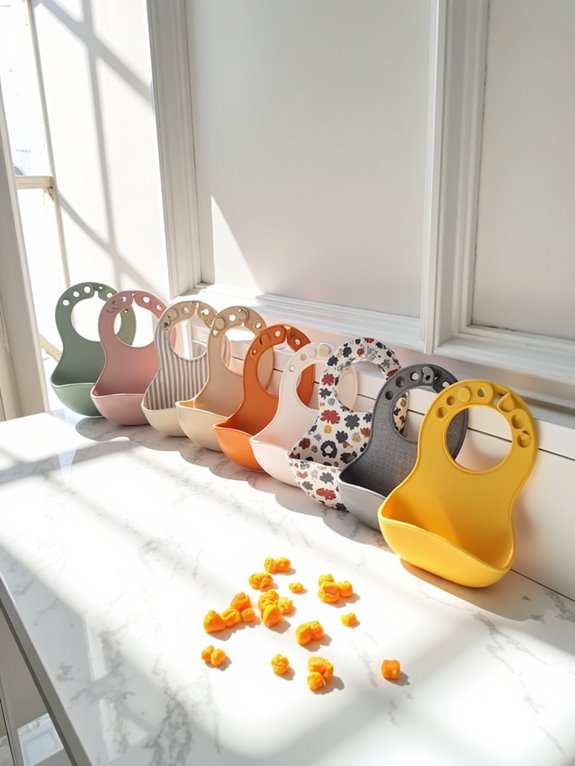

While many parenting practices have evolved over time, burping remains an important part of infant care that serves a practical purpose. When babies feed, they often swallow air that can cause discomfort, bloating, and fussiness.
Burping Benefits
- Helps release trapped air from your baby’s stomach
- May reduce bloating and associated discomfort
- Can prevent excessive gas buildup
Burping Myths
- It doesn’t greatly reduce colic episodes
- Not all babies need burping after every feeding
- Burping might actually increase regurgitation in some infants
I’ve found that understanding both the importance and limitations of burping helps new parents make informed decisions. While burping won’t solve all digestive issues, it’s a simple technique that can provide comfort to many babies experiencing gas-related discomfort.
When to Burp Your Newborn

Now that you understand why burping matters, let’s focus on the timing of this important caregiving task. Establishing the right burping frequency directly impacts your baby’s comfort.
For bottle-fed babies, pause for burping every 2-3 ounces. If you’re breastfeeding, burp when switching from one breast to the other. Always burp your baby:
- After completing a feeding
- Before putting them down to sleep
- When they show signs of discomfort (arched back, clenched fists)
- If they’re particularly gassy or spit up frequently
Babies with GERD may need more frequent burping sessions. Pay attention to your newborn’s cues and adjust accordingly—some infants naturally swallow less air and require less burping. Maintaining consistency in your burping routine helps establish a predictable feeding experience.
Recommended Products

💎ESSENTIAL ITEM- Our multi-functional muslin burp cloth, measuring 20x10 inches, is perfect for all your needs. Made of 100% pure natural muslin cotton, it is soft, breathable & skin-friendly making it ideal for a baby's sensitive skin.

Super Soft & Plush – Crafted with the softest organic cotton for sensitive skin, KeaBabies Urban Burp Cloth is highly absorbent, fluffy, yet thicker than muslin burp cloths. No more worries about little messes!
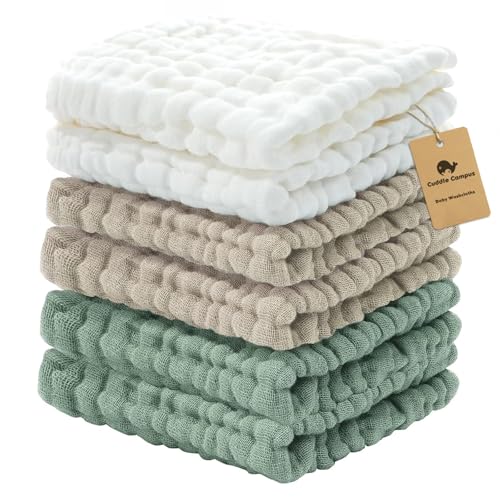
Specially designed for babies: Our baby washcloths are designed for the delicate and sensitive skin of newborns. The 6-pack baby wash cloth can easily meet the needs of your whole family. The size is 12x12 inches, the colors are very beautiful, and they can be machine washed.
Most Effective Burping Positions

Several effective positions exist for burping your baby, each with unique benefits for different situations. The most common burping techniques include:
- Over-the-shoulder position: Hold baby upright against your shoulder with one hand supporting the bottom and the other patting the back. Use a towel to catch spit-up.
- Lap sitting: Position baby facing away from you while supporting the head and neck. This keeps the airway clear while you pat their back.
- Across-lap method: Lay baby on their tummy across your lap with head slightly elevated and turned sideways.
- Upright with forward lean: Support baby’s chin while they lean forward slightly at the waist.
Despite common burping myths, evidence doesn’t show that burping considerably reduces colic. Always support your baby’s head for airway safety.
Recommended Products
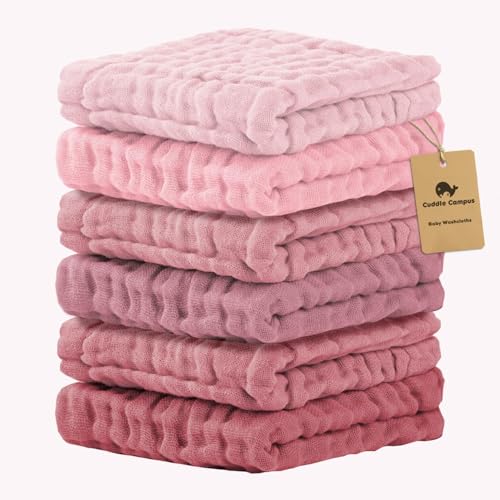
Specially designed for babies: Our baby washcloths are designed for the delicate and sensitive skin of newborns. The 6-pack baby wash cloth can easily meet the needs of your whole family. The size is 12x12 inches, the colors are very beautiful, and they can be machine washed.

👶 Gentle on Baby's Skin: Crafted from 100% premium cotton, our burp cloths provide a soft, breathable comfort for your little one. The natural muslin material is perfect for all skin types, including sensitive and delicate skin, making it ideal for use on the face, hands, and body.

Ultra Soft and Silky: Crafted with 100% premium microfiber coral fleece, our burp cloths are exceptionally gentle and silky to the touch, providing the perfect comfort for your baby. Measuring a generous 20 by 10 inches, each set includes 8 burping cloths for your little one
Step-by-Step Burping Techniques
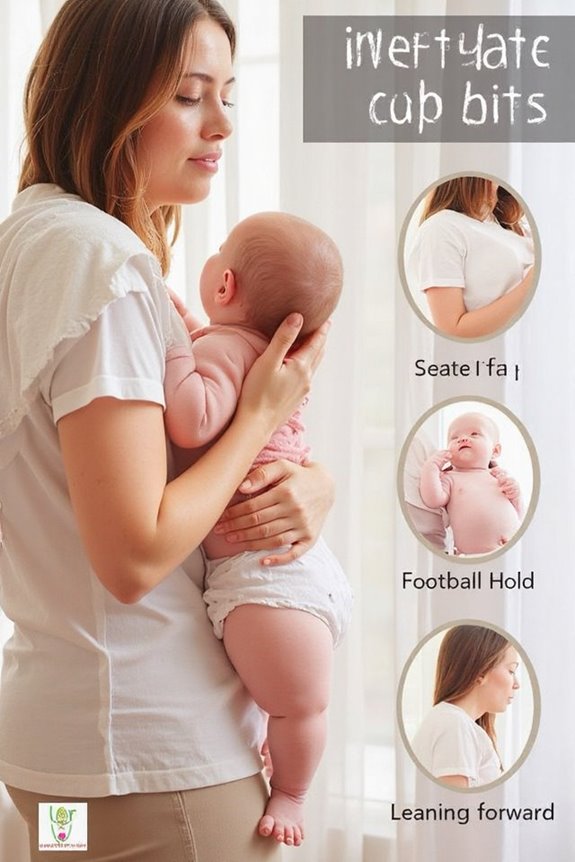
Mastering effective burping techniques helps your baby stay comfortable and reduces the likelihood of gas-related discomfort. Here’s how to perform this essential task:
- Position your baby securely, ensuring their head and chest are well-supported
- Place a burp cloth over your clothing to catch any spit-up
- Pat your baby’s back gently using a cupped hand
- Maintain consistent burping rhythms that match your baby’s breathing pattern
- Continue for 1-2 minutes or until a burp occurs
If the first attempt doesn’t succeed, try adjusting:
- The pressure of your pats
- Your baby’s position
- The speed of your patting motion
Common burping tools include specialized burp cloths and shoulder bibs. I recommend having several on hand for quick cleanups during feeding sessions.
Recommended Products

100% Organic Cotton: Rest your little bee on your shoulder with this GOTS-certified organic burp cloths. Our naturally breathable burping cloths feature a combed ring-spun fabric that is exceptionally soft and gentle on delicate skin.

Soft and Gentle Baby Burp Cloths: Made from 100% breathable muslin cotton, these burping cloths are lightweight, gentle, and ideal for your baby’s sensitive skin.

ESSENTIAL ITEM: Our multi-functional muslin burp cloth, measuring 20x10 inches, is perfect for all your needs. Made of 100% pure natural muslin cotton, it is soft, breathable & skin-friendly making it ideal for a baby's sensitive skin.
Troubleshooting Common Burping Challenges
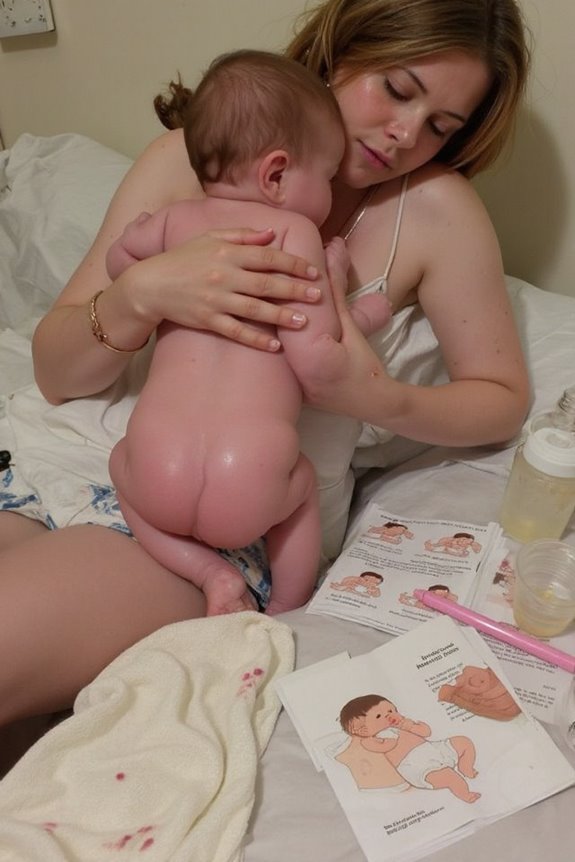
Even though burping seems straightforward, many parents face challenges when trying to get those tiny air bubbles out. When your baby resists burping, try rotating positions until you find what works best. Some babies prefer the shoulder hold while others respond better to sitting upright.
If you’re encountering burping challenges, remember these tips:
- Confirm your baby’s back and belly are straight during burping attempts
- Burp after every 2-3 ounces during bottle feeding or when switching breasts
- For non-responsive babies, wait a few minutes before trying again
- Use gentle but firm patting techniques on the back
- Don’t force continued burping if your baby doesn’t respond
Bottle-fed babies typically need more frequent burping since they tend to swallow more air. If your baby seems uncomfortable or fussy, try burping more often during feedings.
Recommended Products

Easy Deep Latch for Baby, Stress-Free Nursing for Mom:Momcozy nursing pillow provides great support for mom and baby during breastfeeding or bottle-feeding. It encourages better posture, takes pressure off your shoulders & neck,and makes breastfeeding easier and more comfortable. Baby feeds comfortably lying down, no fuss and no tears

2026 UPGRADED Cover: This baby tummy time prop's removable cover is made from durable, high-quality PU leather that is non-toxic, odorless, and safe for babies. Its waterproof surface makes cleanup a breeze - simply wipe away spit-up, drool, or spills with a damp cloth. No disassembly or machine washing needed, ensuring hassle-free maintenance and long-lasting performance

Gentle Baby Wedge Support for Everyday Care: The Klynic baby wedge support pillow provides gentle, adjustable support for newborns during supervised daily activities. Designed with a soft cushion and adjustable side supports, it offers everyday comfort for feeding, diaper changes, tummy time preparation, and other nursery routines.
Safety Tips for Successful Burping
While burping your baby might seem like a simple task, prioritizing safety during this routine can prevent common incidents and keep your little one comfortable. Many burping myths suggest that babies don’t need support during the process, but this isn’t true.
Always maintain these essential practices:
- Keep a secure grip on your baby, supporting both head and neck
- Use proper burping tools like absorbent burp cloths to catch spit-up
- Burp in stable locations, avoiding uneven surfaces
- Position your baby upright during and after feeding
- Apply only gentle pressure on your baby’s back
I recommend establishing a consistent routine in a calm environment. Remember to burp frequently during feeding—every 2-3 ounces for bottle-fed babies or when switching breasts while nursing.
Recommended Products

100% COTTON Soft and Comfortable:Made of pure natural muslin cotton, our burp cloths are soft, breathable, skin-friendly and non-irritating, perfect for use on the...
Frequently Asked Questions
Can Babies Sleep Safely Without Being Burped?
I’ve spent many late nights wondering this too! Yes, your little one can drift off safely without burping. There’s no evidence it affects safe sleep practices, and baby digestion typically handles any gas comfortably.
How Long Should I Try Burping Before Giving Up?
I typically try burping techniques for 5-10 minutes before pausing. If your baby seems comfortable without burping, that’s okay. You can always try again later if they show signs of discomfort.
Do Formula-Fed Babies Need More Frequent Burping Than Breastfed Babies?
Yes, I’ve found that formula-fed babies typically need more frequent burping than breastfed babies. When formula feeding, I recommend burping techniques like pausing every 2-3 ounces, whereas breastfed babies often self-regulate their gas better.
Can Burping Help Reduce Colic Symptoms?
I’m surprised to share that burping techniques actually doubled spit-up in one study! Regarding colic relief, research shows burping doesn’t greatly reduce colic symptoms, despite popular belief. You can skip burping without worsening your baby’s fussiness.
When Do Babies Typically Outgrow the Need for Burping?
Babies typically outgrow burping techniques between 4-6 months as their baby digestion matures. I’ve found most can handle gas on their own once they sit up independently, though some may need help until 9 months.