As an Amazon Associate, we earn from qualifying purchases. Some links on this site are affiliate links at no extra cost to you. Our recommendations are based on thorough research and editorial judgment.

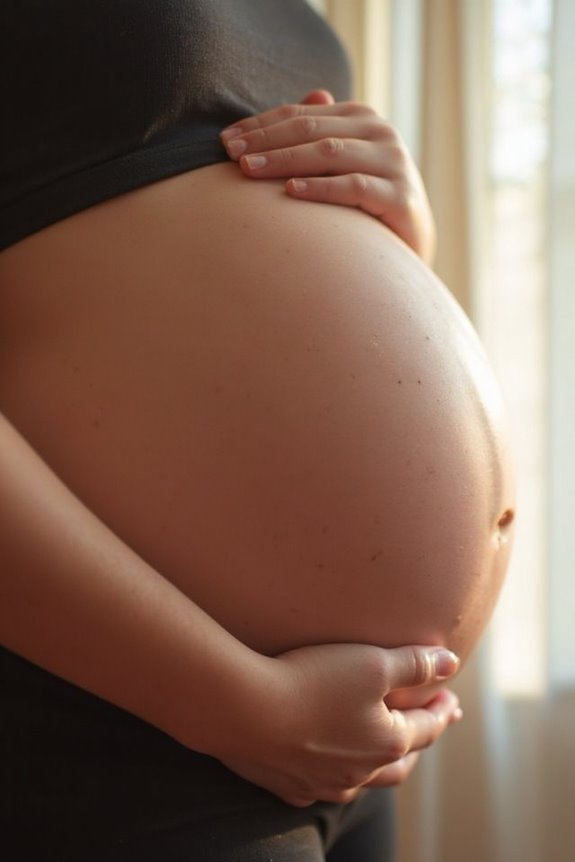
When Can You Feel Your Baby Move?

Most expectant mothers feel their baby’s first movements (“quickening”) between weeks 16-25 of pregnancy. First-time moms typically notice these subtle flutters around weeks 20-22, while women with previous pregnancies may feel them earlier, around week 16. Factors affecting perception include maternal age, body composition, placental position, and activity level. These early sensations often resemble gas bubbles or gentle popping. As pregnancy progresses, these subtle movements evolve into distinct kicks and rolls you’ll soon learn to recognize.
Key Takeaways
- Most first-time mothers feel baby movements (“quickening”) between weeks 20-22 of pregnancy.
- Women with previous pregnancies often detect movement earlier, around week 16.
- Initial sensations feel like fluttering, faint popping, or gentle swimming movements.
- An anterior placenta placement may delay feeling movements as it cushions the baby’s activity.
- By weeks 24-28, movements become regular with noticeable patterns and stronger kicks.
Recognizing Your Baby’s First Movements


When will you feel your baby move for the first time? Most expectant mothers experience “quickening” between weeks 16 and 25 of pregnancy. These first sensations are typically subtle and easy to miss.
What you might feel:
- Fluttering sensations (like butterflies in your stomach)
- Faint “popcorn popping” feelings
- Gentle “goldfish swimming” movements
Movement descriptions vary widely among women, and these early movements can be mistaken for:
- Gas bubbles
- Hunger pangs
- Digestive activity
To better detect these subtle movements:
- Sit or lie quietly
- Pay attention when your blood sugar levels change
- Notice more activity during evening hours
As your pregnancy progresses, these gentle flutters will develop into more distinct kicks and rolls that become easier to identify.
Recommended Products

Clear, non-staining formula: wipes away cleanly and will not stain clothing or linens when a colorless couplant is preferred.

🎶 Musical Magic: Lullaby delivers a curated selection of melodies and tunes, providing a harmonious environment for your baby's developing senses.

Clear, non-staining formula: wipes away cleanly and will not stain clothing or linens when a colorless couplant is preferred.
When to Expect Movement Based on Your Pregnancy History
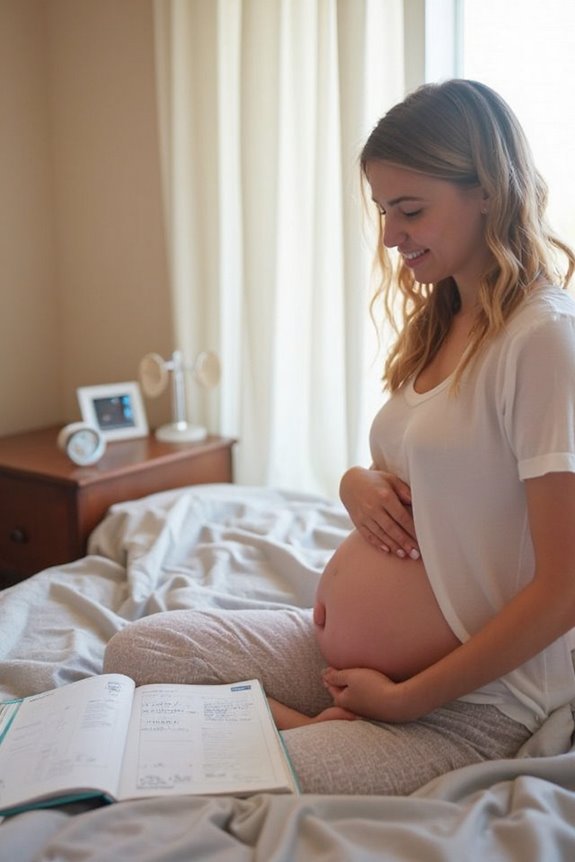
Depending on whether you’ve been pregnant before, you’ll likely notice your baby’s first movements at different stages.
Timeline Differences
- First-time mothers typically feel movement between weeks 20-22
- Women with previous pregnancies often detect movement earlier, around week 16
- First-time mothers typically feel movement between weeks 20-22
This variation is completely normal. Your body composition, awareness level, and the position of your baby all influence when you’ll first feel these subtle sensations.
The placement of your placenta can also affect movement perception. An anterior placenta (located on the front wall of your uterus) may delay feeling movements since it acts as a cushion between your baby and your abdominal wall.
Remember that each pregnancy is unique, even for the same woman. If you’re concerned about not feeling movement by week 22, contact your healthcare provider.
Recommended Products

Visible Height, Stronger Presence: A 4.7-inch stiletto heel with a 1.25-inch platform creates dramatic lift and a more elongated silhouette, helping dresses, jumpsuits, and formal looks feel instantly more polished

On-the-Go Accurate EKG: Capture a single lead medical-grade electrocardiogram in just 30 seconds with the pocket-sized KardiaMobile EKG Monitor. Download the free Kardia app and record an EKG on your smartphone or tablet anytime and anywhere.

Wusic is the #1 Wireless Bluetooth Belly Speaker for Pregnant Moms - Play Music to your baby, Talk to your baby, Even Grandma from across the country can tell your baby a story via your phone connected by Bluetooth to the Wusic Belly Speaker
Factors That Affect When You Feel Your Baby Kick

Several key factors influence the timing of your first perception of fetal movement, also known as “quickening.” Your body composition plays a significant role in how early you’ll feel those tiny flutters.
Key factors affecting movement perception:
- Maternal age – Older mothers may notice movements later
- Body habitus – Extra weight can delay feeling kicks
- Placental location – An anterior (front-wall) placenta cushions movements
- Activity level – Being busy may reduce your awareness of subtle movements
- Uterine tone – Higher muscle tension can mask baby’s movements
- Stress factors – Anxiety or distraction decreases perception
- Environmental noise – Loud surroundings make noticing movements harder
- Fetal health – Your baby’s well-being affects movement patterns and intensity
Recommended Products

SMART BABY BREATHING & SLEEP MONITOR: Track your baby’s abdominal movement, sleep position, and feeling temperature trends to stay informed day and night. Receive timely notifications through the app or audible alerts if your baby rolls over or shows signs of feeling warm.

Snap on design: The elastic strap of this fetal monitoring strap features a push-button, ergonomic design, easy to put on and take off, and more comfortable to use.

ULTIMATE PEACE OF MIND: Featuring patented Wakeup Technology to continually monitor abdominal movement and alert parents if no abdominal movement is detected, the Oma Sense smart baby monitor is a wearable baby monitor for infants that offers priceless peace of mind. Because we know being a parent can be hard enough.
How Baby Movements Change Throughout Pregnancy

Your baby’s movements evolve dramatically throughout pregnancy, following a predictable pattern that reflects their growth and neurological development. Though movement begins around week 12, you likely won’t feel it yet.
The fetal development stages correlate directly with changing movement sensations:
- Weeks 16-25: First “quickening” sensations appear as subtle flutters low in your abdomen
- Weeks 20-24: Movements become more consistent with noticeable kicks and jabs
- Weeks 24-28: Regular patterns emerge; you’ll recognize your baby’s active periods
- Weeks 28-40: As space diminishes, kicks transform into rolls and twitches
Throughout the third trimester, continue monitoring these movements. While the type of movement changes due to decreasing space, you should still feel consistent activity until delivery begins.
Tracking and Monitoring Your Baby’s Activity Patterns

Monitoring your baby’s movements becomes an essential part of prenatal care once you reach the third trimester. Regular tracking helps establish your baby’s normal activity patterns and can alert you to potential concerns.
Tracking Tools:
- Mobile apps like Count the Kicksoffer digital tracking with reminders
- Manual methods using paper logs or timers work effectively too
- Choose what fits your lifestyle best
Movement Frequency Guidelines:
- Track daily at a consistent time
- Monitor during periods when your baby is typically active
- Note how long it takes to feel 10 movements
- Report any significant decrease in movement to your healthcare provider
This consistent monitoring has shown impressive results—Iowa saw a 32% reduction in stillbirths after implementing a movement tracking campaign.
Frequently Asked Questions
Can Certain Foods Stimulate Fetal Movement?
Yes, I’ve found that certain foods can stimulate fetal movement. When I consume sweet snacks with natural sugars, my baby often becomes more active. Spicy foods might also increase movement by affecting my blood sugar levels.
Do Babies Move During Maternal Sleep?
Yes, babies do move during maternal sleep! I’ve found that fetal activity continues throughout the night, though you’re less likely to notice it. Your baby maintains movement cycles even when you’re sleeping soundly.
Can Stress Affect My Baby’s Movement Patterns?
Yes, stress can definitely impact your baby’s movement patterns. When I’m stressed, my elevated cortisol levels may alter how frequently and intensely my baby moves. Managing my stress is important for healthy fetal development.
Are Twins’ Movements Felt Earlier or More Intensely?
Like butterflies doubling their dance, I’ve seen twin pregnancy movement differences vary among mothers. You might feel more activity overall, but twins aren’t necessarily felt earlier than singletons despite having two active babies.
Can Fetal Movement Indicate Baby’s Personality After Birth?
I’ve seen some research connecting fetal behavior with personality traits after birth. While your active baby might show similar temperament later, remember it’s just one factor in your child’s complex personality development.
References
https://www.webmd.com/baby/fetal-movement-feeling-baby-kick
https://www.ncbi.nlm.nih.gov/books/NBK470566/
https://utswmed.org/medblog/fetal-movements/
https://www.lancastergeneralhealth.org/health-hub-home/motherhood/your-pregnancy/how-to-count-kicks-during-your-pregnancy
https://www.healthline.com/health/pregnancy/when-to-worry-about-fetal-movement
https://americanpregnancy.org/healthy-pregnancy/pregnancy-health-wellness/first-fetal-movement/
https://www.whattoexpect.com/pregnancy/fetal-development/fetal-movement/
https://www.babycenter.com/pregnancy/your-baby/fetal-movement-feeling-your-baby-kick_2872
https://my.clevelandclinic.org/health/articles/7247-fetal-development-stages-of-growth
https://www.whattoexpect.com/pregnancy/fetal-development/changes-in-fetal-movement/