As an Amazon Associate, we earn from qualifying purchases. Some links on this site are affiliate links at no extra cost to you. Our recommendations are based on thorough research and editorial judgment.

When Do Babies Start Sitting Up?

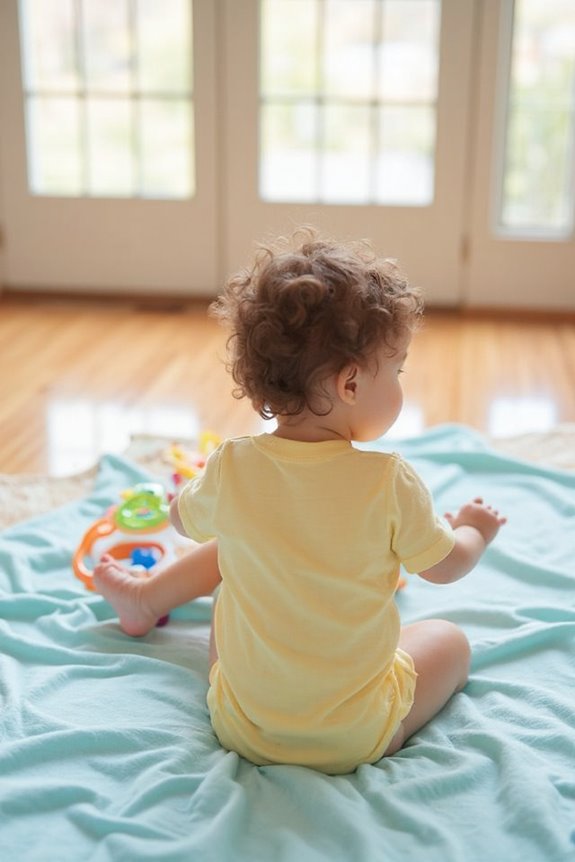
Most babies begin sitting with support between 3-5 months and achieve independent sitting around 6½-7½ months. The progression typically includes: supported sitting (3-5 months), prop sitting using arms (4-6 months), wobbly sitting (5-6 months), and finally independent sitting with toy play. This milestone requires developing core strength, balance coordination, and protective reactions. I’ll explain how you can support this essential development and recognize when your baby is ready for this exciting stage.
Key Takeaways
- Babies typically begin supported sitting between 3-5 months when held or propped with cushions.
- Independent sitting usually develops between 6-7 months as core strength and balance improve.
- Most babies master independent sitting without support by 7-8 months, allowing hands-free play with toys.
- Developmental readiness for sitting includes strong head control, ability to roll, and showing interest in upright positions.
- Babies transition from wobbly sitting with arm support around 5-6 months to stable sitting with protective reflexes by 8 months.
The Typical Timeline for Sitting Milestones
You may be interested
While every baby develops at their own pace, most infants follow a predictable progression when learning to sit up. The journey typically begins between 3-5 months with supported sitting, where I’ve observed babies can maintain position with assistance from hands or pillows.
By 4-6 months, many babies master prop sitting, using their arms as support – an early sitting technique that builds core strength. The wobbly phase follows around 5-6 months, with frequent toppling as baby balance develops.
Most babies can maintain a sitting position when placed by 6 months, though duration varies. Independent sitting with toy play emerges around 6½-7½ months.
The final milestone occurs between 7½-8½ months when babies learn to shift in and out of sitting position independently.
Physical Development Required for Sitting
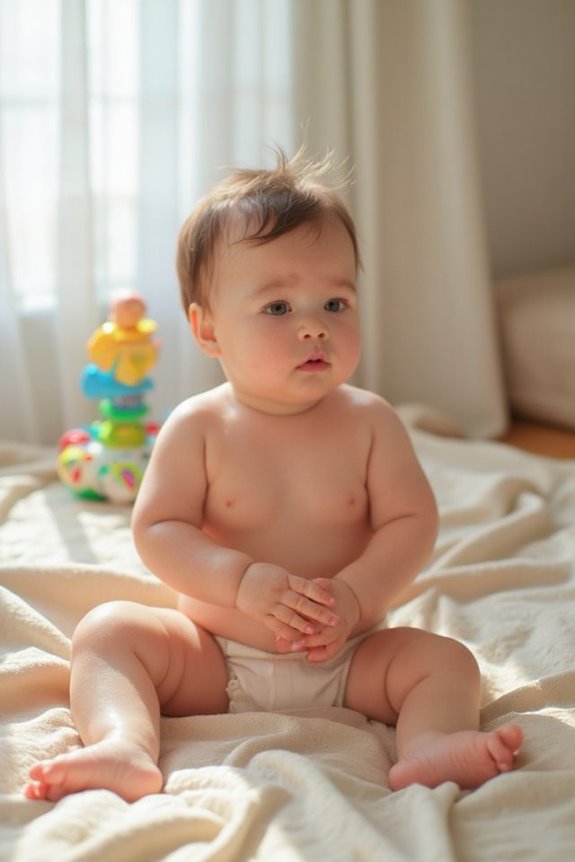
Sitting independently marks a major physical achievement in your baby’s first year. This milestone requires significant muscle strength development in your baby’s back, neck, abdomen, and legs.
To sit successfully, your baby needs:
- Core muscle strength to maintain an upright position
- Balance coordination between front and back muscles
- Protective reactions to prevent falls by using hands for support
Initially, your baby will need physical support while sitting. Around six months, they’ll have enough strength but may still wobble as balance develops. Floor play in various positions (back, tummy, sides) builds the necessary muscles for sitting.
Limit time in baby seats to encourage independence. As your baby’s coordination improves around eight months, they’ll master the ability to sit confidently without support.
Signs Your Baby Is Ready to Sit up
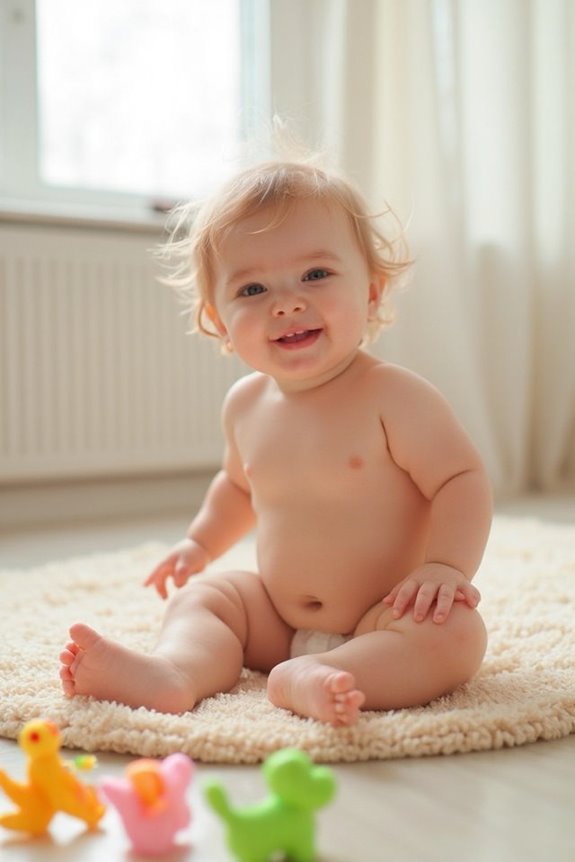
How can you tell when your baby’s ready to master the sitting milestone? Watch for clear sitting readiness cues that typically emerge between 4-9 months of age.
Key indicators include:
- Strong head and neck control
- Ability to roll over or push up from their tummy
- Using the “tripod position” (leaning forward on hands while sitting)
- Improved baby posture signs, including a straighter back when held upright
- Interest in viewing surroundings from an upright position
Your baby will likely progress from sitting with support (around 4-6 months) to brief independent sitting with occasional toppling (6-7 months) before achieving stable sitting (7-9 months). This development sequence depends on muscle strength in their back, neck, and core, plus their balance coordination.
Recommended Products
EXPERT CERTIFIED: Baby sitting support developed with a leading pediatric physical therapist and verified by the Baby Safety Alliance

ERGONOMIC DESIGN: Our baby feeding pillow for twins boasts a secure wrap-around design that envelops you & your babies in comfort. Its supportive backrest & adjustable silent-release straps are crafted to secure it to your body, promoting the ideal position for a secure latch & ensuring comfort for you & your twins during feeding sessions.

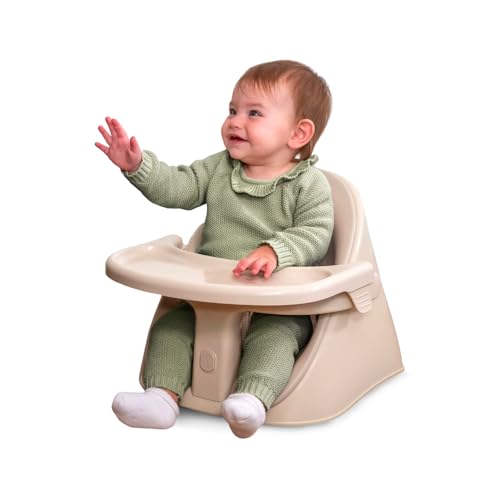
COMFORT SUPPORT: The seat features a contoured shape and high back, providing full support for babies' hips and backs in meals and play. Fits infants from 6 months until they can sit upright unassisted (up to 33 lb)
How to Support Your Baby’s First Attempts at Sitting
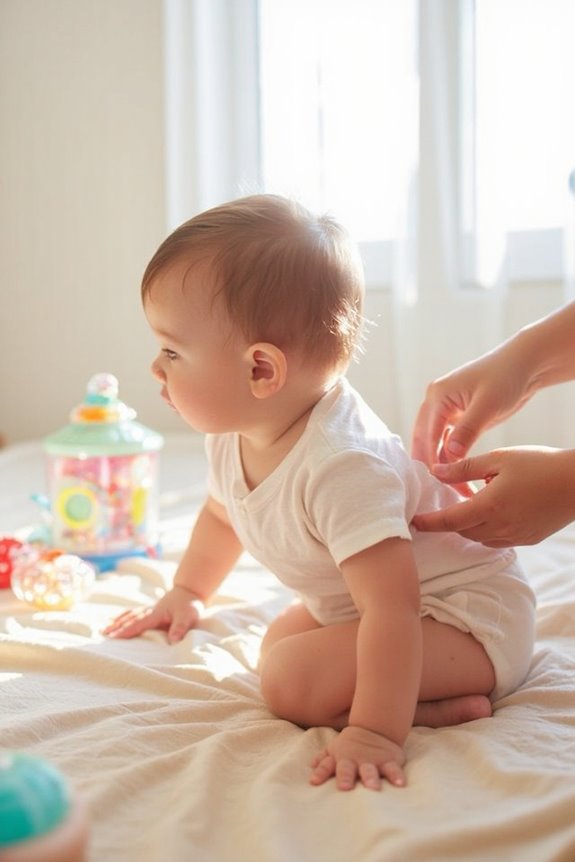
Once your baby shows signs of readiness, you’ll want to provide the right support for their sitting journey. Building core strength through regular tummy time is essential before sitting independently becomes possible.
When starting assisted sitting:
- Position yourself behind your baby with your legs on either side to create a stable base
- Use pillows or nursing pillows for side support to prevent toppling
- Place toys between their legs to encourage reaching and balance
- Gradually reduce support as their strength increases
Safety is paramount:
- Always supervise sitting practice
- Make sure practice occurs on soft surfaces
- Be ready to catch them if they wobble too far
Consistency is key—regular practice sessions will help your baby develop the strength and confidence needed for independent sitting.
Recommended Products

POWER RECLINER & GLIDER: The Kiwi is a nursery essential! It swivels 270-degrees, glides back and forth, electronically reclines at the push of a button has a built-in USB charger, and arrives fully assembled, ready out of the box.

GREENGUARD GOLD CERTIFIED: This product has been tested for over 10,000 chemical emissions and VOCs. It contributes to cleaner indoor air to ensure the health and safety of your family and home.

MADE FROM REAL PARENTS FEEDBACK: Interviewed hundreds of parents to come up with the ultimate nursery glider for your growing family. Ergonomically designed with modern parents in mind with life-proof fabrics for the best (and messiest) shared moments and little or no assembly.
Best Exercises to Strengthen Sitting Muscles
Developing your baby’s core muscles plays an essential role in their journey toward independent sitting. I recommend starting with these core stability exercises:
- Tummy time: Place baby on their stomach to strengthen neck and back muscles
- Touching toes: Guide baby’s hands to their feet to engage core muscles
- Toy-assisted rolls: Position toys just out of reach to encourage rolling
For balance improvement activities, try:
- Dynamic sitting on a ball: Gently tilt baby while supporting their trunk
- Bench sitting: Support their trunk while creating gentle movements
- Weight shifting: Help baby move side to side while sitting
Remember to avoid pulling baby up by their arms, as this can hinder proper development. Instead, provide gentle support that gradually decreases as your baby’s strength improves.
Recommended Products
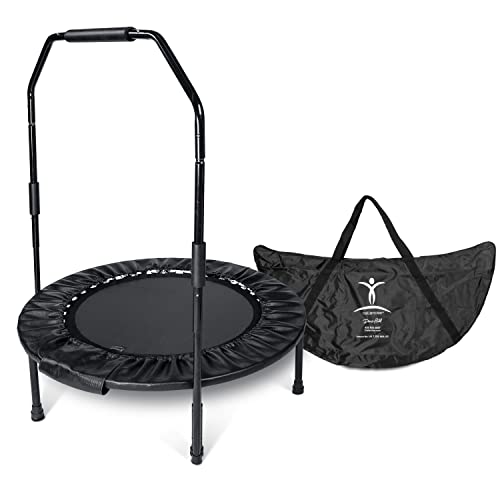
All Steel Construction with Electro-plated finish.

Foam Climber: Toddlers will gain confidence as they climb, crawl, and slide on this beginner 360° structure; this all-in-one climber is a great way to introduce soft play in a playroom or classroom

Foam Climber: Crawling and playing on a soft play structure can provide toddlers with physical, cognitive, and social benefits; this all-in-one climber is great for a playroom, nursery, or classroom
Common Challenges During the Sitting Stage
Many parents face unexpected hurdles as their baby works toward sitting independently. I’ve found that several factors can impact this milestone:
- Mobility challenges: Tight muscles may hinder rolling, which connects directly to sitting abilities. Babies need freedom to develop twisting and scooting skills.
- Developmental delays: If your baby isn’t sitting independently by 9 months, professional assessment might be needed.
- Balance issues: Poor head control and core strength lead to wobbling and falls that can discourage practice.
- Environmental influences: Overusing baby seats (limit to under 30 minutes daily) restricts natural development opportunities.
- Parental involvement: Your awareness of developmental stages is essential for providing appropriate support and encouragement.
Creating a safe space with strategically placed toys can motivate your baby to strengthen sitting muscles through reaching and exploration.
Recommended Products
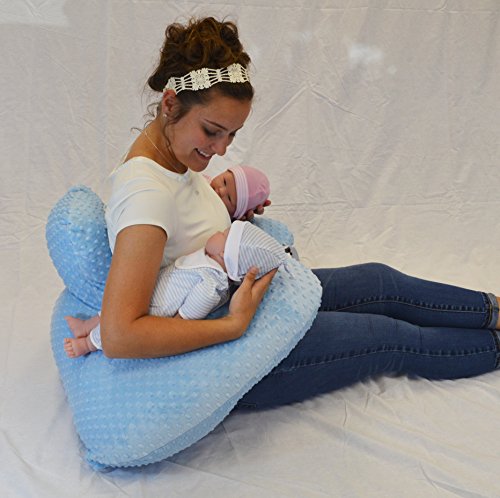
The Twin Z Pillow is the ultimate twin baby essential for breastfeeding, bottlefeeding, and tummy time.
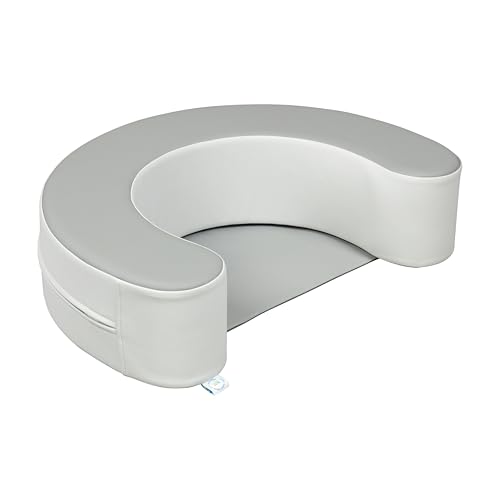
Sit-Up Chair: Provide support for babies learning to sit up nurturing face-to-face interaction and enhancing the bond with caregivers; doubles as a cozy seat for toddlers enjoying story time
Safe Equipment to Help Your Baby Practice Sitting
As your baby develops core strength, you’ll need reliable equipment to support their sitting practice safely. When selecting sitting aids, prioritize stability and proper back support.
Key equipment options include:
- Boppy Pillows – provide gentle support but use only with supervision
- Sit Me Up Chairs – offer vertical support for babies as young as 3 months
- Soft Play Mats – essential for cushioning potential falls
Always follow these baby safety guidelines:
- Check that sitting aids won’t tip over
- Choose non-toxic materials
- Guarantee adequate ventilation
- Never leave your baby unattended
- Follow manufacturer’s age/weight recommendations
I recommend consulting your pediatrician before introducing any sitting aid. Look for products with safety certifications and adjustable features that accommodate your growing baby.
Recommended Products

Unmatched Comfort & Adjustability: Elevate your sleeping experience with our head (up to 75°) and foot (up to 45°) lift mechanism, allowing for perfect positioning. The additional head (pillow) tilting feature provides personalized comfort. By adjusting your sleeping position to the ideal angle, you can benefit from clearer airways, decreased congestion, lessened snoring, and better spinal alignment to ease back pain.

Lightweight Carbon Fiber Frame: Known for its dynamic strength yet lightweight quality, carbon fiber gives the ultra-lightweight Nitro CF rolling walker with seat unmatched strength and elegance at just 14.5 lbs

Upright Support for Safer Walking – Designed to encourage natural posture, this upright rollator helps reduce strain on the back, shoulders, and wrists while supporting confident, eye-level mobility.
The Connection Between Sitting and Other Motor Skills
While supportive equipment helps your baby practice sitting, understanding how sitting connects to other motor skills will give you insight into your baby’s overall development. Sitting doesn’t happen in isolation – it’s part of an integrated progression of motor skills.
Motor skill integration follows a clear sequence:
- Before sitting: Head control (2-4 months) and rolling (4-5 months) develop core strength
- During sitting (6-7 months): Fine motor skills improve as babies use hands freely
- After sitting: Crawling (7-8 months) builds on balance gained from sitting
- Later development: Standing (9-11 months) requires strength developed through sitting
The sitting benefits extend beyond the milestone itself – each skill builds upon previous achievements. As your baby masters sitting, they’re simultaneously developing the foundation for crawling, standing, and eventually walking.
When to Consult Your Pediatrician About Sitting Progress
How do you know if your baby’s sitting development is on track? While babies develop at different rates, certain milestones serve as important indicators for consultation timing.
Contact your pediatrician if you notice:
- No head control by 4-6 months
- Can’t sit with support by 7 months
- Not sitting independently by 9 months
- Persistent head lag when pulled to sitting
- Noticeable muscle weakness or stiffness
When scheduling developmental assessments, prepare by:
- Recording achieved milestones
- Noting observations about muscle tone
- Tracking tummy time frequency
- Documenting any vision or hearing concerns
Your pediatrician will evaluate motor skills, screen for possible conditions, and recommend appropriate interventions if needed. They may suggest home exercises or refer you to specialists like pediatric neurologists or physical therapists for additional support.
Next Developmental Steps After Mastering Sitting
Once your baby has conquered the milestone of sitting independently, they’re ready to commence on an exciting journey of physical development. This achievement opens the door to several crawling milestones that typically follow:
- Tripod sitting (using hands for support)
- Rocking on hands and knees
- Scooting or army crawling
Your baby’s muscles are strengthening in preparation for standing readiness. You’ll notice:
- Increased arm and leg strength
- Improved balance when shifting between positions
- Growing curiosity to explore their environment
As they gain confidence, babies often pull themselves up using furniture for support. This period of development enhances problem-solving skills and spatial awareness. Each child progresses at their own pace, but most babies begin experimenting with these new movements within 1-3 months after mastering sitting.
Frequently Asked Questions
Can Premature Babies Follow the Same Sitting Timeline?
No, I don’t expect premature babies to follow typical sitting timelines. I look at their corrected developmental milestones instead, recognizing their adjusted growth patterns account for their early arrival when tracking their progress.
Does Baby Weight Affect When They’ll Start Sitting Up?
Like a tiny sapling growing at its own pace, I want to assure you that baby weight generally doesn’t determine when they’ll start sitting up. Baby growth varies, and developmental milestones happen when they’re ready.
Can Siblings Help Teach a Baby to Sit Up?
Yes, I’ve found that sibling dynamics can positively influence babies learning to sit up! Older siblings can demonstrate sitting, provide motivation through play, and utilize simple teaching techniques that make practicing more engaging and fun.
Is Sitting up in Water Different Than on Land?
Verily, I’ve found that sitting up in water is quite different than on land. I’ll tell you, water stability is enhanced by buoyancy effects, making it easier for babies to maintain position with less muscle strain.
How Does Teething Affect a Baby’s Sitting Progress?
Teething symptoms like pain and irritability can temporarily impact your baby’s sitting posture and progress. I’ve noticed babies sometimes lose interest in practicing sitting when they’re uncomfortable, focusing instead on soothing their sore gums.
References
- https://www.pampers.com/en-us/baby/development/article/when-do-babies-sit-up
- https://www.milestonesandmotherhood.com/blog/sitting
- https://www.summerhealth.com/blog/baby-developmental-milestones-when-do-babies-sit-up
- https://www.babycenter.com/baby/baby-development/baby-milestones-sitting_6505
- https://www.cdc.gov/ncbddd/actearly/milestones/index.html
- https://www.healthline.com/health/parenting/when-can-babies-sit-up
- https://www.babycentre.co.uk/a6505/developmental-milestones-sitting
- https://huckleberrycare.com/blog/babies-and-sitting-when-do-babies-sit-up