As an Amazon Associate, we earn from qualifying purchases. Some links on this site are affiliate links at no extra cost to you. Our recommendations are based on thorough research and editorial judgment.

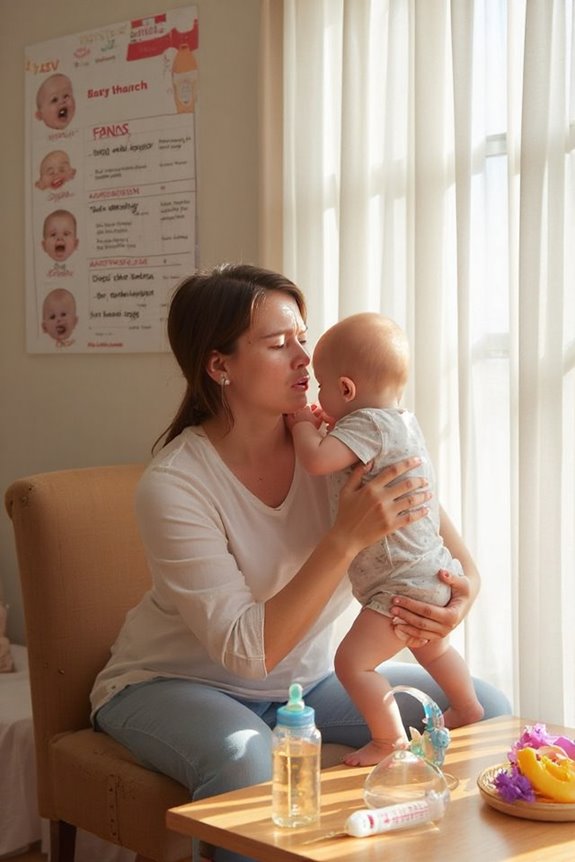
Understanding Why Babies Cry: Common Reasons and Solutions

Babies cry to communicate needs: hunger (the most common trigger), tiredness, discomfort, or overstimulation. Hunger cries are typically rhythmic and persistent, while tired cries intensify if sleep is delayed. Physical discomfort from wet diapers, temperature issues, or gas also triggers crying. For excessive crying (colic), try swaddling, white noise, or gentle motion. Respond promptly to strengthen your bond, but don’t hesitate to seek medical help for concerning symptoms. The sections below explore each trigger in greater detail.
Key Takeaways
- Babies often cry due to hunger, which can be recognized by rhythmic, constant sounds and early cues like rooting and lip-smacking.
- Sleep-related crying occurs during natural transitions between sleep cycles, with overtiredness causing stress hormones that make settling more difficult.
- Physical discomfort from wet diapers, temperature issues, or environmental factors like bright lights and loud noises frequently trigger crying.
- Colic affects approximately 25% of newborns with excessive crying despite normal development, typically resolving by 3-4 months of age.
- Parents should seek immediate medical attention if crying persists for more than two hours or is accompanied by fever, unusual symptoms, or repeated vomiting.
The Science Behind Infant Crying
You may be interested


When a baby cries, a complex series of neurobiological processes begins in both the infant and caregiver. This crying communication is actually a sophisticated survival mechanism that guarantees babies’ needs are met.
In the infant’s brain, crying activates the amygdala, triggering stress hormones like cortisol. Meanwhile, a mother’s brain responds uniquely to her baby’s cries by:
- Releasing oxytocin, preparing her body for nursing
- Activating motor and speech regions to prompt immediate response
- Processing signals through specific thalamic pathways
Various physiological triggers can cause crying, including:
- Temperature changes
- Pain or discomfort
- Hunger
- Fatigue
The peak crying period typically occurs around 6-8 weeks of age, gradually decreasing as babies develop self-soothing skills. This natural developmental pattern supports neurological growth while strengthening the caregiver-infant bond.
Hunger: The Most Common Trigger
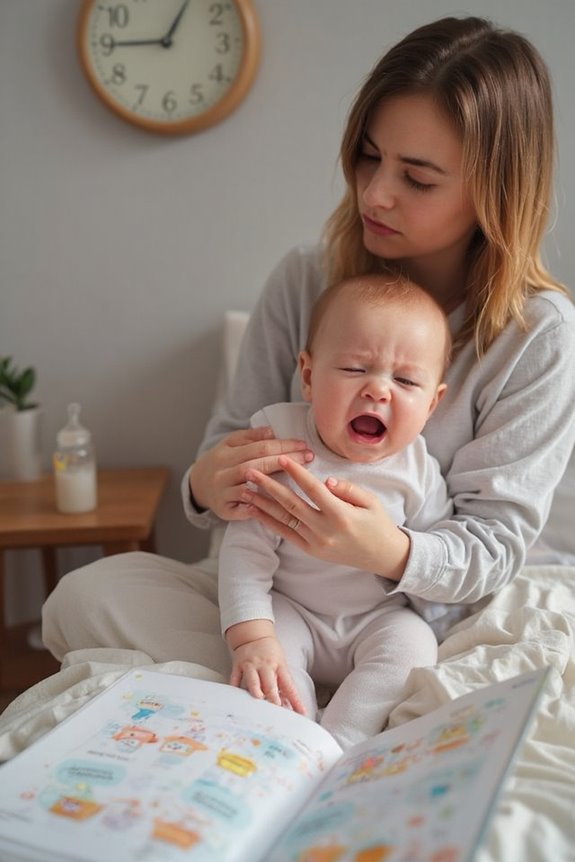
Among all the reasons babies cry, hunger stands as the most frequent and recognizable trigger for infant distress. Hunger cries have distinct characteristics—they’re rhythmic, constant, and usually shorter than pain cries.
Research shows that these cries activate specific brain regions in adults, particularly women, prompting immediate attention. This neurological response occurs regardless of parental status.
To minimize hunger-related crying:
- Watch for early hunger cues like rooting, lip-smacking, or hand-to-mouth movements
- Establish consistent feeding schedules while remaining flexible
- Respond promptly to prevent escalation
Babies typically cry 1.5-3 hours daily during their first year, with hunger being the primary cause. When you recognize and respond quickly to hunger signals, you not only reduce crying duration but also strengthen your bond with your baby.
Recommended Products

Philips Avent Premium Fast Bottle Warmer is a must-have among baby essentials: it warms milk in as little as 3 minutes¹ so you can easily and quickly feed your baby when hunger occurs

BABY BOTTLE WARMER AND STERILIZER. Warm glass or plastic baby bottles and food jars in as little as 80 seconds.

𝐌𝐨𝐦𝐜𝐨𝐳𝐲 𝐁𝐨𝐭𝐭𝐥𝐞 𝐖𝐚𝐫𝐦𝐞𝐫: Fast Warming/Food Heating/Steaming/Thaw/24H Keep Warm/Material Selection. Momcozy smart bottle warmer fits most bottle types and materials and heats baby bottles, and baby food safely and evenly. It is suitable for feeding babies at different ages, from breast milk.
Sleep-Related Crying Patterns

Unlike hunger cries that follow a predictable pattern, sleep-related crying often appears more complex and variable throughout your baby’s development. This crying frequently occurs during changes between sleep cycles, when babies shift from light to deep sleep stages.
Two key factors influence sleep-related crying:
- Sleep cycles: Babies may cry briefly during natural changes between sleep phases. This typically resolves without intervention as they learn to navigate these changes.
- Overtiredness: When babies become too tired, their bodies release stress hormones that make settling down difficult. This paradoxically causes more crying at bedtime.
Creating a consistent sleep environment helps minimize disruptions. If your baby cries during sleep, wait briefly before responding—they may be changing between sleep cycles and will settle independently.
Recommended Products
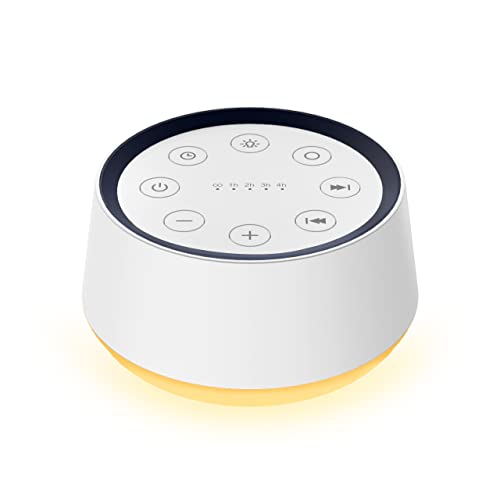
❤[30 Natural and Soothing Sounds] Our white noise machine provides 30 soothing sounds, including 3 Brown noise, 2 White noise(White noise, Pink noise), 2 fan noises( Loud and Soft Fan), 8 lullabies and 15 natural sounds( Rain, Sea waves, Brook, Bird, Train, etc.). This sound machine suitable for relieve stress, relax your mind and create a relaxing sleep environment.
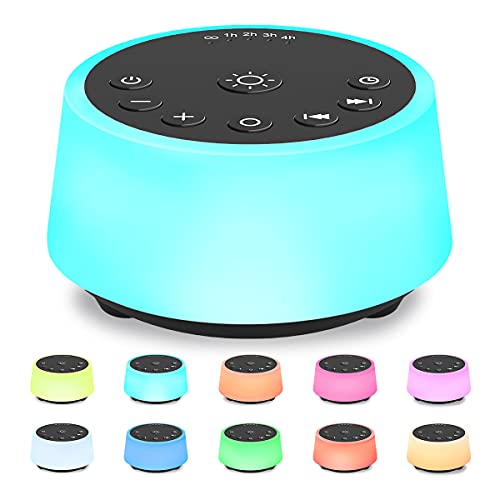
♪【25 High-fidelity and Soothing Sounds】 There are 4 types of white noise, 4 fan sounds, 3 sea wave sounds, 3rain sounds , train, star dust, meditation, and relaxing natural sounds and so on. The sound rhythm helps you fall asleep, and the white noise machine can effectively cover up destructive or startling sounds to protect your sleep quality.

𝗛𝗲𝗹𝗽 𝗞𝗶𝗱𝘀 𝗦𝗹𝗲𝗲𝗽 𝗕𝗲𝘁𝘁𝗲𝗿: Dreamegg sound machine baby offers 34 soothing sounds, including 11 nature sounds, 7 ambient sounds, 6 white noise sounds, and 10 melodies. The diverse range of sounds and immersive experience can quickly settle the children down, speeding up their transition to sleep. Say goodbye to the hassle of restless babies before bedtime or at nursery time!
Physical Discomfort and Environmental Factors

Babies can’t tell you exactly what’s wrong when they’re uncomfortable, so crying becomes their primary method of communication. Physical irritants often trigger crying episodes that can be resolved quickly once identified.
Common sources of discomfort include:
- Temperature issues (too hot/cold)
- Tight or irritating clothing
- Wet or soiled diapers
- Skin rashes or irritation
Environmental triggers also play a significant role in a baby’s distress:
- Loud or sudden noises
- Bright lights, especially in dark rooms
- Overstimulation from crowds or busy settings
- Unfamiliar surroundings
I’ve found that monitoring these factors can dramatically reduce crying. Pay special attention to clothing layers, room temperature, and potential sensory overload when your baby seems upset without an obvious cause.
Recommended Products

【±0.2°F High-Precision Sensor & Reliable Temperature Monitoring】Equipped with a high-performance sensor and compensation algorithm, this Momcozy baby thermometer delivers fast, accurate readings with ±0.2°F precision.By tracking temperature changes, it helps parents better understand their baby’s condition and make timely care decisions for infants and kids.
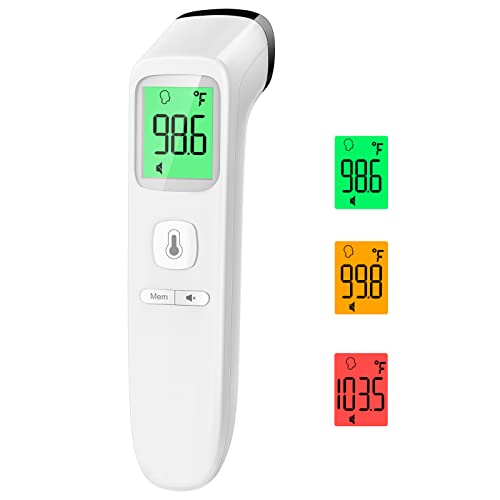
Reliable & Accurate: Goodbaby Forehead Thermometer has been clinically tested and found to be a fast and absolutely reliable gadget to use. It is ideal for forehead readings.

✅Fast & Accurate - Discover the precision of our forehead thermometer. Engineered to deliver highly accurate temperature measurements, our professional-grade device offers a user-friendly experience. With a non-contact design, it ensures hygienic usage and provides fast results within seconds. Suitable for all ages, it is a must-have for households and medical professionals alike. Rely on our brand's commitment to accuracy and obtain the peace of mind you deserve.
Colic: When Crying Becomes Excessive
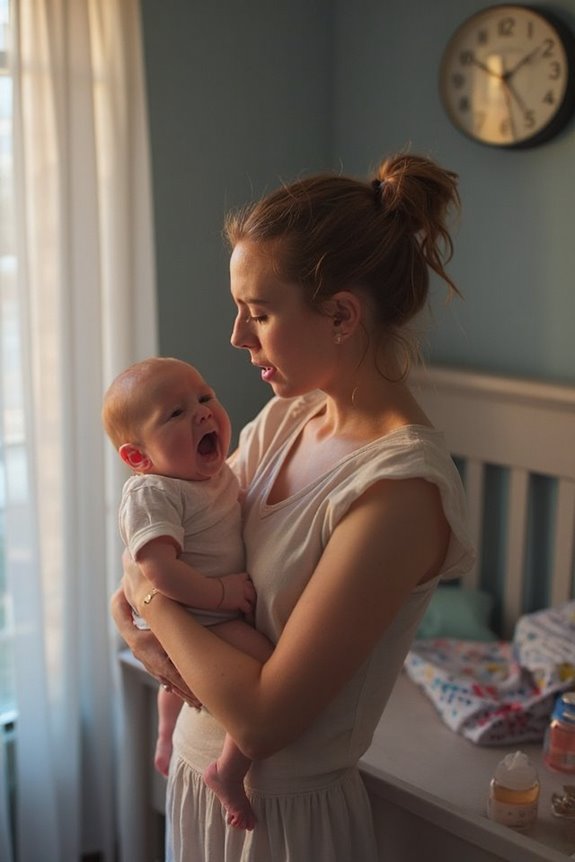
While everyday discomfort causes occasional crying, some infants experience something more intense and persistent. Colic affects nearly 25% of newborns, characterized by crying for more than 3 hours daily, at least 3 days weekly, for over 3 weeks.
Recognizing Colic Symptoms:
- Loud, nonstop crying (especially evenings)
- Normal weight gain despite fussiness
- Apparent gassiness and discomfort
Most cases resolve by 3-4 months, though approximately 5.8% of babies continue excessive crying beyond this timeframe. For colic management, I recommend:
- Swaddling and gentle rocking
- Soothing background sounds
- Positioning changes
- Consulting healthcare providers about potential dietary adjustments
Though extremely challenging for parents, remember that babies with colic typically develop normally despite their distress.
Recommended Products

WARMING COMPRESSION BELLY WRAP. The doctor-designed adjustable heated tummy wrap provides warmth and gentle compression to help soothe upset stomach.

1 Hot compresses can effectively relieve infant colic, flatulence, irritable bowel syndrome and constipation and is a scientifically proven physical therapy. Providing gentle warmth calms colic and soothes baby's irritability, making it a must-have for colicky babies.

Infant gas and colic relief - Heated flaxseed pack provide natural relief from abdominal pain, gas, colic and constipation.
Medical Causes That Require Attention
Beyond typical infant discomfort, certain medical conditions demand immediate evaluation when your baby cries persistently. Recognizing early symptoms of medical emergencies can save lives.
Heart disorders may cause labored breathing and irritability, while respiratory problems like bronchiolitis present with difficulty breathing and increased respiratory rate. Watch for:
- Gastrointestinal issues: GERD (frequent vomiting, back arching) or intestinal obstructions (high-pitched crying)
- Infections: UTIs, ear infections, or more serious conditions like meningitis (piercing cry, fever)
- Other concerns: Trauma (reluctance to be held), neurological disorders (unusual crying patterns), or skin conditions (visible discomfort)
If your baby’s crying is accompanied by fever, breathing difficulties, unusual color changes, or refusal to feed, seek medical attention immediately.
Effective Soothing Techniques for Parents
After understanding when crying might signal medical concerns, let’s focus on practical ways to calm your distressed infant. Research shows several effective calming methods:
- Swaddling creates a womb-like environment that reduces waking and crying
- Gentle rocking or swinging motions help babies fall asleep faster
- White noise or shushing sounds mimic womb conditions and shorten awake times
- Side or stomach position (only while supervised) can redirect attention
- Singing or humming combined with movement provides comfort
These soothing techniques form the foundation of the 4S/5S methods, which greatly decrease crying duration and night wakings. If your baby doesn’t respond, check for hunger, discomfort, or improper swaddling. For persistently inconsolable crying despite meeting all needs, consult your healthcare provider.
Recommended Products

Special Design: The waist of this swaddle is tightened to give the baby a slight sense of restraint, making the baby feel as safe as in the mother's womb. The loose bottom allows the baby's legs to maintain natural curvature, healthy development

【Hassle-Free Swaddle for New Parents】Designed by ingenuity to transition from swaddle to sack, the baby swaddle with wrap offers three convertible wearing choices. Adjust the swaddle for arms-in to reduce startle reflex, hands-up to face for self-soothing, or arms-out to transition to sleep sack, meeting the needs of babies at different stages of development 0-6, 6-9 months and up to 12 months

Ergonomic Support for Newborns' Growth - The Cute Castle Baby Swaddle Sack offers ergonomic hip support for infants during their first 3 months of growth. Suitable for babies aged 0-3 months, weighing 7-14 pounds, and measuring up to 26 inches in length.
The Emotional Impact of Crying on Caregivers
When babies cry inconsolably, caregivers don’t just face practical challenges—they experience significant emotional responses that can affect their mental health and relationship with their infant. Research shows that persistent crying can trigger:
- Increased stress levels and anxiety
- Potential depression symptoms
- Impaired bonding with the infant
- Reduced sensitivity to subtle infant cues
Different caregivers perceive the same cry differently, with high-pitched cries typically causing greater arousal and distress. Your emotional state directly influences how you interpret your baby’s cries.
Building caregiver resilience is essential for long-term well-being. This includes:
- Developing healthy coping mechanisms
- Maintaining strong support systems
- Understanding that your perceptions may change over time
- Recognizing that cultural factors influence how we respond to crying
Building a Support System During Difficult Periods
Despite your best efforts, you’ll likely encounter challenging periods with your crying infant that can’t be managed alone. Nearly half of new parents report lacking sufficient support during stressful times.
Your support networks can include:
- Family members who provide practical help with babysitting or household chores
- Friends and neighbors who offer emotional support
- Colleagues with flexible work arrangements
- Online communities where parents share experiences
Community resources are invaluable during difficult periods:
- Libraries and community centers host parent groups and activities
- Hospitals provide access to medical professionals
- Local organizations offer parenting classes and workshops
Remember that seeking help isn’t a sign of failure—it’s a proactive step toward creating a healthy environment for both you and your baby. Actively reaching out prevents isolation and builds your parenting confidence.
When to Consult a Healthcare Professional
Building a strong support network naturally leads to knowing when expert help is needed. Effective symptom recognition can make the difference between normal crying and signs of a serious condition.
Seek immediate medical attention if:
- Baby has a temperature of 100.4°F or higher
- Crying persists for more than two hours
- You notice bulging soft spots or repeated vomiting
Contact your doctor when:
- Excessive crying doesn’t resolve within a day
- Baby isn’t gaining weight
- Crying occurs with fever or other symptoms
Healthcare communication is essential when discussing your concerns. Be prepared to share your baby’s medical history, feeding patterns, and specific symptoms. Remember that antibiotics may be prescribed if your doctor suspects an infection after evaluation.
Frequently Asked Questions
Can Babies Cry During Sleep Without Waking Up?
Yes, I’ve seen babies experience sleep crying without fully waking. These sleep disturbances are often brief episodes where they may whimper or cry but remain asleep, typically due to reflexes or minor discomforts.
Do Formula-Fed Babies Cry Differently Than Breastfed Babies?
Ah, the eternal battle of bottles versus breasts! Yes, I’ve seen formula-fed babies cry differently, mainly due to formula composition affecting digestion and feeding patterns creating different schedules. Both types have their unique crying symphonies!
How Does Crying Affect a Baby’s Brain Development?
I’ve found that crying actually helps babies form neural connections related to emotional regulation. When they cry and receive consistent responses, their brains develop healthy stress response systems and emotional processing pathways.
Can Babies Develop Preferences for Specific Soothing Techniques?
You might be surprised to learn what I’ve discovered. Yes, I’ve found that babies absolutely develop preferences for specific soothing techniques. Your little one’s personality and experiences shape which baby preferences work best.
Do Cultural Differences Influence How Babies Cry?
Yes, I’ve found that while babies’ basic crying patterns are universal, cultural differences mainly influence how parents respond to cries. These cultural responses can shape how crying develops as babies adapt to caregiving styles.