As an Amazon Associate, we earn from qualifying purchases. Some links on this site are affiliate links at no extra cost to you. Our recommendations are based on thorough research and editorial judgment.


Baby Feeding Guidelines: A Comprehensive Overview

For ideal baby nutrition, I recommend exclusive breastfeeding for the first 6 months, providing complete nutrition and immune protection. Introduce solids between 4-6 months when your baby shows readiness signs like head control and interest in food. Start with single-ingredient foods, waiting 3-5 days between new items. Establish age-appropriate feeding schedules: frequent small feedings for newborns, gradually incorporating more solids as they grow. The following guidelines will help you navigate each feeding milestone safely.
Key Takeaways
- Breast milk provides complete nutrition for the first 6 months, protecting babies from illnesses and supporting optimal development.
- Introduce solid foods between 4-6 months when baby shows readiness signs like head control and interest in food.
- Start with single-ingredient foods like iron-fortified cereals and pureed vegetables, waiting 3-5 days between new introductions.
- Adjust feeding amounts as baby grows, transitioning from frequent small feedings to more solids by 9-12 months.
- Prevent choking by cooking foods until soft, removing seeds/pits, and cutting cylindrical foods into thin strips.
The Importance of Breastfeeding in Early Development
You may be interested

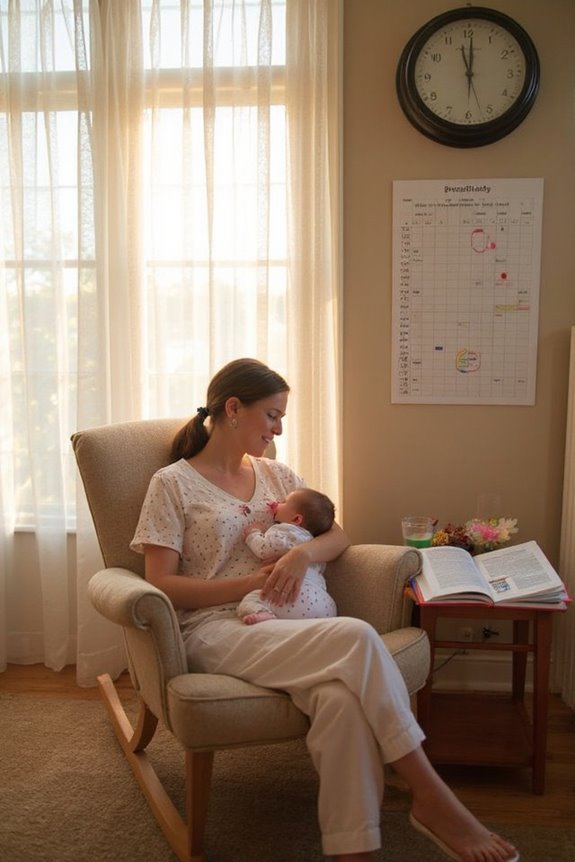
While many feeding options exist for infants today, breastfeeding remains the gold standard for ideal early development. Research consistently shows that breastfeeding benefits extend beyond basic nutrition:
- Provides all necessary nutrients for first 6 months of life
- Contains antibodies that protect against common illnesses
- Reduces infant risk of infections, including pneumonia and diarrhea
- Supports optimal cognitive development and intelligence
- Lowers future risk of obesity and diabetes
Breastfeeding also offers significant maternal health advantages. Mothers who breastfeed experience:
- Decreased risk of breast and ovarian cancers
- Faster recovery after childbirth
- Natural birth spacing effect when practiced exclusively
- Enhanced emotional bonding with their baby
I recommend following WHO guidelines: initiate breastfeeding within the first hour and continue exclusively for 6 months.
When and How to Begin Solid Foods
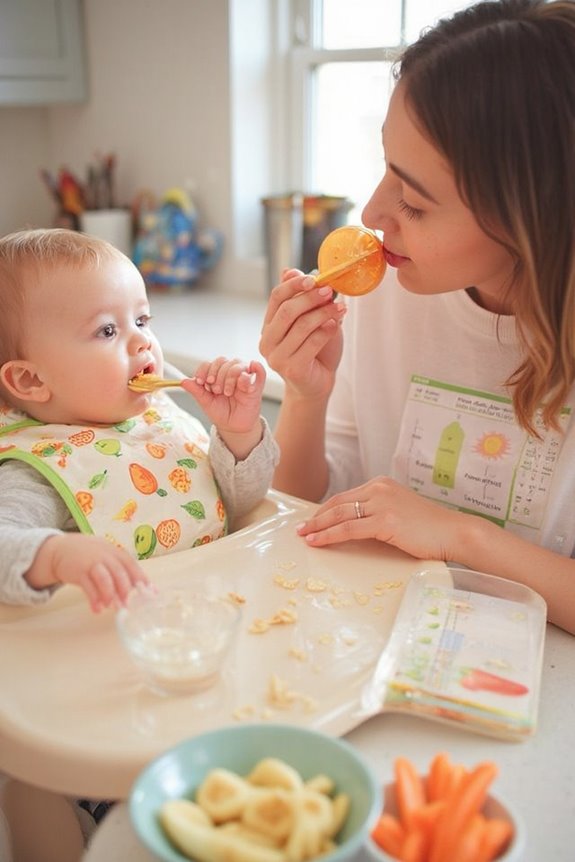
Breastfeeding provides ideal nutrition during an infant’s first months, but around the 4-6 month mark, your baby will need additional nutrients that milk alone can’t provide. Look for these readiness signs before starting:
- Good head/neck control
- Ability to sit with support
- Interest in watching others eat
- Doubling of birth weight
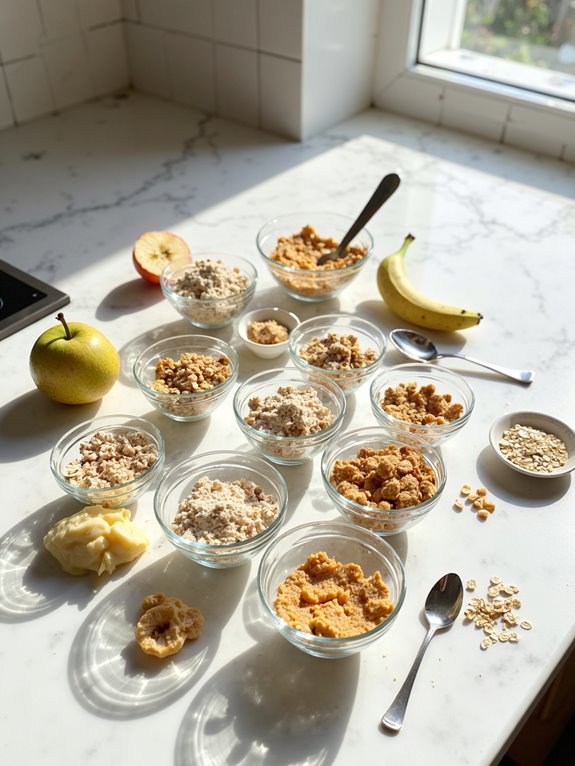
When selecting first food options, focus on single-ingredient, nutrient-rich choices. Iron-fortified cereals and pureed vegetables are excellent starters. Introduce new foods one at a time, waiting 3-5 days between each to monitor for reactions.
Regarding introducing allergens, current research suggests early introduction may actually help prevent allergies. However, I recommend consulting your pediatrician first, especially if your family has a history of food allergies.
Recommended Products
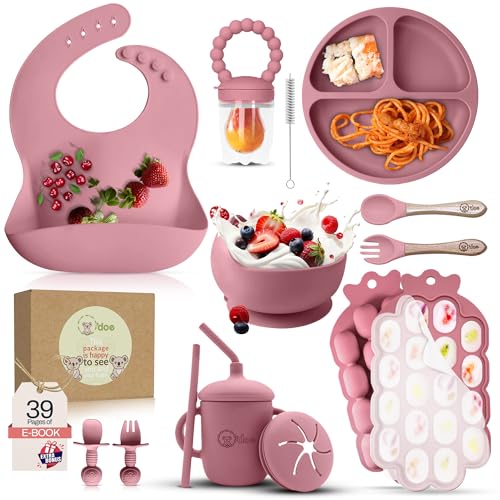
𝟏𝟓-𝐢𝐧-𝟏 𝐁𝐚𝐛𝐲 𝐖𝐞𝐚𝐧𝐢𝐧𝐠 𝐄𝐬𝐬𝐞𝐧𝐭𝐢𝐚𝐥𝐬 – 𝐅𝐮𝐥𝐥 𝐒𝐢𝐥𝐢𝐜𝐨𝐧𝐞 𝐅𝐞𝐞𝐝𝐢𝐧𝐠 𝐊𝐢𝐭: This complete baby silicone feeding set includes everything: suction plate, bowl, bib, baby spoon and bowl set, sippy cup, freezer tray, fruit feeder, and baby toothbrush. It’s the perfect feeding set for 6 month old, made for baby led weaning. Ideal for those looking for a premium baby solids starter kit, baby dish set, or baby dining set.

Gerber My 1st Fruits & Veggies: Start your babys lifelong love of fruits & veggies with these single fruit & veggie baby foods in trial size 2-ounce tubs that are perfect for first tastes & checking for food sensitivities without much waste.

Color: Multicolor
Creating Balanced Meals for Growing Babies
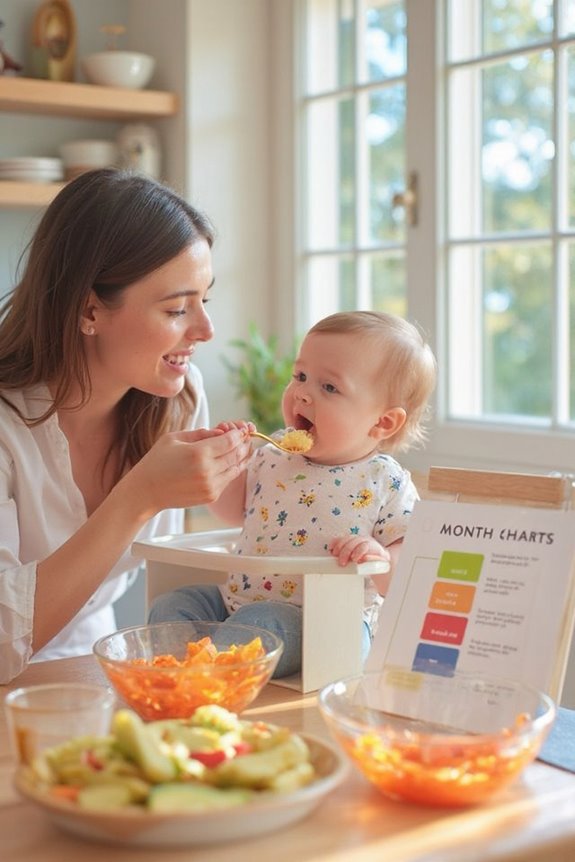
As your baby shifts to solid foods, creating nutritionally complete meals becomes crucial for their development. I recommend incorporating all major food groups in appropriate portions:
- Proteins: Introduce small amounts of ground meats or mashed beans around 6 months
- Vegetables: Offer soft, mashed vegetables to provide essential nutrients
- Whole grains: Include iron-fortified cereals as a foundation for meals
- Fruits: Serve soft fruits like peaches for important vitamins
Focus on meal variety by gradually introducing different foods and textures. Breakfast might include baby cereal with formula and fruit, while lunch and dinner should combine protein, vegetables, and grains in age-appropriate portions. Avoid fruit juices and sugary foods entirely.
Always monitor for allergic reactions when introducing new foods, especially common allergens.
Recommended Products
![VITEVER [16 Pack] 4 oz Small Containers with Lids, Reusable Plastic Jars for Snack and Puree, Salad Dressing Container to Go, Deli Containers, Freezer Baby Food Containers, Dishwasher Safe, BPA Free](https://m.media-amazon.com/images/I/41fnLIEevxL._SL500_.jpg)
BPA-FREE; DISHWASHER SAFE; MICROWAVE SAFE; SEALABLE; STACKABLE; REUSABLE.

2oz x 10 Baby Food Storage Cubes - Prepare, apportion and freeze exact food portions for your baby in advance. To use, simply pop the frozen food cube out from the KeaBabies Prep Silicone Baby Food Freezer Tray in seconds.

Premium Baby Food Storage Containers: The set has 8 food storage containers, 4 oz each. 8 colors, 1 of each color. There are many colors for easy differentiation of use and a large number to meet the daily needs of baby use. A pen can be used to write the name, date or other information on the lid to remind you what is inside the jar. Perfect for storing homemade baby food, solid baby food, fruit and vegetable purees, jams, etc
Age-Appropriate Feeding Schedules and Portions
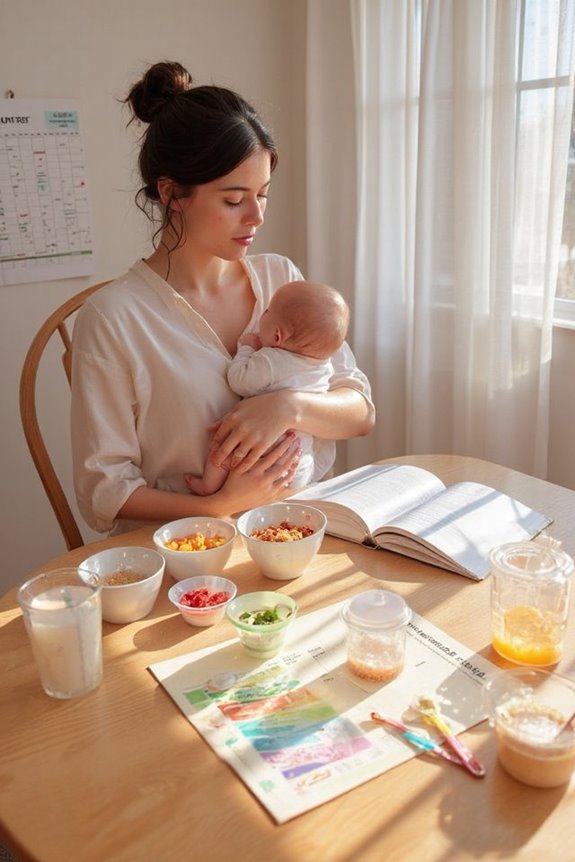
Establishing consistent feeding schedules helps your baby develop healthy eating patterns while ensuring they receive proper nutrition. As your little one grows, their feeding needs change dramatically.
Newborns need frequent small feedings (2-3 ounces every 2-3 hours), while 4-6 month olds typically take 4-6 ounces every 4-5 hours. Understanding appropriate portion sizes helps prevent common feeding challenges like overfeeding or underfeeding.
By 6-9 months, begin introducing solid foods while maintaining breast milk or formula as primary nutrition. At 9-12 months, approximately half of calories should come from solids, with no more than 32 ounces of formula daily.
After 12 months, your child will shift to fewer feedings as solid foods become their main nutritional source, supporting their development of independent feeding skills.
Recommended Products

EFFECTIVE COMBO SET: JJPRO baby daily log set includes one 14.5”x11” log tracker white board and two 7.25”x 5.5”magnetic white notepads. The combo set fits most refrigerators, no matter its mini or full size, single door or side-by-side. Flexible sizes provide more options to choose and convenience to use.

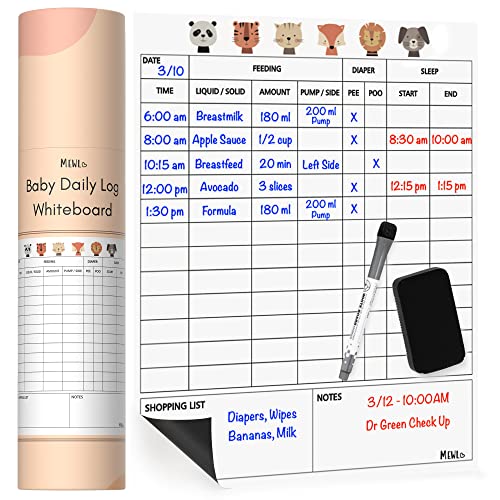
ALL IN ONE BABY TRACKER - Understand your baby’s routine and schedule by logging their feedings, diaper changes, and sleep times
Recognizing Hunger and Fullness Cues in Infants

Learning to read your baby’s subtle signals can transform feeding time from guesswork into a responsive relationship. I’ve found that early hunger cues are often silent but clear: hand-to-mouth movements, sucking motions, and increased alertness.
Watch for these signs before crying begins:
- Hand movements near mouth
- Active searching or rooting
- Lip smacking or opening/closing mouth
Fullness cues are equally important to recognize:
- Turning head away from breast/bottle
- Unlatching or releasing the nipple
- Relaxed body language
- Reduced interest in feeding
Responding promptly to hunger cues prevents distress, while honoring fullness cues supports healthy self-regulation. I’ve noticed babies show individual patterns—your consistent observation will help you understand your unique baby’s communication style.
Nutritional Requirements During the First Two Years
Now that you’ve become familiar with your baby’s hunger and fullness signals, you’ll need to understand what to feed them during their critical growth period. Proper toddler nutrition supports brain development and overall growth.
Caloric Needs:
- Infants: Breast milk or formula is sufficient until about 6 months
- 1-2 years: 1,000-1,400 calories daily
Nutrient Timing:
- Introduce solid foods around 6 months
- By 12 months: Establish 3 meals plus 2-3 snacks daily
- Include foods from all five food groups
After moving on from breast milk or formula, offer 16-24 ounces of whole milk daily. Growth typically slows during the second year, affecting appetite. I recommend including healthy fats like avocados and full-fat yogurt for brain development, while establishing regular feeding schedules.
Safe Food Handling and Preparation for Babies
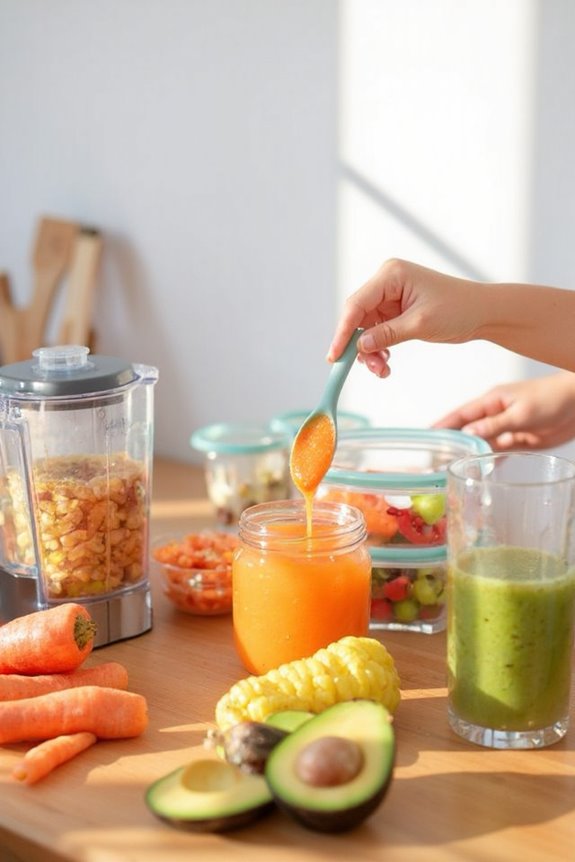
When your baby begins eating solid foods, proper food handling becomes just as important as what you’re feeding them. I’ll outline essential infant feeding safety practices to protect your little one.
Recommended Products

Effortless Meal Preparation: Streamline your baby's nutrition with our 3 Pack Silicone Freezer Tray. Batch prepare baby food, purees, breastmilk, and more for efficient and convenient meal planning.

Durable Baby Food Storage Containers: The set has 5 food storage containers, 4 oz each. 5 colors, 1 of each color. There are many colors, easy to distinguish and use, large quantities, and durability, which can meet the daily needs of your baby. A pen can be used to write the name, date or other information on the lid to remind you what is inside the jar. Perfect for storing homemade baby food, solid baby food, fruit and vegetable purees, jams, etc
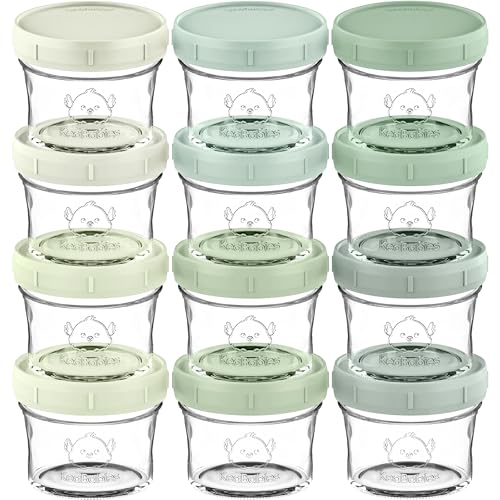
12-Pack, Durable 4oz Glass Jars with Lids – KeaBabies Baby Food Jars Glass check all the right boxes for a reliable baby snack containers. Ideal for busy parents as baby food containers for prepping and storing homemade meals smoothly.
Food Preparation Basics:
- Cook foods until soft enough to mash with a fork
- Remove seeds, pits, bones, and skin before cooking
- Use methods like steaming, boiling, or roasting without added fat
- Cut cylindrical foods into thin strips to prevent choking
Safe Food Storage:
- Store prepared baby food in airtight containers
- Avoid cross-contamination by never “double-dipping” spoons
- Check expiration dates regularly
- Sterilize all utensils before use
Always wash your hands thoroughly before handling baby’s food and supervise your child while eating to guarantee their safety.
Transitioning From Bottle to Cup: Best Practices
As your baby grows and develops new skills, the journey from bottle to cup represents a significant milestone in their feeding progression. I recommend introducing cups around 6 months when you begin solid foods, with complete change ideally occurring by 18 months.
Different cup types support this change:
- Sippy cups: Excellent starting point with spouted lids
- Straw cups: Good alternative that promotes different oral skills
- Open cups: Final stage for developing coordination
Effective change tips include:
- Start gradually during meals with small amounts
- Be consistent with cup offerings
- Expect and accept spills as part of learning
- Supervise all cup use for safety
Early change to cups promotes dental health, improves coordination, and develops proper oral motor skills—making this milestone worth the temporary mess.
Recommended Products

For a smooth transition to baby's first cup

Supports a smooth transition from breast or bottle to baby's first cup

BABY'S FIRST STRAW CUP. Dr. Brown's Baby's First Straw Cup simplifies the bottle-to-cup transition for you and baby, helping them learn new drinking skills.
Frequently Asked Questions
How Can I Manage Feeding During Teething Pain?
I offer cold teething remedies like frozen washcloths before nursing. I’ve found soft foods help when my baby’s too uncomfortable to nurse. I also try different positions to reduce gum pressure during feedings.
What Are Signs of Food Allergies in Babies?
Like canaries in a coal mine, your baby’s body signals food allergies through various symptoms. I’d watch for skin reactions like hives or rashes, vomiting, diarrhea, breathing difficulties, and facial swelling after feeding.
Should I Follow Baby-Led Weaning or Traditional Spoon-Feeding?
I’d suggest trying both baby-led weaning and spoon-feeding. You’ll see which works best for your child. Baby-led weaning promotes independence, while spoon-feeding benefits include better monitoring of nutrient intake. A combination often works well!
How Do I Handle Nighttime Feedings as Baby Grows?
I’ve found that babies need fewer nighttime feedings as they grow. Start by establishing a consistent nighttime routine and be mindful of sleep associations. Gradually reduce feedings based on your baby’s age and development.
Can Environmental Factors Affect My Baby’s Appetite?
Yes, your baby’s appetite can be affected by environmental factors. I’ve noticed that temperature fluctuations can change hunger patterns, while high noise levels may distract babies during feedings or make them too stimulated to eat.